
Cuffless blood pressure monitors are wearable devices that let you track your BP comfortably, discreetly, and conveniently. Using advanced sensors like photoplethysmography, they analyze blood flow and heart activity without bulky cuffs. These devices sync with smartphones to provide real-time data and long-term patterns, helping you manage hypertension more effectively. By making regular monitoring easy and unobtrusive, they encourage better health habits—keep exploring to discover how these innovative tools can fit into your daily routine.

Turn quiet afternoons into listening time
- Thousands of audiobooks, podcasts and originals
- Listen on your phone, tablet or Echo — also offline
- Cancel anytime
Key Takeaways
- Cuffless wearable BP monitors use sensors like photoplethysmography and ECG for comfortable, non-intrusive blood pressure tracking.
- They enable continuous or on-demand readings, providing real-time health insights without bulky cuffs.
- These devices sync with apps for detailed data analysis and sharing with healthcare providers.
- Their sleek design promotes regular use, improving hypertension management and patient compliance.
- Wearable cuffless monitors help detect trends early, supporting better blood pressure control and reducing health risks.
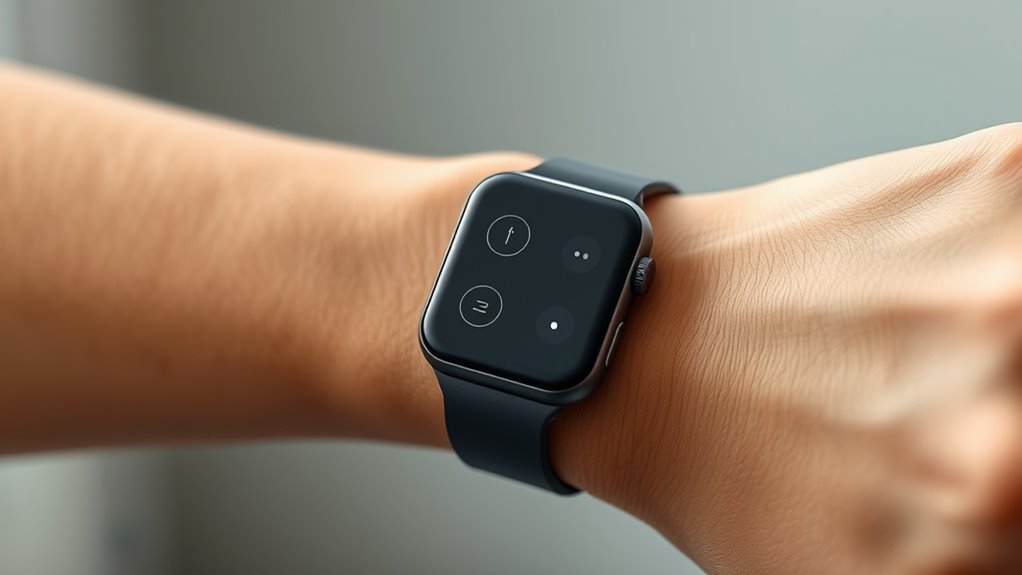
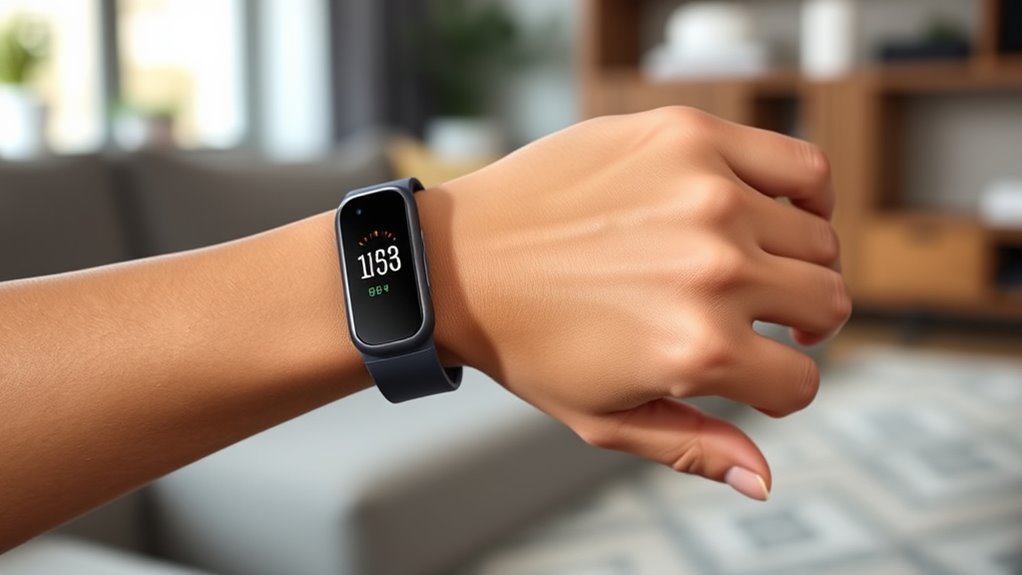
Cuffless blood pressure monitors are revolutionizing how you track your health by offering a more comfortable and convenient alternative to traditional cuff-based devices. With these innovative tools, you can monitor your blood pressure anytime, anywhere, without the hassle of bulky cuffs or awkward inflations. This advancement in wearable technology makes hypertension management easier and less intrusive, empowering you to stay on top of your health in real-time. Unlike traditional monitors, cuffless devices are designed to be sleek, lightweight, and user-friendly, seamlessly integrating into your daily routine. Whether you’re at work, exercising, or relaxing at home, you can effortlessly keep tabs on your blood pressure without interrupting your day.
The adoption of wearable technology in cuffless monitors means you don’t have to schedule frequent visits to the doctor just to check your blood pressure. Instead, these devices provide continuous or on-demand readings, giving you a thorough picture of your cardiovascular health. This constant monitoring helps you detect trends, identify potential issues early, and make informed decisions about your lifestyle and treatment plans. For people managing hypertension, this means better control and reduced risk of complications. The real-time data can be synced with smartphone apps or health platforms, allowing you to track your progress over days, weeks, or months. This access to detailed, chronological information makes it easier for you to share accurate health updates with your healthcare provider and adjust your medications or habits accordingly.
Many cuffless blood pressure monitors use innovative sensing technologies, such as photoplethysmography or electrocardiography, to measure blood pressure without compressing your arteries. These methods analyze blood flow and heart activity through sensors embedded in wearable devices like smartwatches, wristbands, or patches. Because they eliminate the discomfort associated with cuff inflation, you’re more likely to use them regularly. Plus, their discreet design means you can wear them throughout the day without drawing attention, encouraging consistent use—an essential factor in effective hypertension management.
cuffless blood pressure monitor smartwatch
As an affiliate, we earn on qualifying purchases.
As an affiliate, we earn on qualifying purchases.
Frequently Asked Questions
How Accurate Are Cuffless BP Monitors Compared to Traditional Cuffs?
Cuffless blood pressure monitors generally offer good convenience, but their accuracy comparison to traditional cuffs varies. You might find that some models provide reliable readings for everyday use, but they may not match the precision of clinical-grade cuffs. For consumer reliability, it’s best to use cuffless monitors as supplementary tools rather than replacements, especially if you need consistent, accurate measurements for health management. Always verify readings with traditional methods when necessary.
What Are the Main Limitations of Current Cuffless Blood Pressure Technology?
Like a fragile bridge, cuffless BP tech faces limitations. You might struggle with sensor calibration, which affects accuracy, and data privacy concerns, since sensitive info travels wirelessly. These devices often need regular updates and may not handle movement well, making consistent readings tricky. As you rely on them, remember that technological imperfections can impact trust; improvements are ongoing, but caution is wise when it comes to your health data.
Can Cuffless Monitors Detect Irregular Heart Rhythms?
Yes, cuffless monitors can detect irregular heart rhythms, including heartbeat irregularities and arrhythmias. They analyze pulse wave signals to identify abnormal patterns, assisting in arrhythmia detection. However, their accuracy varies, and they might not replace thorough medical assessments. Using these devices can help you monitor your heart health regularly, but always consult a healthcare professional for a confirmed diagnosis and appropriate treatment if irregularities are suspected.
How Often Should I Calibrate My Cuffless Blood Pressure Device?
You should calibrate your cuffless blood pressure device every two weeks to verify device consistency. For example, a user noticed discrepancies in readings after a month and recalibrated, which improved accuracy. Regular calibration helps maintain measurement precision, especially since device sensors can drift over time. Following a consistent calibration frequency ensures your readings stay reliable, giving you confidence in your blood pressure monitoring.
Are Cuffless Blood Pressure Monitors Suitable for All Age Groups?
You might wonder if cuffless blood pressure monitors suit all age groups. They generally offer good device usability for adults, but age differences can impact accuracy, especially for seniors or children. Younger users typically find them easy to operate, but older adults may need assistance due to varying skin properties or comfort levels. Always consult your healthcare provider to make sure the device fits your specific needs and age-related considerations.
As an affiliate, we earn on qualifying purchases.
Conclusion
As you explore cuffless blood pressure monitors, you’ll find they’re transforming health tracking. Did you know that nearly 30% of adults worldwide suffer from hypertension, often undiagnosed? Wearable BP devices make monitoring easier, helping you catch issues early and stay on top of your health. Embrace this innovative technology to take control of your wellbeing, knowing you’re empowered to make informed decisions and potentially prevent serious health problems before they develop.
smart wrist blood pressure monitor
As an affiliate, we earn on qualifying purchases.
As an affiliate, we earn on qualifying purchases.
photoplethysmography blood pressure monitor
As an affiliate, we earn on qualifying purchases.
As an affiliate, we earn on qualifying purchases.
Fall Picks
fall essentials
As an affiliate, we earn on qualifying purchases.