Hormonal acne happens when hormonal fluctuations increase oil production, clogging your pores and causing breakouts. Factors like stress, diet, and natural hormonal cycles can trigger these flare-ups. To manage it, focus on a gentle skincare routine, reduce high-sugar and dairy foods, and adopt stress-relief practices. Consistency is key, and understanding your body’s patterns helps you control breakouts better. If you want to discover more effective strategies tailored to your needs, there’s plenty to explore ahead.
Key Takeaways
- Hormonal fluctuations, especially increased androgens, stimulate oil production and clog pores, leading to breakouts.
- Diets high in sugar and dairy raise insulin levels, promoting hormone imbalance and acne development.
- Gentle, targeted skincare with ingredients like salicylic acid and retinoids helps control oil and prevent clogged pores.
- Stress elevates cortisol, worsening hormonal imbalance and acne; stress management techniques can improve skin health.
- Consistent lifestyle changes, including diet, skincare, and stress reduction, are essential for managing hormonal acne effectively.

Have you ever wondered why your breakouts seem to flare up at certain times of the month? It’s frustrating, and understanding the underlying causes can help you take control. Hormonal fluctuations are a major factor behind these cyclical breakouts, especially in women. Your hormones, particularly androgens like testosterone, influence oil production in your skin. When these hormones spike, your skin produces more oil, which clogs pores and leads to acne. Recognizing this pattern can help you anticipate and manage flare-ups better.
Hormonal fluctuations, especially androgens, cause cyclical breakouts by increasing oil production.
Your diet impacts hormonal acne more than you might realize. Consuming high-sugar foods, dairy, and processed snacks can lead to increased insulin levels. Elevated insulin promotes the production of androgens, which, in turn, boost oil production and skin cell turnover. This creates an environment ripe for breakouts. To minimize these effects, consider reducing your intake of refined carbs and dairy, and opt for a balanced diet rich in fruits, vegetables, lean proteins, and healthy fats. Incorporating omega-3 fatty acids, for example, can help reduce inflammation and support your skin’s health. Staying hydrated is equally important, as water helps flush out toxins and keeps your skin functioning at its most essential.
Your skincare routines also play a crucial role in managing hormonal acne. Using harsh cleansers or over-scrubbing can irritate your skin and worsen breakouts. Instead, stick to gentle, non-comedogenic products tailored for acne-prone skin. Ingredients like salicylic acid and benzoyl peroxide can help keep your pores clear and reduce inflammation. Incorporating retinoids into your routine encourages cell turnover, preventing clogged pores. Remember, consistency is key—adopting a daily routine that targets excess oil and prevents bacteria buildup can make a significant difference. Additionally, advancements in AI-powered skincare tools are emerging to analyze skin conditions and recommend personalized treatments.
Stress management is another vital aspect because stress hormones like cortisol can exacerbate hormonal imbalances, leading to more breakouts. Practice relaxation techniques such as meditation, yoga, or deep breathing exercises to keep cortisol levels in check. Regular exercise can also improve hormone regulation and boost your overall skin health.
Ultimately, understanding how diet impact and skincare routines influence hormonal acne gives you a powerful advantage. By adjusting what you eat, choosing the right skincare products, and managing stress, you can reduce the frequency and severity of breakouts. Keep in mind that hormonal fluctuations are natural, but with a consistent approach, you can minimize their impact on your skin. Patience and persistence are essential—clearer, healthier skin is achievable when you take proactive steps tailored to your unique hormonal cycle.
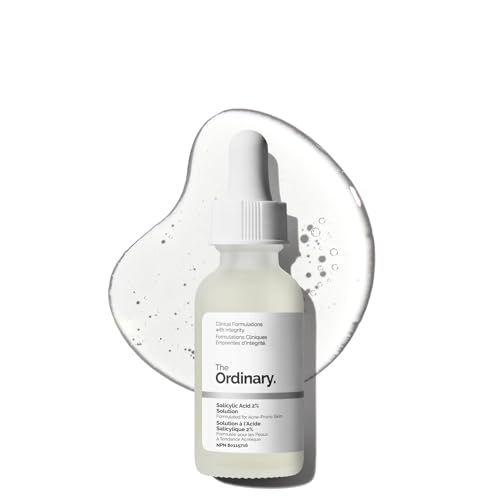
The Ordinary Salicylic Acid 2% Solution, Acne-Fighting Serum for Blemish-Prone Skin, 1 Fl Oz
TARGETS ACNE & CONGESTION: Salicylic Acid 2% Solution treats acne by exfoliating the skin surface and penetrating pores…
As an affiliate, we earn on qualifying purchases.
As an affiliate, we earn on qualifying purchases.
Frequently Asked Questions
Can Hormonal Acne Appear in Men and Women Equally?
No, hormonal acne doesn’t affect men and women equally. You’ll notice gender differences due to hormonal patterns; women often experience more breakouts during hormonal fluctuations like menstruation or pregnancy. Men tend to develop acne from testosterone-driven oil production, but they usually have fewer flare-ups overall. These hormonal differences influence when and how acne appears, making it essential to tailor treatment strategies based on your gender and hormonal patterns.
Are There Specific Foods That Can Worsen Hormonal Acne?
You might not realize it, but some foods can turn your hormonal acne into a raging wildfire! Diet triggers like high sugar intake and processed foods can spike your hormones and make breakouts worse. Cutting back on sugary treats and refined carbs might feel tough, but it could be the secret weapon you need to tame those stubborn pimples. Remember, what you eat can either fuel or fight your skin battles!
How Long Does Hormonal Acne Typically Take to Clear?
Hormonal acne usually takes about 4 to 6 weeks to clear up, but it varies based on age-related factors and your skincare routine. Younger individuals might see quicker results, while adults may need more time. Consistently following a gentle skincare routine, avoiding irritants, and managing hormonal fluctuations can speed up healing. Patience is key; sticking with treatments and routines helps clear your skin over time.
Do Hormonal Fluctuations Cause Acne Only on the Face?
Your hormonal fluctuations don’t just cause acne on your face—they can spark outbreaks on your chest, back, shoulders, and even your upper arms, making it seem like your entire body is fighting a breakout invasion. Seasonal variations can amplify these effects, with breakouts worsening in summer or winter. So, hormonal acne isn’t limited to your face; it’s a full-body phenomenon, demanding attention beyond just your facial skincare routine.
Can Hormonal Acne Resolve Without Medication?
Yes, hormonal acne can resolve without medication by adopting natural remedies and lifestyle changes. You can try managing stress, eating a balanced diet, and maintaining a consistent skincare routine. Incorporating ingredients like tea tree oil or witch hazel may help reduce inflammation. Regular exercise and adequate sleep also balance hormones naturally. While it might take time, these approaches can improve your skin’s condition without relying on medication.

La Roche-Posay Effaclar Adapalene Gel 0.1% Acne Treatment, Retinoid Cream, Acne Medication Gel for Blackheads & Whiteheads, Oil Free, Helps Clear and Prevent Blemishes & Clogged Pores
This once daily acne treatment for face with adapalene gel 0.1% helps clear and prevent blackheads, whiteheads, acne…
As an affiliate, we earn on qualifying purchases.
As an affiliate, we earn on qualifying purchases.
Conclusion
Don’t let hormonal havoc hijack your confidence. With consistent care, clever countermeasures, and a commitment to clarity, you can conquer hormonal acne and reclaim your skin’s glow. Remember, patience and persistence are your powerful partners on this path. Stay proactive, stay positive, and prioritize your peace. By understanding causes and employing targeted treatments, you’ll soon see smoother, healthier skin shining through. Take charge now—your clear, confident complexion is within your reach!

Cetaphil Face Moisturizer, Gentle Clear Mattifying Acne Moisturizer With 0.5% Salicylic Acid, Hydrates and Treats Sensitive Acne Prone Skin, Skin Care for Sensitive Skin, 3oz
CETAPHIL MATTIFYING ACNE MOISTURIZER: Lightweight, fast absorbing face lotion hydrates for 48 hours, while treating and preventing breakouts…
As an affiliate, we earn on qualifying purchases.
As an affiliate, we earn on qualifying purchases.

Neutrogena Rapid Clear Stubborn Acne Spot Treatment Gel, Maximum Strength 10% Benzoyl Per-oxide Treatment Medication for Acne Prone Skin, Pimple Cream Reduces Size & Redness, 1 oz
Maximum strength: Contains 10% benzoyl peroxide for powerful acne treatment; rapidly targets stubborn pimples and breakouts to help…
As an affiliate, we earn on qualifying purchases.
As an affiliate, we earn on qualifying purchases.