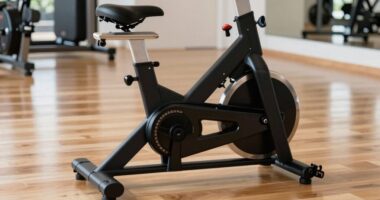

Taking rest days is just as vital as your workouts because they allow your body to repair muscles, prevent injuries, and improve overall performance. During rest, your muscles recover, your nervous system resets, and hormones balance out, helping you stay healthier and stronger. Skipping rest can lead to fatigue and overtraining. If you want to discover how to make your recovery more effective, keep exploring the best strategies to support your progress.

Turn quiet afternoons into listening time
- Thousands of audiobooks, podcasts and originals
- Listen on your phone, tablet or Echo — also offline
- Cancel anytime
Key Takeaways
- Rest days allow muscles and tissues to repair, preventing injuries and overuse strains.
- Adequate recovery enhances performance, strength, and endurance for future workouts.
- Rest supports nervous system health, reducing mental fatigue and improving focus.
- Incorporating rest helps regulate hormones vital for muscle growth and overall recovery.
- Active rest and relaxation techniques accelerate healing and promote sustainable fitness progress.

Have you ever wondered why rest and recovery are just as important as your workouts? The truth is, without proper downtime, your body can’t fully repair itself or grow stronger. When you push yourself during exercise, tiny tears occur in your muscle fibers—a natural process known as muscle repair. During rest, your body works diligently to mend these tears, making your muscles more resilient and capable of handling increased intensity over time. Skipping rest days might seem like a way to accelerate progress, but it can actually backfire, leading to fatigue, burnout, and even injury. Rest is an essential component of any fitness routine because it allows your muscles, tendons, and ligaments to recover fully, reducing the risk of overuse injuries that can sideline you for weeks or months.
In addition to muscle repair, rest days play a critical role in injury prevention. When you continuously strain your body without giving it time to recover, you increase the likelihood of sprains, strains, and stress fractures. Overtraining can also weaken your immune system, leaving you more vulnerable to illness. Incorporating regular rest days helps your body stay balanced, ensuring that your tissues are properly repaired and strengthened before the next workout. Think of rest as a way to reset and prepare your body for the next challenge. It’s not about losing progress; it’s about maximizing your performance and longevity. When you rest, your nervous system also benefits, reducing mental fatigue and improving focus and motivation during your workouts.
Furthermore, rest days give you the chance to listen to your body. Sometimes, you might feel persistent soreness or fatigue, signaling that your muscles need extra time to recover. Ignoring these signs can lead to overtraining syndrome, which hampers progress and increases injury risk. Rest isn’t just passive; it’s an active part of your training plan. You can use this time to focus on gentle activities like stretching, foam rolling, or light walking, which promote blood flow and aid recovery. Proper rest and recovery also help regulate your hormone levels, including those involved in muscle growth and repair, such as testosterone and human growth hormone. When these hormones are balanced and functioning at their best, you’ll experience better results from your efforts.
Additionally, choosing the right essential oils like lavender or eucalyptus can enhance relaxation and recovery, supporting your body’s natural healing processes. When you prioritize rest and incorporate supportive practices, your workouts become more effective, your recovery quicker, and your overall progress more sustainable.
As an affiliate, we earn on qualifying purchases.
Frequently Asked Questions
How Do I Know if I Need More Rest Days?
If you’re wondering whether you need more rest days, pay attention to your body’s signals. Feelings like persistent fatigue, soreness, or lack of motivation suggest you may need extra recovery time. Make sure you’re following proper hydration strategies and nutrition timing to support your recovery. Incorporate rest days when these signs appear, and listen to your body to avoid overtraining and optimize your progress.
Can Over-Resting Hinder My Fitness Progress?
You might wonder if over-resting hinders your fitness progress, but the overtraining myths often lead you to skip necessary rest. Overdoing it with rest days can slow your gains, so balance is key. Focus on your rest day routines—stretch, hydrate, and recover actively. Proper rest helps your muscles rebuild and prevents injury, ensuring you’re ready for your next workout. Too much rest, however, can stall progress.
What Are Signs of Inadequate Recovery?
Think of your body as a finely tuned machine; signs of inadequate recovery show up as persistent muscle soreness and fatigue that won’t quit. You might notice mood swings or trouble sleeping, hinting at hormonal imbalance. If your performance stalls or you feel constantly drained, it’s a clear sign you’re pushing too hard without enough rest. Prioritize rest to keep your engine running smoothly and avoid burnout.
How Does Sleep Quality Affect Recovery?
You might notice that poor sleep quality hampers your recovery because disrupted sleep cycles prevent your body from releasing essential recovery hormones. When sleep isn’t restful, your muscles don’t repair properly, and fatigue builds up. To optimize recovery, aim for consistent, high-quality sleep, allowing your body to complete full sleep cycles. This way, your recovery hormones work efficiently, helping you bounce back faster and perform better in your workouts.
Are Active Recovery Days as Beneficial as Full Rest Days?
Imagine your muscles as a garden needing gentle watering. Active recovery days, with active stretching and proper nutritional timing, nurture your muscles without overwhelming them. They promote circulation and flexibility, helping you stay limber. Full rest days give your body complete peace, allowing deeper repair. Both are beneficial; active recovery keeps you moving smoothly, while full rest ensures thorough healing. Balance them to keep your fitness flourishing.
As an affiliate, we earn on qualifying purchases.
Conclusion
Remember, rest days are just as essential as your workouts. They help your muscles repair and prevent injuries, ensuring you stay strong and motivated. Did you know that over 70% of athletes experience improved performance after incorporating regular rest? So, don’t skip your rest days—they’re the secret to lasting progress. Embrace recovery, listen to your body, and watch your fitness journey thrive. Rest isn’t a setback; it’s your ultimate boost.
As an affiliate, we earn on qualifying purchases.
nervous system support supplements
As an affiliate, we earn on qualifying purchases.
As an affiliate, we earn on qualifying purchases.
Fall Picks
fall essentials
As an affiliate, we earn on qualifying purchases.