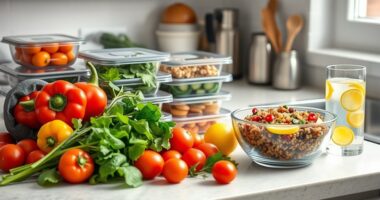
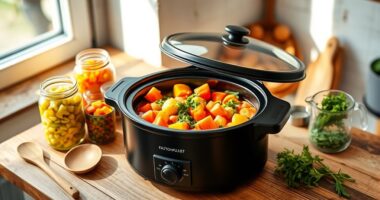
To practice zero-waste cooking, use every part of your ingredients by finding creative ways to incorporate stems, peels, and tops into your dishes. Store scraps properly with preservation tools like airtight jars or silicone bags to extend freshness. Compost or reuse leftovers to minimize waste, and buy imperfect produce to reduce discard. If you want to discover more tips for using every part of your ingredients, keep exploring sustainable cooking techniques.
Key Takeaways
- Utilize vegetable stems, leaves, and peels in soups, stir-fries, or broths to maximize ingredient use.
- Dry citrus peels for zest or flavoring, reducing waste and enhancing recipes.
- Incorporate root vegetable tops into pestos or stocks to utilize all edible parts.
- Transform overripe fruits into smoothies, jams, or baked goods to prevent spoilage.
- Store food scraps for composting or infused water to minimize waste and promote sustainability.

In a world increasingly focused on sustainability, zero-waste cooking offers a practical way to reduce your environmental footprint. You can start by mastering food preservation techniques that extend the life of your ingredients, preventing unnecessary waste. Techniques like pickling, fermenting, freezing, and canning allow you to store excess produce and leftovers safely, so you don’t have to toss food that’s still good. When you implement these methods, you’re not only reducing waste but also making the most of what you buy, which ties directly into cultivating sustainable shopping habits. Choosing to buy in bulk, opting for imperfect produce, and avoiding single-use packaging all contribute to less waste and a smaller environmental impact.
As you develop your zero-waste kitchen, it’s essential to plan your shopping carefully. Think about how much you really need and how you can utilize every part of your ingredients. For example, broccoli stems and leaves can be chopped and added to soups or stir-fries, while citrus peels can be dried and used for flavoring or making zest. Root vegetable tops can be turned into pesto or broth, and fruit scraps can be composted or used to make infused water. This approach minimizes the amount of food discarded and maximizes its usage, reinforcing sustainable shopping habits and reducing packaging waste.
Another effective practice is to repurpose leftovers creatively, transforming them into new meals instead of throwing them away. For instance, day-old bread can become croutons or bread pudding, while overripe fruit makes excellent smoothies or jams. By thinking ahead and using ingredients fully, you cut down on waste and save money. Keep a designated container for scraps that can be composted or used for broth, further closing the loop in your zero-waste philosophy.
In addition, you should consider adopting tools and storage methods that support food preservation. Vacuum sealers, airtight jars, and reusable silicone bags help keep food fresh longer, reducing spoilage and waste. Proper storage techniques, like keeping herbs in water or storing vegetables in breathable containers, extend freshness and make sure you’re getting the most out of every purchase. Combining these tools with your commitment to food preservation techniques helps build a sustainable kitchen where waste is minimized, and every bit of your ingredients is appreciated.

ZALSSKE 32oz Glass Food Storage Jars with Airtight Clamp Lids,Set of 4 Airtight Glass Canister Square- Clear Storage Container for Kitchen Container Storing Sugar, Flour, Cereal,Coffee,Spice…
Storage glass jars—- This glass jar 32oz food jars,Set of 4 measures 4.5 x 4.5 x 5.9 inch,…
As an affiliate, we earn on qualifying purchases.
As an affiliate, we earn on qualifying purchases.
Frequently Asked Questions
How Can I Start Zero-Waste Cooking With Limited Kitchen Tools?
You can start zero-waste cooking with limited tools by focusing on ingredient preservation and kitchen organization. Keep your scraps for broths or compost, and store leftovers properly to avoid waste. Use simple tools like knives and cutting boards efficiently, and organize your pantry to easily access parts of ingredients that can be repurposed. This approach helps you minimize waste, maximize every bit, and make the most of your kitchen resources.
What Are Safe Ways to Store Leftover Scraps for Later Use?
To safely store leftover scraps, focus on proper food preservation techniques. Use airtight storage containers to prevent contamination and spoilage. Label containers with dates to track freshness, and store scraps in the refrigerator for short-term use or freeze for longer preservation. Guarantee scraps are cooled before storage, and keep your fridge at the right temperature. This way, you minimize waste and keep your ingredients fresh for later use.
How Do I Ensure Zero-Waste Cooking Is Cost-Effective?
To guarantee zero-waste cooking is cost-effective, focus on food waste reduction by planning meals around leftovers and scraps. Use budget-friendly ingredients that can be versatile, reducing overall costs. Get creative with peels, stems, and trimmings, turning them into broths or side dishes. Buy in bulk when possible, and store everything properly to prevent spoilage. This approach helps save money while making the most of every ingredient.
Can Zero-Waste Cooking Help Reduce My Overall Grocery Budget?
Think of zero-waste cooking as your modern-day Robin Hood, saving money and reducing food waste at the same time. It definitely can help cut your grocery bill by making the most of every ingredient, including scraps and peels. With budget-friendly tips like planning meals around leftovers and using vegetable stems, you’ll notice less waste and more savings, proving that good habits are worth their weight in gold.
What Are Creative Recipes Using Vegetable Peels and Stems?
You can make veggie peel chips or stir-fries using stems and peels, turning scraps into tasty dishes. For example, carrot peels and stems work great in soups, while potato skins can be baked as snacks. Embrace composting benefits by composting peels and stems, promoting kitchen sustainability. This not only reduces waste but also enriches your garden soil, making your cooking more eco-friendly and cost-effective.

Annaklin Reusable Food Bags, 12 Pack 100% Silicone Food Storage Bags Stand Up Zip Lock Container, Freezer Microwave Oven Dishwasher Safe, 4 Medium 4 Small 4 Extra Small, Aqua
【SAFE & RELIABLE】Annaklin's silicone food storage bags are 100% food-grade, free from PVC, lead, chlorine, and BPA. Non-toxic,…
As an affiliate, we earn on qualifying purchases.
As an affiliate, we earn on qualifying purchases.
Conclusion
By embracing zero-waste cooking, you invite a touch of elegance to your kitchen routine, turning simple ingredients into a symphony of sustainability. Every peel and bit becomes a quiet demonstration to mindful living, where waste gently fades into the background. In this delicate dance of resourcefulness, you craft not just meals, but a more harmonious relationship with the planet. After all, isn’t life a little richer when we cherish every part of what we have?
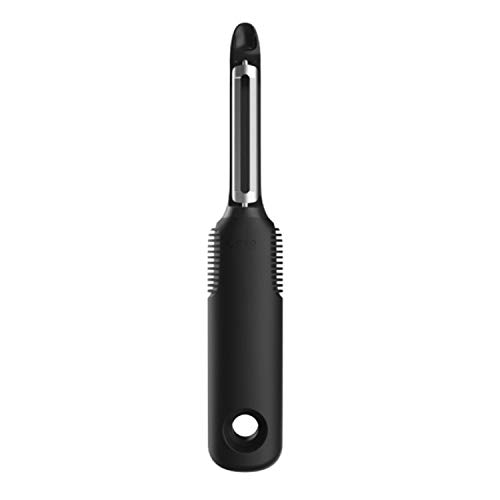
OXO Good Grips Swivel Vegetable Peeler
Easily Peel Potatoes, Apples, and Tough-Skinned Fruit: The swiveling twin blades with flexible action make this much more…
As an affiliate, we earn on qualifying purchases.
As an affiliate, we earn on qualifying purchases.

Chef Preserve Compact Vacuum Sealer for Food (Vacuum Sealer Machine + 30 Reusable Vacuum Bags) Powerful Handheld Vacuum Sealer Machine, Seal Meal Saver, Portable Food Sealer
💰 REDUCE WASTE AND SAVE MONEY: Chef Preserve keeps FOOD FRESH 5 TIMES LONGER than non-vacuum storage methods….
As an affiliate, we earn on qualifying purchases.
As an affiliate, we earn on qualifying purchases.