To stay young at heart during retirement, focus on hobbies and activities that challenge your mind and body. Try gardening, which boosts mood and mental clarity, or explore new travel destinations for excitement and growth. Picking up creative pursuits like painting or learning an instrument keeps your spirit lively. Regular exercise, social involvement, and discovering fresh interests help you feel energized and vibrant. Keep exploring these options, and you’ll find ways to enjoy a youthful, fulfilling life.

Turn quiet afternoons into listening time
- Thousands of audiobooks, podcasts and originals
- Listen on your phone, tablet or Echo — also offline
- Cancel anytime
Key Takeaways
- Engage in creative hobbies like painting, playing instruments, or learning new languages to stimulate the mind.
- Maintain regular physical activity such as walking, yoga, or swimming to preserve strength and energy.
- Pursue new experiences and travel destinations to foster excitement, growth, and mental agility.
- Cultivate a vibrant garden or participate in outdoor activities to boost mood and mental clarity.
- Stay socially active through clubs, volunteering, or group classes to build connections and emotional well-being.
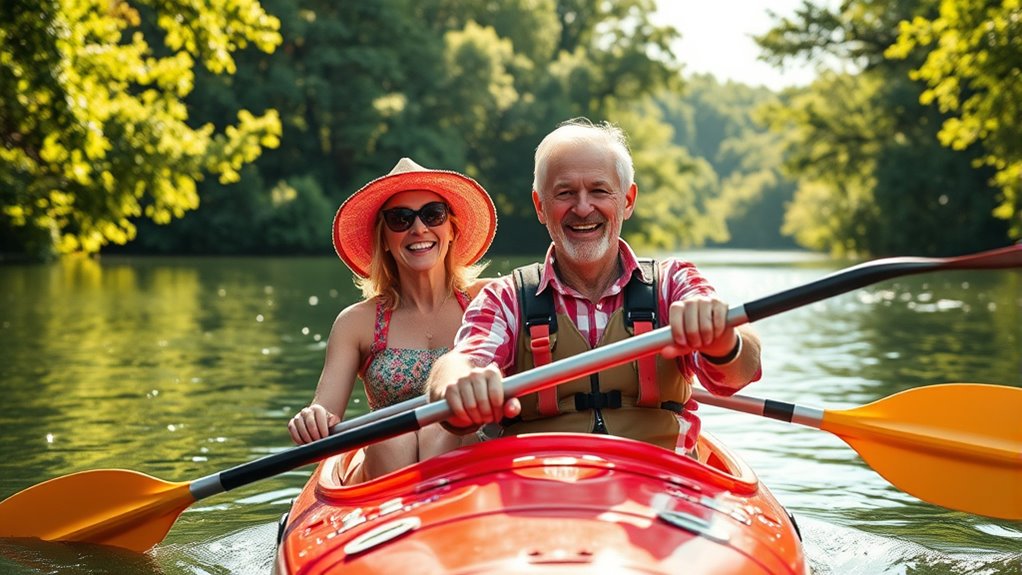
Retirement is an exciting chapter filled with new opportunities to explore hobbies and activities that bring joy and purpose. One fantastic way to stay active and engaged is through gardening. Not only does it offer a relaxing escape, but it also keeps you physically active. To make the most of your gardening experience, consider some gardening tips like choosing plants suited to your climate, starting with easy-to-maintain varieties, and incorporating vertical gardening if space is limited. Gardening can be as simple as growing herbs on your windowsill or creating a lush flower bed in your backyard. As you nurture your garden, you’ll find a sense of accomplishment that lifts your spirits and keeps your mind sharp. Incorporating organic farming methods can also make your gardening more sustainable and beneficial for your health.
Enjoy retirement by cultivating a garden; it relaxes, energizes, and sharpens your mind.
Travel is another enriching activity that can keep your days vibrant and full of discovery. There are countless travel destinations that cater to a variety of interests, from cultural city tours to outdoor adventures. If you love history and architecture, exploring European cities like Paris or Rome can be a rewarding experience. For those who prefer natural beauty, destinations like national parks or scenic coastal towns offer breathtaking views and outdoor activities. Traveling also provides opportunities to meet new people, learn different cultures, and create lasting memories. It’s important to plan trips that match your energy levels and interests, making sure you don’t overextend yourself but still enjoy the thrill of new experiences.
Beyond gardening and travel, engaging in activities that challenge your mind and body helps you stay young at heart. Consider taking up a new hobby like painting, playing an instrument, or learning a language. Regular exercise, whether walking, yoga, or swimming, keeps your body strong and your mind alert. Social activities, like joining clubs or volunteering, allow you to build meaningful connections that enrich your life and combat loneliness. The key is to stay curious and open to trying new things, which keeps your brain active and your spirit lively.
Ultimately, your retirement is your time to embrace activities that bring you happiness and fulfillment. Whether it’s cultivating a vibrant garden, exploring new travel destinations, or picking up a new hobby, staying active and engaged is essential for a vibrant, youthful outlook. By prioritizing activities that excite and inspire you, you’ll find that retirement becomes an incredible journey of growth, discovery, and joy.
As an affiliate, we earn on qualifying purchases.
Frequently Asked Questions
How Can Hobbies Improve Mental Health in Retirement?
Hobbies can considerably boost your mental health in retirement by keeping your mind engaged and reducing stress. When you practice mindfulness through activities like meditation or gardening, you stay present and calm. Engaging in creative expression, such as painting or playing music, helps process emotions and enhances happiness. These hobbies foster a sense of purpose, promote relaxation, and keep your brain active, making your retirement more fulfilling and vibrant.
What Are Some Cost-Effective Activities for Seniors?
You can enjoy budget travel by exploring local parks, museums with free entry, or nearby hiking trails, all of which are inexpensive yet enriching. DIY crafts are another cost-effective activity that sparks creativity and keeps you engaged without spending much. Both options help you stay active and social, making your retirement vibrant without stretching your budget. Embrace these affordable hobbies to maintain a lively, fulfilling lifestyle.
How to Find New Hobbies After Retirement?
To find new hobbies after retirement, start exploring activities like retirement travel and lifelong learning. Join local clubs or online groups to discover interests that excite you. Attend workshops or classes to develop new skills, and consider volunteering for meaningful experiences. Keep an open mind, try different things, and listen to what sparks your passion. Your retirement is the perfect time to embrace new hobbies and make each day fulfilling.
Are There Hobbies Suitable for Physical Limitations?
You might find it interesting that many hobbies suit physical limitations. You can explore adaptive sports designed for your needs or enjoy gentle exercises like yoga or tai chi. These activities help you stay active without strain, making it easier to maintain liveliness. With a bit of exploration, you’ll discover enjoyable options that keep you engaged and healthy, proving that limitations don’t have to limit your enjoyment or your zest for life.
How Do Hobbies Help Seniors Stay Socially Connected?
Hobbies help you stay socially connected by encouraging community engagement and shared interests. When you join clubs, classes, or group activities, you meet others who enjoy similar pursuits, fostering lifelong friendships. These connections provide emotional support, reduce loneliness, and keep you active socially. By participating regularly, you create a sense of belonging, which is essential for maintaining your mental and emotional well-being during retirement.
beginner watercolor painting set
As an affiliate, we earn on qualifying purchases.
As an affiliate, we earn on qualifying purchases.
Conclusion
Embracing hobbies keeps your spirit lively, like a well-tended garden flourishing through every season. When my grandmother took up painting in her seventies, she discovered new colors in life, proving that age is just a number. Studies show staying active boosts happiness and health at any age. So, immerse yourself in activities that excite you—think of them as seeds planted for a vibrant, youthful heart. Your retirement can be a beautiful, ever-blooming masterpiece.
As an affiliate, we earn on qualifying purchases.
senior-friendly swimming goggles
As an affiliate, we earn on qualifying purchases.
As an affiliate, we earn on qualifying purchases.
Fall Picks
fall essentials
As an affiliate, we earn on qualifying purchases.