
TL;DR
The Department of Homeland Security and CBP are no longer pursuing a traditional border wall through Big Bend National Park. Instead, they will rely on natural barriers and advanced surveillance technology. This change follows widespread bipartisan opposition and legal challenges.
Federal officials have confirmed they are abandoning plans to build a physical border wall through Big Bend National Park in Texas, opting instead to rely on natural terrain and advanced surveillance technology to secure the border.
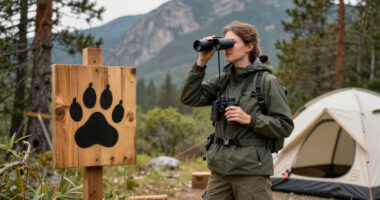
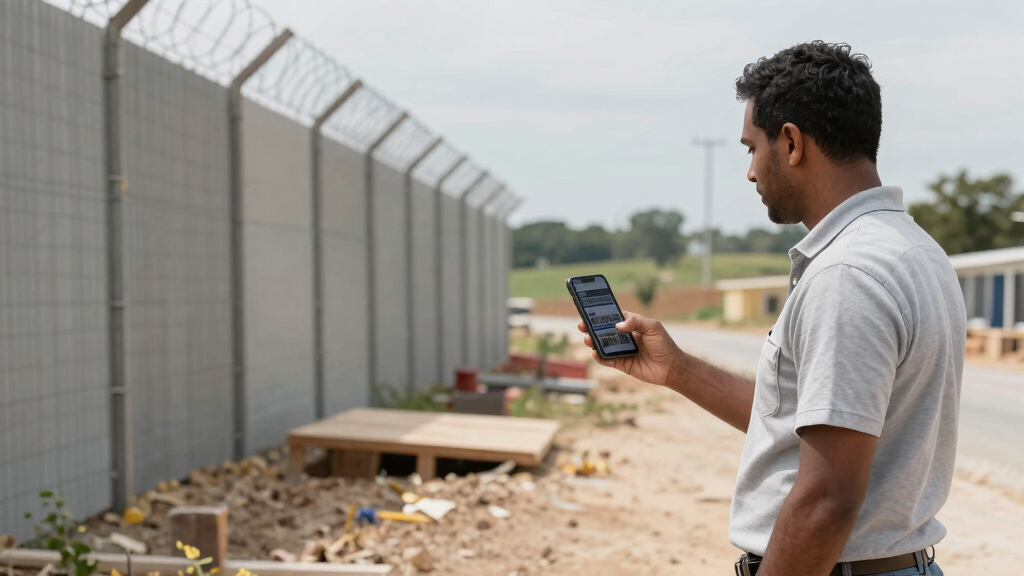
According to a statement from CBP Commissioner Rodney Scott, the remote and rugged landscape of Big Bend makes a traditional wall unnecessary, with natural barriers and detection technology providing sufficient security. The agency plans to deploy cameras, sensors, and strategic barriers, while coordinating with park officials to avoid disrupting recreational activities.
This shift follows the Trump administration’s initial plans announced in January 2025, which included waiving multiple environmental laws to facilitate construction. The wall, intended to span nearly 2,000 miles along the U.S.-Mexico border, faced significant bipartisan opposition, particularly over its potential environmental and community impacts. An interactive map showing the planned wall was removed in late April, indicating a possible change in strategy.
Why It Matters
This development marks a significant shift in U.S. border security policy, reflecting political and environmental concerns. It signals a move away from physical barriers in remote areas, potentially influencing future border infrastructure projects. The decision may also impact ongoing legal challenges and environmental considerations surrounding border construction.

Aluminum Vertical Metal Sign Multiple Sizes Notice This Area is Being Monitored by 24 Hr Video Camera Surveillance with Border Weatherproof Street 9x12Inches
- Material: Durable .040 inch aluminum
- Design: Bold, easy-to-read lettering
- Usage: Indoor and outdoor suitable
As an affiliate, we earn on qualifying purchases.
As an affiliate, we earn on qualifying purchases.
Background
In early 2025, President Trump signed a proclamation to build a ‘Smart Wall’ along the U.S.-Mexico border, with plans to waive numerous environmental laws. The project included a segment through Big Bend National Park, covering roughly 118 miles of the border. The plan faced immediate opposition from environmental groups, local residents, and officials, who raised concerns about ecological damage and community disruption. Legal challenges and public protests intensified in the following months. The interactive map of the border wall was removed in April 2026, amid reports of a policy reevaluation.
“The remote Texas landscape is better protected by natural barriers and surveillance technology than a physical wall.”
— CBP Commissioner Rodney Scott
“Building a wall here makes no logistical sense and only serves to harm the region’s wild scenery and thriving community-based tourism economy.”
— Cary Dupuy, NPCA Texas Regional Director

WSDCAM 113dB Loud Anti Theft Vibration Sensor Alarm Systems for Electric Bike Motorcycle Golf Car Trailer Mailbox Garage Door Waterproof Home Security Bike Accessories Bike Alarm with Remote
- Multi-Purpose Vibration Alarm: Suitable for bikes, vehicles, and security needs
- Wireless Remote Control: Range up to 328ft with multiple bell sounds
- Waterproof Design: IP65 rated for outdoor use
As an affiliate, we earn on qualifying purchases.
As an affiliate, we earn on qualifying purchases.
What Remains Unclear
It is not yet clear whether the decision to forgo a physical wall in Big Bend will extend to other sections of the border or if future plans might include alternative structures. The federal government has not issued a formal statement confirming a complete halt to all border wall construction nationwide, and legal or political developments could influence ongoing policies.
natural terrain border security technology
As an affiliate, we earn on qualifying purchases.
As an affiliate, we earn on qualifying purchases.
What’s Next
Next steps include the implementation of surveillance technology and natural barrier strategies in Big Bend. Federal officials are expected to coordinate with local stakeholders and finalize operational plans. Additionally, legal challenges and political debates over border security funding and policies are likely to continue, potentially affecting broader border infrastructure projects.

Hiseeu 4K Security Cameras Wireless Outdoor, 8MP 4-Cam Kit, 1T HDD
- 4K Ultra HD & Night Vision: Clear 3840×2160 resolution with IR night vision
- Wide Coverage & Human Tracking: 355° pan, 90° tilt, auto human tracking
- Dual-Band WiFi Support: Compatible with 2.4GHz and 5GHz networks
As an affiliate, we earn on qualifying purchases.
As an affiliate, we earn on qualifying purchases.
Key Questions
Why did the federal government decide to abandon the border wall in Big Bend?
Officials cited the remote and rugged terrain as better suited for natural barriers and technology, and faced bipartisan opposition and legal challenges regarding environmental and community impacts.
Will the border wall be built elsewhere along the U.S.-Mexico border?
It is unclear. While plans for Big Bend have shifted, the federal government has not announced a complete halt to all border wall projects. Future developments depend on political, legal, and environmental factors.
What technologies will be used instead of the wall?
CBP plans to deploy cameras, sensors, and detection technology, along with utilizing natural terrain features to monitor and secure the border in the Big Bend region.
How might this decision impact environmental concerns?
Reducing or eliminating physical barriers in sensitive areas like Big Bend aims to protect ecological and archaeological sites, addressing concerns raised by environmental groups and local communities.