
Choosing slow travel lets you focus on meaningful moments rather than rushing between sights. By immersing yourself in local culture, enjoying authentic cuisine, and using relaxed transportation methods like walking or trains, you deepen your connection with each place. This approach nurtures presence, patience, and genuine experiences. Instead of just ticking off landmarks, you’ll create memorable stories and appreciate your journey as much as your destination. If you want to explore how embracing the slow travel mindset transforms your trips, keep going.
Key Takeaways
- Prioritize immersive experiences and mindful engagement to deepen connections with local cultures and environments.
- Choose eco-friendly accommodations and transportation methods that promote sustainability and reduce environmental impact.
- Savor authentic local cuisine at markets and small eateries to enhance cultural understanding and support community businesses.
- Focus on slow-paced travel modes like walking, cycling, or scenic trains to notice details often missed in hurried journeys.
- Cultivate a present-minded mindset that values meaningful experiences over rapid sightseeing, transforming travel into memorable stories.
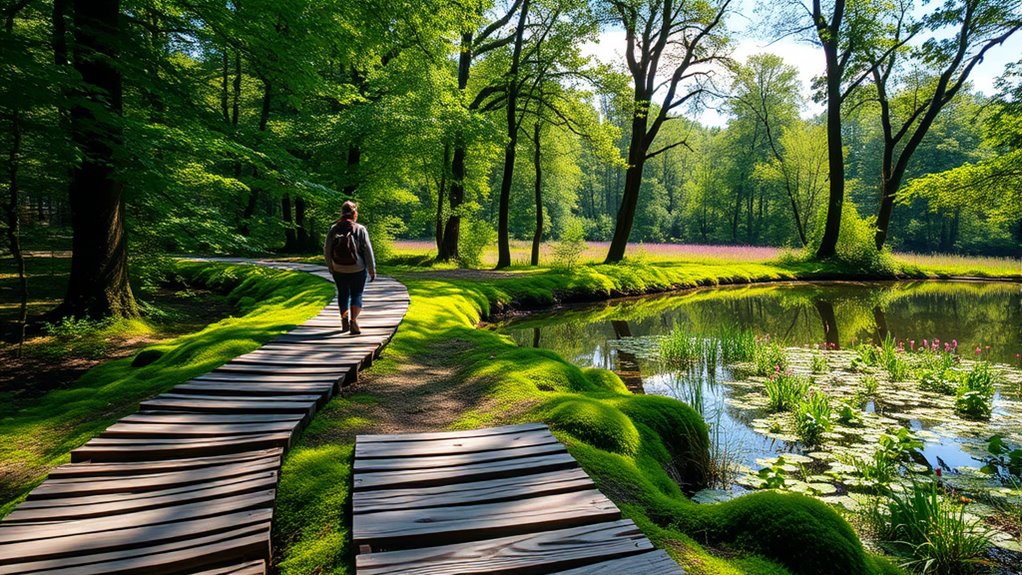
Have you ever felt rushed during your travels, missing out on the true essence of a place? If so, slow travel is the perfect remedy. It’s about shifting your focus from ticking off landmarks to immersing yourself in the environment and culture around you. Instead of rushing from one tourist attraction to the next, you take the time to savor each moment, allowing the journey to become part of the destination itself. When you embrace slow travel, you naturally seek out eco-friendly accommodations that prioritize sustainability and reduce your environmental impact. Staying in eco-friendly lodges or hostels often means engaging with local communities, supporting small businesses, and reducing your carbon footprint. These accommodations enhance your experience by making you feel more connected to the land and its people, fostering a sense of responsibility and appreciation for your surroundings.
Part of embracing slow travel involves indulging in local cuisine experiences. Instead of grabbing quick bites or dining at international chain restaurants, you seek out authentic eateries where you can taste traditional dishes prepared with local ingredients. This gives you a deeper understanding of the region’s culture and history, as food often tells stories about its people and their traditions. Sitting in a small café or visiting a local market allows you to engage with residents, learn about their culinary customs, and perhaps even pick up a few cooking tips. These moments become more meaningful than a hurried meal, transforming eating into a cultural exploration. Additionally, exploring organic and natural juices can be a healthy way to enjoy local flavors and ingredients while supporting sustainable practices.
Savor local dishes and connect with residents to turn every meal into a cultural adventure.
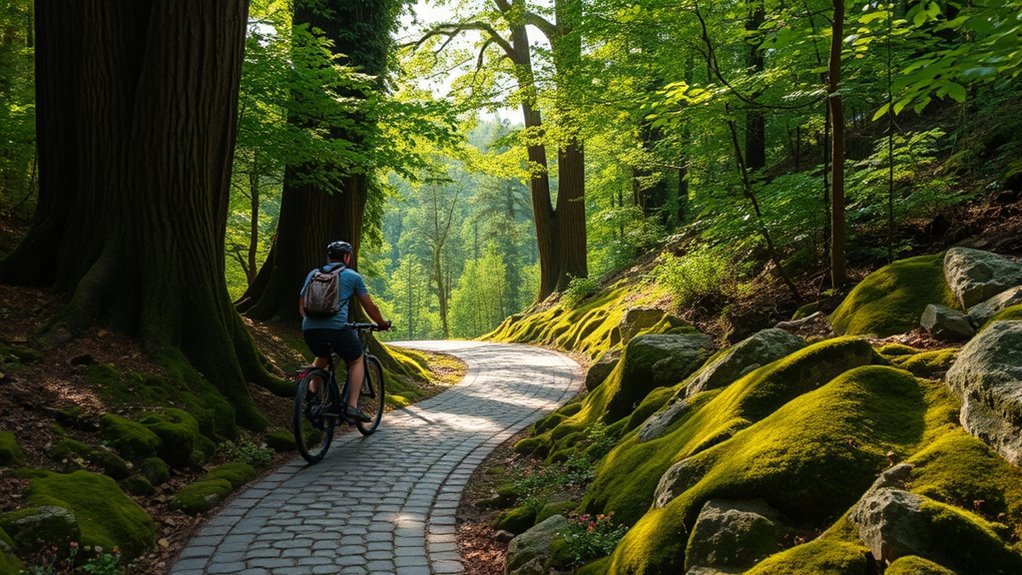
Taking your time also means choosing transportation methods that promote a more intimate connection to your surroundings. Instead of jetting between destinations or rushing through train stations, consider slow options like walking, cycling, or taking scenic routes by train. It’s in these leisurely moments that you notice details often missed in haste—a street mural, a fragrant flower market, a friendly conversation with a local vendor. This approach encourages mindfulness and patience, enriching your overall experience.
Ultimately, slow travel isn’t just about the pace; it’s a mindset that values quality over quantity. It invites you to be present, to listen, and to truly connect with the places you visit. When you prioritize meaningful experiences—like staying in eco-friendly accommodations and exploring local cuisine—you transform your journey into a collection of authentic memories. This way, the journey becomes as rewarding as the destination, deepening your appreciation for the world’s diverse cultures and landscapes.
Top picks for "slow travel embrac"
Open Amazon search results for this keyword.
As an affiliate, we earn on qualifying purchases.
Frequently Asked Questions
How Can I Start Practicing Slow Travel Effectively?
To practice slow travel effectively, start by mindful packing to reduce stress and unnecessary baggage. Take time to explore each place deeply, engaging in cultural immersion through local foods, traditions, and conversations. Resist rushing from site to site; instead, savor each moment and connect with your surroundings. This approach helps you appreciate the journey, fosters authentic experiences, and makes your travel more meaningful and enriching.
What Are the Best Destinations for Slow Travel Experiences?
You should explore destinations rich in local cuisine and vibrant cultural festivals, like Italy’s countryside or Japan’s rural villages. These places offer immersive experiences where you can savor authentic flavors, participate in traditional celebrations, and truly connect with the community. Slow travel thrives on taking your time, so choose locations that encourage lingering, exploring local markets, and engaging with the culture deeply for a more meaningful journey.
How Does Slow Travel Impact Local Communities?
Think of slow travel as tending a delicate garden; your mindful visits nurture it. By choosing to linger, you boost the local economy and support cultural preservation, allowing communities to thrive authentically. Your deliberate pace helps protect traditions and small businesses, fostering sustainable growth. This approach turns your journey into a meaningful exchange, enriching both your experience and the community’s vitality—making travel a heartfelt act of preservation and appreciation.
What Gear or Essentials Are Recommended for Slow Travel?
When preparing for slow travel, pack essentials like a comfortable backpack, reusable water bottle, and versatile clothing. Don’t forget travel gadgets such as a portable charger, a good camera, and a universal power adapter. These items keep you connected, capture memories, and stay comfortable on long journeys. Focus on lightweight, multi-purpose gear to make your experience enjoyable and hassle-free, allowing you to fully embrace the slow travel lifestyle.
Can Slow Travel Be Budget-Friendly?
Surprisingly, slow travel can be budget-friendly if you’re willing to embrace eco-friendly practices. By choosing budget travel options like train journeys or staying in local accommodations, you’ll save money and reduce your environmental impact. The irony? Spending more time enjoying the journey often costs less than rushing through multiple destinations. So, you’ll find that slowing down not only enriches your experience but also keeps your wallet happy.
Conclusion
So, next time you think rushing through your trip is the way to go, remember that slow travel offers richer experiences and genuine connections. Sure, it might seem less convenient at first, but taking your time lets you truly enjoy the journey, not just the destination. Embrace the relaxed pace, and you’ll find travel becomes more meaningful and enjoyable. After all, some of life’s best moments happen when you slow down and appreciate the ride.