
TL;DR

Turn quiet afternoons into listening time
- Thousands of audiobooks, podcasts and originals
- Listen on your phone, tablet or Echo — also offline
- Cancel anytime
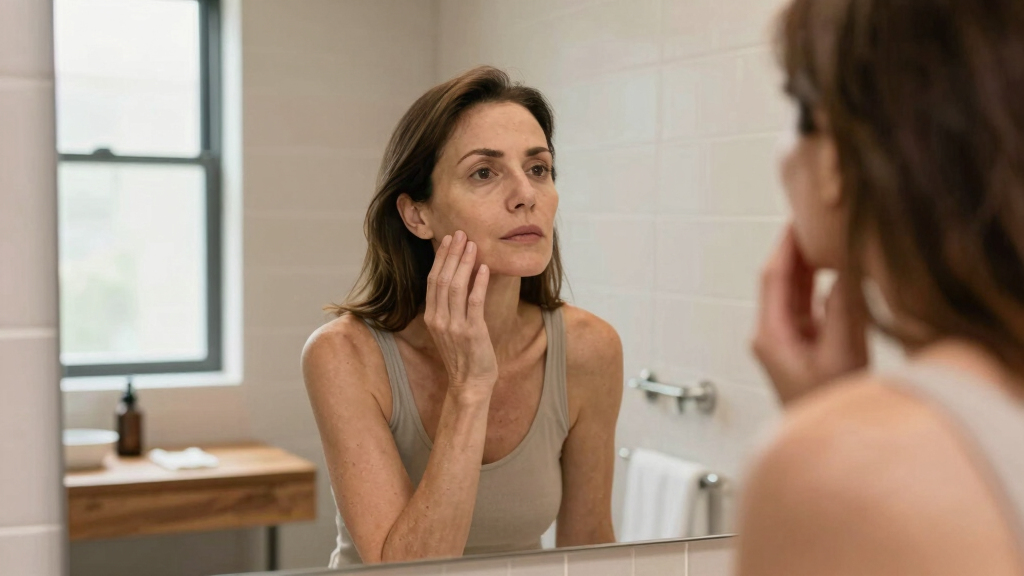
This article examines the rising societal focus on youth and beauty, the increase in cosmetic procedures, and what it means for personal identity. Confirmed data shows a surge in anti-aging treatments, but questions remain about societal impacts.
Aesthetic procedures like Botox, fillers, and facelifts have seen a significant global increase over recent years, reflecting societal pressures to maintain a youthful appearance. This trend affects how individuals perceive themselves and how society values age, making it a relevant cultural and health issue.
Recent statistics from the American Society of Plastic Surgeons reveal a 73 percent increase in Botox and similar neuromodulators between 2019 and 2022. Fillers remain among the most popular minimally invasive procedures in 2024, with a 60 percent rise in facelifts since 2017. Globally, aesthetic procedures increased by 40 percent from 2020 to 2023, according to a recent study. Additionally, the use of weight-loss drugs like Ozempic has become widespread, driven by societal ideals emphasizing slimness and youthfulness. These trends underscore a cultural shift toward greater control over body image and aging, fueled by social media and celebrity influence.
Why It Matters
This matters because societal standards around aging influence individual self-esteem, mental health, and social participation. The normalization of cosmetic procedures raises questions about societal values, beauty standards, and the pressure to conform to youth ideals. It also prompts reflection on how these trends may reinforce ageism and impact diverse perceptions of aging.
As an affiliate, we earn on qualifying purchases.
Background
Over the past decade, the popularity of cosmetic procedures has surged, driven by media portrayals of youthful beauty and social media’s influence. The early 2000s saw a focus on anti-aging treatments, but recent years have seen a shift toward ‘ageless’ ideals, with younger populations seeking procedures traditionally associated with older adults. The rise of weight-loss drugs like Ozempic further exemplifies societal emphasis on body image. These developments are part of a broader cultural phenomenon where body modification and appearance management are increasingly accessible and normalized.
“The demand for minimally invasive procedures like Botox and fillers has skyrocketed, especially among younger adults aiming to preserve a youthful look.”
— Dr. Jane Smith, plastic surgeon
“People now want to look ageless, not just younger, as the ideal shifts from youth to a timeless appearance.”
— Vivian Diller, psychologist and author
As an affiliate, we earn on qualifying purchases.
What Remains Unclear
It remains unclear how long these trends will continue or whether societal attitudes toward aging will shift toward greater acceptance of natural aging. There is also limited data on the long-term psychological impacts of widespread cosmetic procedures and body modification.
As an affiliate, we earn on qualifying purchases.
What’s Next
Expect ongoing research into the societal effects of cosmetic procedures and aging perceptions. Public discourse may evolve around redefining beauty standards, potentially leading to more inclusive attitudes toward aging. Monitoring trends in cosmetic surgery and societal responses will be key in the coming years.
As an affiliate, we earn on qualifying purchases.
Key Questions
Why are more young people seeking cosmetic procedures?
Social media, celebrity culture, and societal emphasis on youth and beauty contribute to increased demand among younger populations.
Are cosmetic procedures safe?
Most minimally invasive procedures like Botox and fillers are considered safe when performed by qualified professionals, but they carry risks like any medical intervention. Long-term effects are still being studied.
Does society’s focus on youth impact mental health?
Yes, pressure to maintain a youthful appearance can contribute to anxiety, depression, and body image issues, especially among vulnerable groups.
Will aging become more accepted in the future?
It is uncertain; cultural shifts toward body positivity and aging acceptance are ongoing, but societal standards currently lean heavily toward youthfulness.
Halloween Picks
halloween
As an affiliate, we earn on qualifying purchases.