TL;DR
Recent studies indicate that millions of individuals may be receiving incorrect cholesterol test results due to reliance on outdated testing methods. This could impact diagnosis and treatment decisions for cardiovascular health. The issue is currently under review by health authorities.
Millions of people may be receiving inaccurate cholesterol test results due to reliance on outdated testing methods, according to recent research. This development raises questions about the reliability of current cardiovascular risk assessments and treatment plans, with potential implications for public health.
Scientists and healthcare experts have identified that many cholesterol tests used in clinics and laboratories are based on older measurement techniques, which may not accurately reflect an individual’s true lipid profile. The concern centers on the widespread use of a method called the Friedewald formula, which estimates low-density lipoprotein (LDL) cholesterol but can be unreliable, especially in patients with high triglycerides or other lipid abnormalities.
Recent studies, including a comprehensive review published in the Journal of Clinical Lipidology, suggest that millions of Americans and others worldwide might be receiving misleading cholesterol readings. These inaccuracies could lead to under- or overestimating cardiovascular risk, potentially resulting in inappropriate treatment decisions. Experts warn that this could affect millions, especially those with borderline or high cholesterol levels.
Health authorities and professional organizations are now reviewing these findings. Some are calling for updated guidelines and the adoption of more precise testing methods, such as direct LDL measurement or advanced lipid profiling, to improve accuracy and patient outcomes.
Implications for Cardiovascular Disease Prevention
This issue matters because inaccurate cholesterol testing can lead to misclassification of cardiovascular risk, potentially resulting in insufficient treatment or unnecessary medication use. Correct assessment of lipid levels is vital for effective prevention strategies, especially as cardiovascular disease remains a leading cause of death globally. If widespread inaccuracies persist, many individuals may not receive appropriate interventions, increasing their risk of heart attacks or strokes.
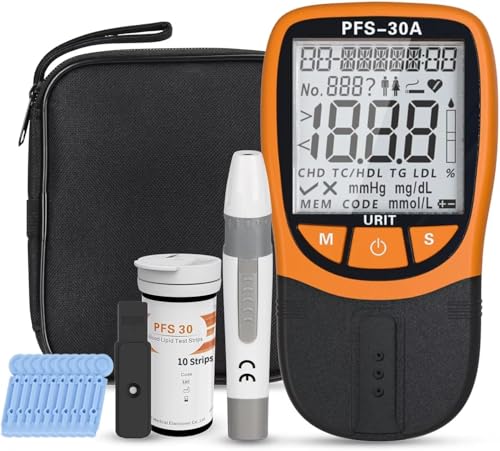
Official Blood Total Cholesterol Test Kit, 5 in 1 Triglycerides Test Kit Professional Grade Quick Blood Lipid Analysis Meter with 10 Cholesterol Test Strips for Home use
Comprehensive Cholesterol Testing at Home: Get fast, accurate results for Total Cholesterol, Triglycerides, HDL, LDL, and the TC/HDL…
As an affiliate, we earn on qualifying purchases.
As an affiliate, we earn on qualifying purchases.
Widespread Use of Outdated Cholesterol Testing Methods
For decades, the Friedewald formula has been the standard method for estimating LDL cholesterol in clinical practice due to its simplicity and cost-effectiveness. However, recent research indicates that this method can be inaccurate, particularly in patients with high triglycerides or low LDL levels. The debate over testing accuracy has gained renewed attention as new evidence emerges suggesting that current practices may compromise patient care.
Some laboratories and clinics have already begun adopting direct measurement techniques, but these are more expensive and less widely available. The controversy over the best approach to lipid testing has been ongoing, with some experts advocating for a shift toward more precise, but costly, methods.
This development follows earlier discussions about the limitations of traditional lipid panels, but the new research underscores the urgency of re-evaluating testing standards across healthcare systems.
“Switching to direct LDL measurement could improve accuracy, but cost and accessibility remain barriers that need to be addressed.”
— Dr. Michael Nguyen, chief of clinical pathology at City Hospital
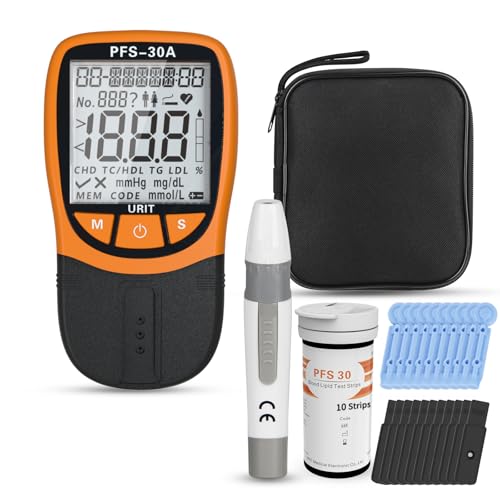
5- in-1 Lipid Test Kit, Cholesterol Test Kits, Cholesterol Tester Meter Kit at Home, (All-in-One 10ea x Profile 5-in-1 Lipid Test Strips Included)
✅ Easy to Use – Easiest to operate 5-in-1 lipid test on the market with just only ONE…
As an affiliate, we earn on qualifying purchases.
As an affiliate, we earn on qualifying purchases.
Extent of Inaccuracy and Impact on Patients Still Unclear
While research indicates potential widespread inaccuracies, it is not yet confirmed how many individuals have received misleading results or how this has affected their treatment outcomes. The full scope of the problem and its impact on patient health remains under investigation. Additionally, the specific clinical consequences of these inaccuracies are still being studied, and consensus on the best testing approach has yet to be reached.

CURO-L7 Professional Grade Blood Cholesterol Testing with Home KIT – All-in-One Test Device, Test Strips 5ea, Lancets, and EziTube Rod Included
✅ ALL-IN-ONE KIT: Includes everything needed for testing – Test device, 5 Test strips, Lancets, and EziTube Rod….
As an affiliate, we earn on qualifying purchases.
As an affiliate, we earn on qualifying purchases.
Regulatory agencies and professional organizations are expected to review the recent findings over the coming months. They may issue new guidelines recommending more accurate lipid testing methods, such as direct LDL measurement, especially for high-risk populations. Researchers are also conducting further studies to quantify the scope of the issue and determine the clinical impact of current testing inaccuracies. Meanwhile, clinicians are advised to interpret cholesterol results with caution and consider additional testing where appropriate.

HOMEDSUN 10 Cholesterol Strips for HSLPM102 Meter, Analyzer Not Included
**Each test strip batch comes with a matching code chip. Replace the chip when using a new batch…
As an affiliate, we earn on qualifying purchases.
As an affiliate, we earn on qualifying purchases.
Key Questions
How do current cholesterol tests work?
Most current tests estimate LDL cholesterol using the Friedewald formula, which calculates LDL based on total cholesterol, HDL cholesterol, and triglycerides. Some labs also use direct measurement methods, but these are less common and more expensive.
Why are the current testing methods considered unreliable?
The Friedewald formula can be inaccurate, especially in patients with high triglycerides or low LDL levels, leading to potential misclassification of cardiovascular risk.
What are the potential health impacts of inaccurate cholesterol testing?
Inaccurate tests may result in underestimating risk, leading to missed opportunities for preventive treatment, or overestimating risk, causing unnecessary medication use and side effects.
Are new testing methods available now?
Yes, direct LDL measurement and advanced lipid profiling are available but are not yet universally adopted due to cost and accessibility issues.
What should patients do if they are concerned about their cholesterol tests?
Patients should consult their healthcare providers to discuss their test results and consider whether additional testing or risk assessment is appropriate, especially if results seem inconsistent with their health status.
Source: rss