

TL;DR
New scientific findings confirm the link between chronic traumatic encephalopathy (CTE) and brain damage in athletes. The research emphasizes the importance of safety measures in contact sports. Uncertainties remain about early detection and long-term effects.
Recent scientific research has confirmed a strong link between chronic traumatic encephalopathy (CTE) and long-term brain damage in athletes exposed to repeated head injuries. This development underscores ongoing concerns about the safety of contact sports and the health risks faced by players over time.
Multiple studies published in late 2023 have provided further evidence that CTE, a degenerative brain disease associated with repeated head trauma, is prevalent among former athletes, especially football players and boxers. Researchers from leading institutions analyzed brain tissue from deceased athletes and found consistent signs of CTE pathology, including tau protein buildup and brain atrophy. These findings reinforce earlier research linking repeated concussions to the development of CTE.
Experts emphasize that while the connection between repeated head trauma and CTE is now well-supported, diagnosing CTE in living individuals remains challenging. Currently, definitive diagnosis requires post-mortem examination. The studies also highlight that symptoms such as memory loss, mood disorders, and cognitive decline often appear years after active play, complicating early detection and intervention efforts.
Health authorities and sports organizations are responding to these findings by reevaluating safety protocols, concussion management policies, and equipment standards. However, debates continue over how to best implement preventative measures and whether more restrictive rules are necessary to protect athletes from long-term brain injury.
Implications for Sports Safety and Player Health
The confirmed link between CTE and repeated head injuries raises urgent questions about the safety of contact sports like football, boxing, and hockey. It underscores the need for stricter concussion protocols, improved protective gear, and increased awareness among players, coaches, and medical staff. This research could influence policy changes aimed at reducing the risk of long-term brain damage, potentially impacting the future of contact sports and athlete health management.
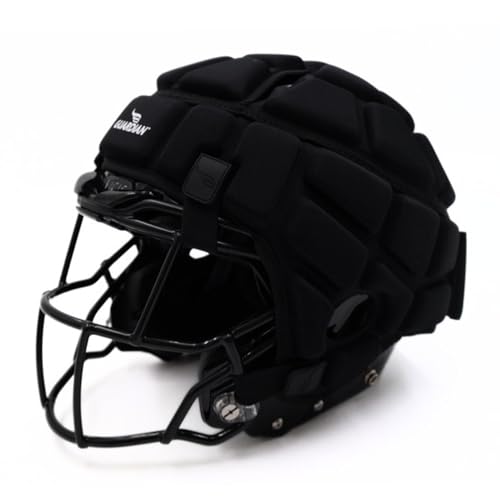
Guardian Cap – Soft-Shell Helmet Cover for Football and Lacrosse – Reduces Impact and Protects Helmets – One Size Fits All for Youth, High School and College Programs – Black
IMPACT REDUCTION | The Guardian Cap Football Helmet Cover is a padded, soft-shell layer that is worn on…
As an affiliate, we earn on qualifying purchases.
As an affiliate, we earn on qualifying purchases.
Background of CTE Research and Recent Developments
Chronic traumatic encephalopathy has been studied since the early 2000s, with initial post-mortem diagnoses linking it to athletes with histories of repeated head trauma. Over the past two decades, scientific understanding has expanded, confirming the disease’s association with contact sports. Recent studies published in 2023 have added to this body of evidence, emphasizing the disease’s prevalence among former players and the importance of early detection. Despite advances, diagnosing CTE in living individuals remains a challenge, and debates about safety protocols are ongoing.
“The latest findings reinforce the critical need for preventive measures in contact sports to protect athletes from long-term brain damage.”
— Dr. Jane Smith, Neuroscientist at the Brain Research Institute
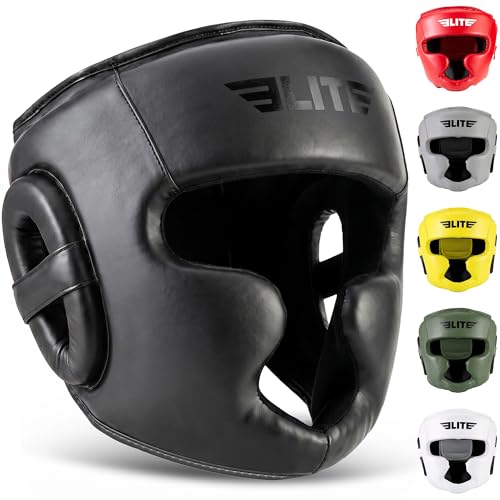
Elite Sports Boxing Headgear Men, Boxing Head Guard Sparring Gear, MMA Headgear Kickboxing Muay Thai Training Helmet, Protective Fighting Gear, Adjustable Face Protection (Black)
✅ Secure Adjustable Fit for All Sizes: Elite Sports Muay Thai Head Guard for Men features a pre-curved…
As an affiliate, we earn on qualifying purchases.
As an affiliate, we earn on qualifying purchases.
Unresolved Questions About Early Detection and Long-Term Effects
While the link between repeated head trauma and CTE is now well-supported, significant uncertainties remain. Researchers have yet to develop reliable methods for diagnosing CTE in living patients, which hampers early intervention efforts. Additionally, the full spectrum of long-term effects and the potential for reversibility or mitigation are still under investigation. It is also unclear how different levels of exposure and individual susceptibility influence disease progression.

Bauer Re-Akt 55 Hockey Helmet Combo with Facemask, Senior (Black, Medium)
Senior Helmet With Cage
As an affiliate, we earn on qualifying purchases.
As an affiliate, we earn on qualifying purchases.
Future Research and Policy Changes Under Consideration
Scientists plan to focus on developing non-invasive diagnostic tools for early detection of CTE, including advanced imaging techniques and biomarkers. Meanwhile, sports organizations are expected to review and possibly tighten safety regulations, concussion protocols, and equipment standards. Policy discussions are also likely to address the balance between safety and the cultural significance of contact sports, with ongoing debates about restrictions and player protection measures.

Q-Collar: FDA Cleared | Next-Gen Protective Gear for Athletes in Football, Soccer, Lacrosse, Hockey & Other Players | Sports Equipment | Advanced Protection for Athletes (14 (14 – 14 ¾))
[Versatile Use Across Sports] Ideal for football, soccer, basketball, lacrosse, hockey and more, the Q-Collar is the ultimate…
As an affiliate, we earn on qualifying purchases.
As an affiliate, we earn on qualifying purchases.
Key Questions
Can CTE be diagnosed in living athletes?
Currently, definitive diagnosis of CTE requires post-mortem brain examination. Researchers are working on developing diagnostic tools for living patients, but reliable methods are not yet available.
What are the main symptoms of CTE?
Symptoms include memory loss, mood swings, depression, impulsivity, and cognitive decline, often appearing years after exposure to repeated head injuries.
Are safety measures in sports changing because of this research?
Yes, many sports organizations are reevaluating safety protocols, concussion management policies, and protective equipment standards in response to recent findings.
Is there a way to prevent CTE?
The best current approach is to prevent repeated head trauma through safety measures, rule changes, and proper management of concussions. Research into early detection and treatment is ongoing.
What is the significance of these new studies?
They reinforce the established link between repeated head injuries and CTE, prompting calls for stricter safety regulations and increased awareness about long-term brain health risks for athletes.
Source: google-trends