To boost your vitality, prioritize feeding your microbiome with fermented foods like yogurt, kefir, sauerkraut, and kimchi. These foods deliver beneficial probiotics that support digestion, strengthen your immune system, and promote mental well-being. Regularly incorporating diverse probiotic sources enhances gut resilience and nutrient absorption. Keep up this habit to maintain a vibrant, energized life, and discover more simple yet effective ways to optimize your gut health as you continue exploring.
Key Takeaways
- Incorporate a variety of fermented foods like yogurt, sauerkraut, and kimchi to introduce diverse beneficial probiotics.
- Make homemade fermented foods to control ingredients and maximize nutrient and probiotic content.
- Regularly consume fermented foods to maintain a resilient, balanced gut microbiome and improve digestion.
- Support overall gut health by prioritizing nutrient absorption through fermentation benefits and maintaining hygiene.
- Diversify probiotic sources and include prebiotic-rich foods to enhance microbiome diversity and vitality.

Your gut health plays a vital role in your overall well-being, influencing everything from digestion to immune function. When your gut is balanced, you feel more energized, less inflamed, and better equipped to fight off illnesses. One of the most effective ways to support your microbiome is through fermentation benefits. Fermentation not only preserves food but also enhances its nutritional profile, making it a powerful tool for gut health. By consuming fermented foods, you introduce beneficial bacteria that can improve your gut flora, aiding digestion and boosting your immune defenses. These probiotic sources, such as yogurt, kefir, sauerkraut, kimchi, and kombucha, are packed with live cultures that help replenish and diversify your microbiome. Incorporating these into your daily diet can lead to noticeable improvements in digestion, reduce bloating, and even enhance your mood, since gut health is closely linked to mental well-being.
Supporting your microbiome with fermented foods boosts digestion, immunity, and mood for overall well-being.
You might wonder how to get started with fermentation benefits in your kitchen. It’s simpler than you think. Making your own yogurt or fermenting vegetables at home allows you to control ingredients and optimize probiotic content. These foods serve as natural probiotic sources, providing a steady stream of beneficial bacteria that colonize your gut and promote a balanced microbiome. Regularly consuming fermented foods helps maintain a resilient gut environment, which is crucial for resisting pathogenic bacteria and preventing digestive issues. Additionally, understanding the importance of toilet hygiene can support your overall health by preventing infections and maintaining a clean environment. Plus, fermentation can unlock nutrients in foods, making vitamins and minerals more bioavailable, further supporting your overall health.
Beyond just eating fermented foods, you should aim to diversify your probiotic sources. Different strains of beneficial bacteria have unique effects, so including a variety of fermented items ensures a broader range of benefits. For example, kefir is rich in multiple probiotic strains that support digestion, while sauerkraut offers fiber and antioxidants along with its live cultures. Drinking kombucha provides a refreshing boost of probiotics and antioxidants, contributing to your gut’s microbial diversity. The key is consistency—making fermented foods a regular part of your diet helps sustain your microbiome’s health over time.
Supporting your gut with fermentation benefits and probiotic sources isn’t complicated, but it does require intention. By prioritizing these foods, you’ll nourish your microbiome, which in turn boosts your vitality and overall health. Remember, a happy gut is a cornerstone of a vibrant life. Incorporate a range of fermented foods into your meals, and your gut will thank you for it. The more you invest in these probiotic sources now, the more resilient and energized you’ll feel in the long run.

Physician's CHOICE Probiotics 60 Billion CFU – 10 Strains + Organic Prebiotics – Immune, Digestive & Gut Health – Supports Occasional Constipation, Diarrhea, Gas & Bloating – for Women & Men – 30ct
- Max Strength CFU: 60 Billion CFU probiotic support
- Supports Digestive & Gut Health: Promotes healthy microbiome balance
- Contains 10 Strains: Diverse probiotic strains for gut support
As an affiliate, we earn on qualifying purchases.
As an affiliate, we earn on qualifying purchases.
Frequently Asked Questions
Can Gut Health Impact Mental Clarity and Mood?
Your gut health directly impacts your mental clarity and mood through the gut-brain connection. When your microbiome is balanced, it produces neurotransmitters like serotonin, boosting your mental health. To improve this, you can adopt mental health strategies such as a nutrient-rich diet, probiotics, and stress management. Taking care of your gut isn’t just about digestion—it’s a powerful way to enhance your overall mental well-being and clarity.
Are There Specific Foods That Harm Beneficial Gut Bacteria?
Your gut bacteria are like tiny superheroes, but certain foods can sabotage them. Avoid unhealthy fats and processed sugars, because they feed bad bacteria and diminish your beneficial microbes. These foods damage your microbiome faster than a tornado through a town. Stick to fiber-rich, fermented, and whole foods to support your gut’s health. When you nourish your microbiome, your energy, mood, and immunity soar to new heights!
How Long Does It Take to See Gut Health Improvements?
The duration timeline for gut adaptation varies, but you typically start noticing improvements within a few weeks. It can take anywhere from 3 to 6 weeks for your microbiome to respond to dietary changes and show visible benefits. Consistency is key; as you continue nourishing your gut with beneficial foods, your gut health improves gradually. Patience and ongoing effort will help you achieve lasting results.
Do Probiotics Work Better When Combined With Prebiotics?
Ever wonder if probiotics work better with prebiotics? Think of it as a power couple—probiotic synergy amplifies benefits when paired with prebiotic diversity. Combining them supports a thriving microbiome, making your gut happier and healthier. Prebiotics act as fuel, helping probiotics flourish and multiply. So, yes, they’re more effective together, creating a balanced environment that boosts digestion, immunity, and overall well-being. Feed your microbiome wisely for lasting results.
Can Gut Health Influence Skin Conditions Like Acne or Eczema?
You might notice that your gut health influences skin conditions like acne or eczema through the gut-skin connection. When your microbiome balance is disrupted, it can lead to inflammation and skin flare-ups. By supporting your gut with a healthy diet and probiotics, you promote better microbiome balance, which can reduce skin issues. Taking care of your gut isn’t just about digestion—it’s key to glowing, healthier skin.
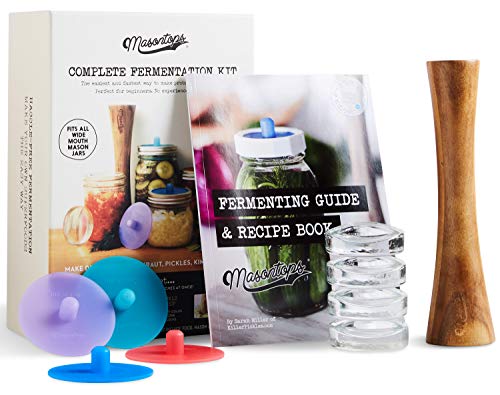
Masontops Complete Mason Jar Fermentation Kit – Pickle Kit, Sauerkraut Making Kit Kimchi Container – Fermentation Airlock Lids Wide Mouth Mason Jars
- Complete Fermentation Kit: Includes all tools for fermenting
- Fits 4 Wide Mouth Jars: Converts 4 jars into fermenters
- 9-Piece Starter Set: Includes lids, weights, tamper, and recipe book
As an affiliate, we earn on qualifying purchases.
As an affiliate, we earn on qualifying purchases.
Conclusion
By prioritizing your gut health today, you’re revealing the secret to boundless energy, unstoppable vitality, and a life so vibrant it feels like you’re walking on sunshine. Feed your microbiome with the right foods, avoid sabotage, and watch as your body transforms into a powerhouse of wellness. Remember, a happy gut isn’t just about digestion—it’s the gateway to a life so extraordinary, you’ll wonder how you ever thrived without it. Embrace these hacks and set free your ultimate self!

Lifeway Low Fat Kefir – Probiotic Drink with 10g Protein, 12 Live Active Cultures – Up to 99% Lactose Free, Gluten Free – Strawberry, 32 oz.
- Probiotic Drink with 12 Cultures: Supports gut health and nutrient absorption
- Delicious Fruity Flavor: Made with natural ingredients and strawberry flavor
- Creamy, Pourable Texture: Ideal for smoothies or drinking on its own
As an affiliate, we earn on qualifying purchases.
As an affiliate, we earn on qualifying purchases.
Masontops Complete Mason Jar Fermentation Kit – Pickle Kit, Sauerkraut Making Kit Kimchi Container – Fermentation Airlock Lids Wide Mouth Mason Jars
- Complete Fermentation Kit: Includes all tools for fermenting
- Fits 4 Wide Mouth Jars: Converts 4 jars into fermenters
- 9-Piece Starter Set: Includes lids, weights, tamper, and recipe book
As an affiliate, we earn on qualifying purchases.
As an affiliate, we earn on qualifying purchases.