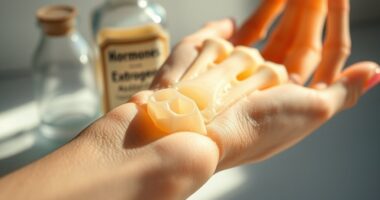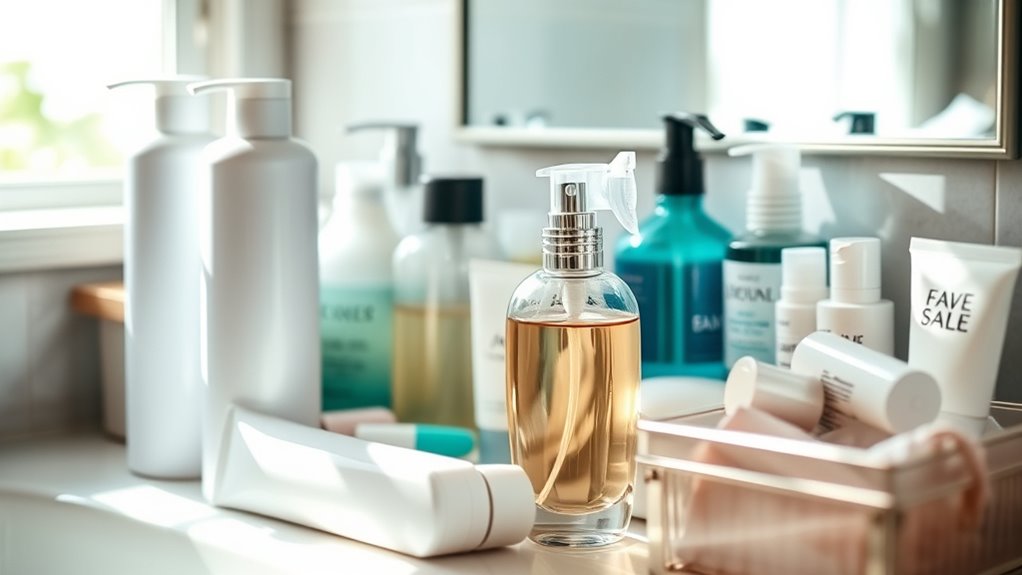

Many everyday products like plastic water bottles, cosmetic lotions, and canned foods contain hormone-disrupting chemicals such as BPA, phthalates, and parabens. These synthetic chemicals can mimic or block hormones in your body, potentially affecting reproduction, development, and increasing cancer risks. To protect yourself, choose BPA-free products, use glass or stainless steel containers, and opt for natural personal care items. Staying aware of these sources can help you minimize exposure and support your health; discover more ways to stay safe by continuing further.
Key Takeaways
- Common sources include plastics, personal care products, cleaning supplies, and food packaging containing hormone-disrupting chemicals.
- BPA, phthalates, parabens, and flame retardants are typical endocrine disruptors found in everyday items.
- These chemicals can mimic or block hormones, interfering with growth, metabolism, and reproductive health.
- Long-term exposure may lead to fertility issues, hormonal cancers, and metabolic disorders.
- Reduce risk by choosing BPA-free, paraben-free, and natural products, and using safer materials like glass or stainless steel.
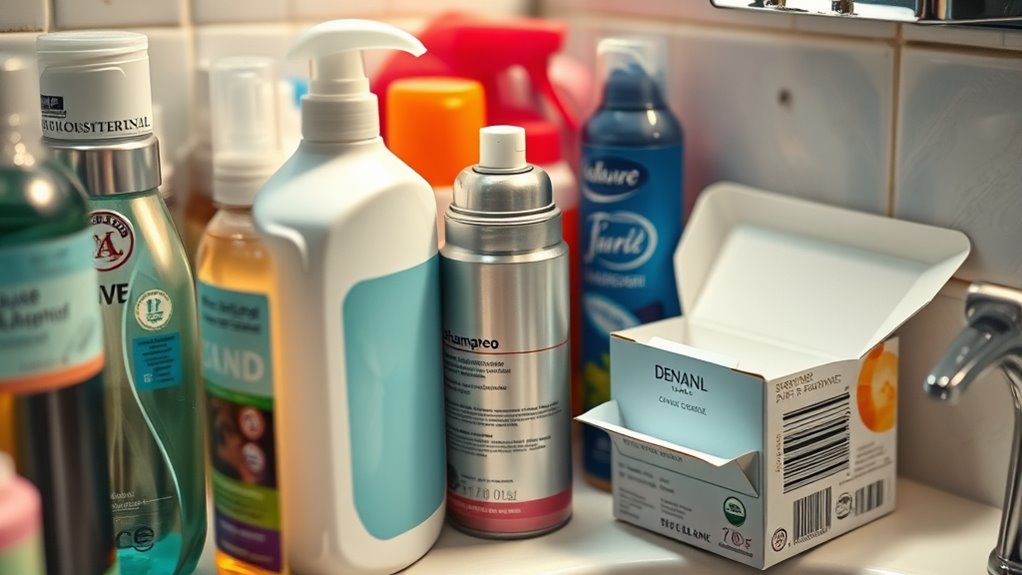
Have you ever wondered how certain chemicals in everyday products could be affecting your health? Many common items you use daily contain synthetic chemicals that, unbeknownst to you, might be interfering with your body’s hormonal balance. These chemicals, often added for preservation, fragrance, or manufacturing purposes, can act as hormone disruptors. When they enter your body, they can interfere with your endocrine system, which is responsible for regulating hormones that control everything from growth and metabolism to mood and reproduction.
Synthetic chemicals in daily products may disrupt your hormones and impact your health over time.
Synthetic chemicals are prevalent in items like plastics, personal care products, cleaning supplies, and even food packaging. Bisphenol A (BPA), phthalates, parabens, and certain flame retardants are prime examples of substances that can mimic or block natural hormones. Once inside your body, these chemicals can bind to hormone receptors, either activating or blocking them, leading to endocrine interference. This disturbance can have subtle but appreciably significant effects over time, such as altered reproductive development, increased risk of hormonal cancers, or metabolic issues like weight gain and insulin resistance.
What’s concerning is that these chemicals are often invisible in your routine. You might not see or smell them, but they’re lurking in items like plastic water bottles, cosmetic lotions, shampoos, or even the lining of canned foods. Because they’re widely used and can accumulate in your body, exposure becomes almost unavoidable. The problem isn’t just the presence of these chemicals but the cumulative impact of chronic, low-dose exposure. Over months and years, this continuous interference with your endocrine system may contribute to serious health conditions, including hormonal imbalances, fertility problems, and developmental issues in children.
To minimize your risk, you should stay informed about the products you use. Look for labels that specify “paraben-free,” “phthalate-free,” or “BPA-free.” Opt for glass or stainless steel containers instead of plastic, especially for hot liquids or foods. When shopping for personal care products, choose those with natural, organic ingredients. Be cautious with processed foods, as packaging can contain synthetic chemicals that leach into your food. Additionally, research shows that diverse materials like ceramic or recycled products are safer options for planters and storage, reducing chemical exposure. Venturing into this awareness might seem overwhelming at first, but small changes in your daily routine can appreciably reduce your exposure to these hormone disruptors.
Understanding that synthetic chemicals in your environment can be sources of endocrine interference is the first step toward protecting your health. Being proactive about avoiding or limiting these chemicals helps support your hormonal balance and overall well-being. By making conscious choices about the products you buy and use, you can take control of your health and reduce the potential risks posed by hormone disruptors lurking in everyday items.

Sahara Sailor Water Bottle 32oz, Durable and Leakproof Water Bottles Motivational with Time Marker, Tritan, BPA Free, Wide Mouth with Easy Clean Brush for Gym, Travel, Home, School, Office (1 Bottle)
Stay Hydrated Throughout the Day: staying hydrated is often easier said than done. With the Sahara Sailor clear…
As an affiliate, we earn on qualifying purchases.
As an affiliate, we earn on qualifying purchases.
Frequently Asked Questions
How Can I Tell if a Product Contains Hormone Disruptors?
To tell if a product contains hormone disruptors, start by checking the ingredient labels carefully. Look for chemicals like parabens, phthalates, or BPA. You can also research the ingredients online or look for products that have undergone chemical testing for safety. Being vigilant with labels and informed about common disruptor chemicals helps you avoid products that might harm your health.
Are There Specific Brands Known for Hormone-Safe Products?
Think of finding hormone-safe brands like searching for a clear map amidst fog. Some brands stand out for their transparency, openly sharing ingredient lists and third-party testing results. Look for those that prioritize honest product labeling and avoid vague terms. Brands like Beautycounter and Dr. Bronner’s are known for their commitment to hormone-safe ingredients. Trust brands that make transparency a priority, giving you peace of mind in your choices.
Do Hormone Disruptors Affect Men and Women Differently?
Hormone disruptors can affect men and women differently, leading to gender-specific effects. You might experience hormonal imbalance risks, such as fertility issues or changes in mood and energy levels. Men could see impacts on testosterone and sperm production, while women might face menstrual irregularities or early menopause. Being aware of these gender-specific effects helps you take steps to reduce exposure and protect your health.
Can Dietary Changes Reduce Exposure to Hormone Disruptors?
Did you know that choosing organic foods can reduce your exposure to hormone disruptors by up to 90%? Dietary changes, like switching to organic produce and avoiding processed foods, definitely help. Detox diets may also support your body’s natural detox processes. By making these adjustments, you actively reduce contact with harmful chemicals, lowering your risk of hormone disruption and promoting better overall health.
How Long Does It Take to See Health Effects From Exposure?
The time it takes to see health effects from exposure varies based on exposure duration and individual factors. Typically, short-term exposure may not cause immediate symptoms, but prolonged or repeated exposure increases the likelihood of health symptom onset. You might notice signs within weeks or months, depending on your body’s sensitivity and the level of exposure. Staying informed and minimizing contact can help reduce your risk and potentially delay or prevent symptoms.

Rubbermaid Brilliance Glass Food Storage Containers, Assorted Sizes, Set of 9, BPA-Free, Leak-Proof, Clear
LEAK-PROOF AND AIRTIGHT: Rubbermaid Brilliance Glass Food Storage Containers have crystal-clear lids that are 100% airtight and leak-proof,…
As an affiliate, we earn on qualifying purchases.
As an affiliate, we earn on qualifying purchases.
Conclusion
So, it’s quite the coincidence how many everyday products might be quietly affecting your hormones. By paying attention and making small changes, you could be avoiding some hidden risks without even realizing it. It’s almost like those sneaky disruptors are lurking around, just waiting for you to notice. Staying informed helps you take control of your health—sometimes, the tiniest adjustments make the biggest difference. Who knew that awareness could be your best defense?

Thayers Milky Hydrating Face Cleanser with Snow Mushroom and Hyaluronic Acid, Dermatologist Recommended Gentle Facial Wash and Hydrating Skincare for Dry and Sensitive Skin, Paraben Free, 8 Fl Oz
Hydrating Facial Cleanser: This facial cleanser leaves skin feeling clean, soft and cushioned and supports a smoother, more…
As an affiliate, we earn on qualifying purchases.
As an affiliate, we earn on qualifying purchases.

Huron Vacuum-Insulated Stainless Steel Travel Mug, 16oz Licorice – Leak-Proof Lid for Hot/Cold Beverages, Fits Most Cup Holdersand Brewers
Leak-Proof Lid: Ensures no spills for on-the-go convenience
As an affiliate, we earn on qualifying purchases.
As an affiliate, we earn on qualifying purchases.