Fiber is a powerhouse for your metabolic health. It fuels beneficial gut bacteria, producing short-chain fatty acids that improve digestion and help regulate blood sugar levels. Fiber also slows digestion, leading to steadier sugar absorption and reduced cravings. Plus, it promotes gut regularity and weight management by increasing satiety. Incorporating fiber-rich foods like fruits, vegetables, and whole grains daily can boost your long-term health—discover how these simple changes can make a big difference.
Key Takeaways
- Fiber fuels beneficial gut bacteria, producing short-chain fatty acids that improve gut health and support stable blood sugar levels.
- It slows digestion and sugar absorption, helping to regulate blood glucose and reduce insulin resistance.
- Fiber increases satiety, curbing appetite and cravings, which aids in weight management and prevents overeating.
- It promotes regular bowel movements and toxin elimination, maintaining digestive health and preventing discomfort.
- Consistent intake from fruits, vegetables, and whole grains supports long-term metabolic health and a diverse, healthy microbiome.

Fiber plays a essential role in maintaining metabolic health by helping regulate blood sugar levels, improve digestion, and support weight management. When you include enough fiber in your diet, you’re giving your gut bacteria the fuel they need to thrive. These beneficial microbes ferment fiber, producing short-chain fatty acids that help improve your gut environment. A healthy gut bacteria balance is fundamental because it influences how your body processes sugars and maintains stable blood sugar levels. When your gut bacteria are thriving, they assist in breaking down food more efficiently, which helps prevent blood sugar spikes after meals. This means you’re less likely to experience sudden energy crashes or cravings that can lead to overeating.
Consuming fiber regularly can slow down the digestion process, which is essential for better blood sugar control. Instead of rapid glucose absorption, fiber creates a gel-like substance in your digestive tract, delaying the release of sugars into your bloodstream. This steady release helps keep your blood sugar levels more stable throughout the day, reducing the risk of insulin resistance over time. It’s especially beneficial if you’re managing conditions like prediabetes or type 2 diabetes. Plus, fiber’s ability to slow digestion can curb your appetite, making it easier to avoid overeating and manage your weight effectively. When you feel full longer, you’re less tempted to snack on unhealthy foods, supporting your overall metabolic health.
In addition to controlling blood sugar, fiber also supports digestion by adding bulk to your stool, which promotes regular bowel movements. When your digestion runs smoothly, toxins are expelled more efficiently, reducing the likelihood of bloating and discomfort. This not only contributes to a healthier gut but also helps prevent metabolic disturbances linked to poor digestion. Incorporating fiber-rich foods like fruits, vegetables, whole grains, and legumes ensures you’re nourishing your gut bacteria while reaping the metabolic benefits. Research shows that a diverse gut microbiome can enhance metabolic health and improve overall well-being. Remember, the key is consistency—making fiber a regular part of your diet can lead to significant improvements in blood sugar regulation, digestion, and weight management over time.
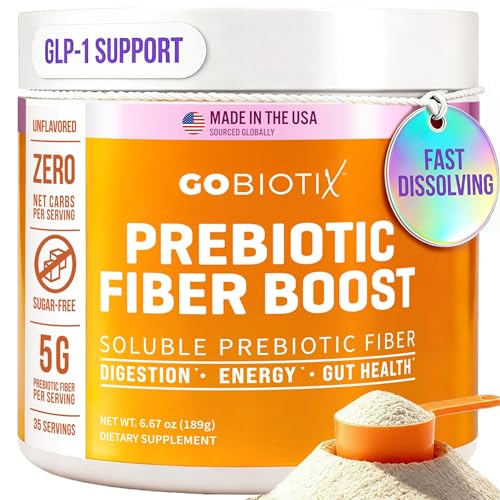
GOBIOTIX Fiber Supplement Powder with Prebiotics for Digestive Health and GLP-1 Support, Soluble Fiber for Gut Health & Debloat, Keto, Vegan, Gluten & Sugar Free, 35 Servings (1 Pack)
- Plant-Based Digestive Support: Supports daily gut health naturally
- Easy to Mix & Smooth Texture: Blends effortlessly into drinks
- Suitable for All Lifestyles: Keto, vegan, gluten-free
As an affiliate, we earn on qualifying purchases.
As an affiliate, we earn on qualifying purchases.
Frequently Asked Questions
Can Fiber Help With Weight Loss Beyond Digestion?
Yes, fiber can help with weight loss beyond digestion. When you increase fiber intake, it boosts satiety, helping you feel full longer and reducing overeating. Additionally, fiber supports healthy gut flora, which can influence your metabolism and appetite regulation. By improving digestion and promoting a balanced gut environment, fiber makes it easier for you to maintain a healthy weight and achieve your weight loss goals naturally.
Are All Fiber Types Equally Beneficial for Metabolism?
You can’t judge a book by its cover, especially when it comes to fiber types. Not all fibers are created equal for metabolism. Soluble fiber ferments in your gut, supporting gut microbiota and boosting beneficial bacteria, which can improve metabolic health. Insoluble fiber adds bulk and aids digestion but doesn’t ferment much. To maximize benefits, include a variety of fiber sources, as each type plays a unique role in supporting your metabolism.
How Much Fiber Should I Consume Daily for Optimal Health?
You should aim for about 25 to 30 grams of fiber daily for ideal health. Your daily intake should include a mix of fiber types—soluble and insoluble—to support digestion and metabolic functions. Incorporate foods like fruits, vegetables, whole grains, and legumes, ensuring variety. Tracking your fiber intake helps maintain balanced digestion, boosts metabolism, and promotes overall well-being. Remember, consistency is key to reap the full benefits.
Does Fiber Intake Affect Blood Sugar Levels Immediately?
Many think fiber’s effects on blood sugar are only long-term, but it actually influences your blood sugar regulation immediately. When you eat fiber-rich foods, it slows down your digestion, leading to a more controlled insulin response. This means your blood sugar levels don’t spike as much after meals. So, yes, fiber intake can affect blood sugar levels right away, helping you maintain steady energy and better metabolic health.
Can Fiber Supplements Replace Dietary Fiber Sources Effectively?
You wonder if fiber supplements can replace dietary fiber sources effectively. While supplements can aid fiber absorption, they might not provide all the benefits of whole foods, like additional nutrients and bioactive compounds. It’s essential to guarantee supplement safety, as excessive intake can cause digestive issues. Ideally, you should prioritize whole foods for fiber, but supplements can be a helpful, convenient addition if needed.

Fiber One Cereal, Original Bran, High Fiber Cereal Made with Whole Grain, 19.6 oz
- High Fiber Content: Delivers 65% daily fiber value
- Morning Energy Boost: Contains whole grains and 90 calories
- Whole Grain Rich: Provides 18g of whole grains per serving
As an affiliate, we earn on qualifying purchases.
As an affiliate, we earn on qualifying purchases.
Conclusion
Think of fiber as the steady anchor in your ship, guiding you safely through the turbulent seas of metabolic health. By embracing more fiber, you’re planting seeds in your body’s garden—seeds that grow stronger, healthier, and more resilient. Let fiber be the lighthouse illuminating your path toward balanced blood sugar and improved digestion. With each mindful choice, you’re constructing a fortress of wellness—one fiber-rich meal at a time—protecting your future self from unseen storms.

OxyEnergy Fiber Supplement Powder for Women & Men – Fruit and Vegetable Complex Daily Fiber, Weight Loss & Gut Health, Prebiotics & Digestive & Relieve Bloating, Orange Flavored Drink Mix, 30 Packets
- Prebiotic Fiber Support: Promotes digestive health and weight loss
- Long-lasting Fullness: Keeps you full for up to 6 hours
- Fat and Carbohydrate Absorption: Traps fats and slows carb absorption
As an affiliate, we earn on qualifying purchases.
As an affiliate, we earn on qualifying purchases.
Fiber One Cereal, Original Bran, High Fiber Cereal Made with Whole Grain, 19.6 oz
- High Fiber Content: Delivers 65% daily fiber value
- Morning Energy Boost: Contains whole grains and 90 calories
- Whole Grain Rich: Provides 18g of whole grains per serving
As an affiliate, we earn on qualifying purchases.
As an affiliate, we earn on qualifying purchases.