
To reduce midlife inflammation naturally, focus on eating a diet rich in fruits, vegetables, healthy fats, and whole grains while cutting back on processed foods, sugars, and trans fats. Manage stress through mindfulness, exercise, and quality sleep, as chronic stress and poor rest can boost inflammation. Maintaining a healthy weight also plays a key role. By adopting these lifestyle habits, you’ll support your immune system and long-term health—discover more ways to optimize your wellness.
Key Takeaways
- Incorporate antioxidant-rich fruits and vegetables, like berries and leafy greens, to combat oxidative stress and reduce inflammation.
- Maintain a healthy weight through balanced diet and regular exercise to lower fat-related inflammatory markers.
- Manage chronic stress with mindfulness, meditation, and relaxation techniques to prevent cortisol-induced inflammation.
- Prioritize quality sleep (7-9 hours) and stay well-hydrated to support immune function and reduce systemic inflammation.
- Adopt a holistic lifestyle combining nutritious eating and stress reduction for sustainable, long-term inflammation control.
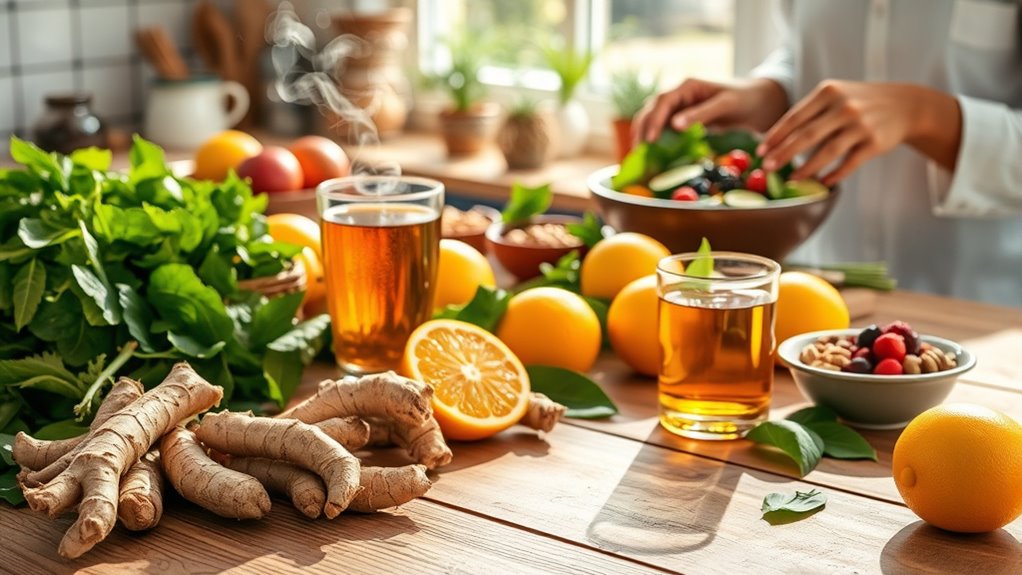
As you reach midlife, inflammation can become a silent contributor to various health issues, but you don’t have to rely solely on medications to fight it. Making simple yet effective lifestyle changes can considerably reduce inflammation and improve your overall well-being. Two powerful strategies are diet modifications and stress management. These approaches address the root causes of inflammation and support your body’s natural defenses.
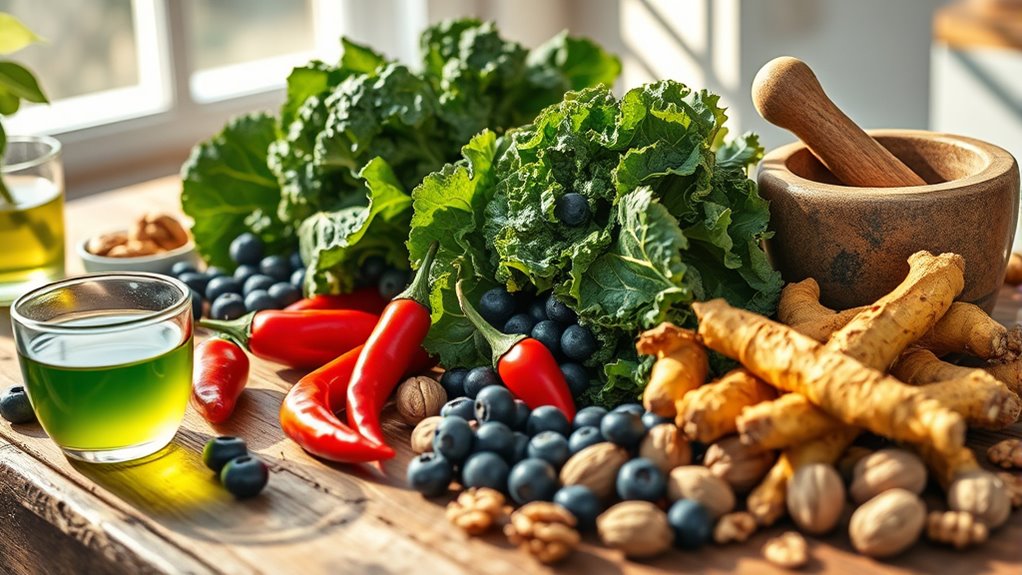
Start by examining your diet. Incorporating anti-inflammatory foods can make a big difference. Focus on eating more fruits and vegetables, especially those rich in antioxidants like berries, leafy greens, and bell peppers. These foods help neutralize free radicals that can trigger inflammation. Include healthy fats such as omega-3 fatty acids found in fatty fish like salmon, walnuts, and flaxseeds. These fats have proven anti-inflammatory properties and can help lower levels of inflammatory markers in your body. Also, consider reducing your intake of processed foods, refined sugars, and trans fats, which are known to promote inflammation. Opt for whole grains like quinoa, brown rice, and oats instead of refined grains, as they contain fiber that supports gut health and reduces inflammation. Staying hydrated by drinking plenty of water is essential too, as dehydration can exacerbate inflammation. Maintaining a healthy weight also plays a crucial role in reducing inflammation as excess body fat can promote inflammatory processes. Furthermore, choosing foods with anti-inflammatory properties can enhance your efforts to combat inflammation naturally. Incorporating lifestyle habits that reduce stress can further amplify these benefits.
Eating more fruits, vegetables, and omega-3s reduces inflammation and boosts your health naturally.
Stress management plays an essential role in controlling inflammation. Chronic stress triggers the release of cortisol and other hormones that can promote inflammation when sustained over time. To combat this, find activities that help you relax and unwind regularly. Practice mindfulness meditation, deep breathing exercises, or gentle yoga to calm your nervous system. Taking time out for hobbies you enjoy or spending quality time with loved ones can also reduce stress levels. Prioritize sleep, as poor sleep quality is linked to increased inflammation. Aim for 7-9 hours of restful sleep each night, establishing a calming pre-sleep routine to help your body reset. Consider incorporating relaxation techniques like progressive muscle relaxation or guided imagery to further diminish stress.
Combining diet modifications with stress management creates a synergistic effect, making your efforts more effective. When you nourish your body with healthy foods and keep stress in check, you support your immune system and reduce inflammation naturally. These lifestyle adjustments aren’t about drastic changes but about consistency and choosing habits that promote long-term health. Small steps, like swapping processed snacks for nuts and berries or dedicating 10 minutes daily to mindfulness, can lead to noticeable improvements over time. Remember, controlling inflammation isn’t just about feeling better now—it’s about laying the groundwork for healthier aging and reducing your risk of chronic diseases down the road.

The 30-Day Inflammatory Reset: A Complete Guide to Healing Your Immune System
As an affiliate, we earn on qualifying purchases.
As an affiliate, we earn on qualifying purchases.
Frequently Asked Questions
Can Supplements Effectively Reduce Midlife Inflammation?
Supplements can help reduce midlife inflammation, but their effectiveness varies. You might consider antioxidant supplements like vitamin C or E, which fight free radicals and lower inflammation. Herbal remedies such as turmeric or ginger are also popular for their anti-inflammatory properties. While these supplements and remedies can support your health, remember they work best when combined with a balanced diet and regular exercise, not as a sole solution.
How Does Stress Impact Inflammation Levels in Midlife?
Think of stress as a wildfire inside your body, fueling inflammation. When you don’t manage stress, cortisol levels spike, causing a chain reaction that worsens inflammation. Stress management techniques can help tame this blaze, reducing cortisol effects and calming your system. By controlling stress, you protect yourself from the flames of chronic inflammation, helping to maintain your health and energy during midlife.
Are There Specific Foods to Avoid for Inflammation Reduction?
You should avoid certain dietary triggers that promote inflammation. Stay away from processed foods, sugary snacks, and trans fats, as these can increase inflammation levels. Instead, focus on incorporating anti-inflammatory foods like berries, leafy greens, and fatty fish. Being mindful of your diet helps reduce inflammation naturally, supporting your overall health and well-being. Cutting out or limiting inflammatory dietary triggers is a simple step toward better health in midlife.
What Lifestyle Changes Have the Quickest Impact on Inflammation?
Imagine opening instant relief from inflammation—yes, it’s possible! You can experience rapid results by making simple lifestyle changes like diet modifications and starting regular exercise routines. These quick wins boost your body’s natural defenses, reduce inflammation faster than you’d believe, and improve your overall health. Just a few small adjustments now can lead to big, lasting changes, making you feel better and more energized every single day.
Is Inflammation Linked to Age-Related Cognitive Decline?
You might wonder if inflammation affects your brain health as you age. Research shows that chronic inflammation can impair immune function and contribute to age-related cognitive decline. By managing inflammation, you help protect your brain and support overall brain health. Staying active, eating anti-inflammatory foods, and reducing stress can be effective. Taking these steps boosts your immune system, potentially slowing cognitive decline and maintaining mental sharpness over time.
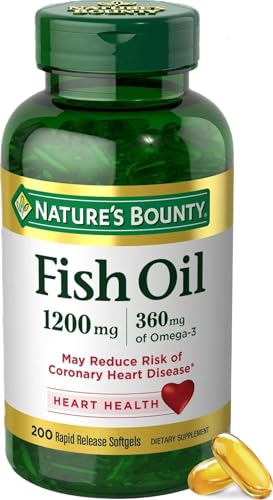
Nature's Bounty Fish Oil Omega 3 Supplements – Supports Heart Health, 1200 Mg Fish Oil, Omega-3, 200 Softgels (Pack of 1)
- Supports Heart Health: 1200 mg fish oil, 360 mg omega-3
- Promotes Cellular and Metabolic Health: EPA DHA omega-3 support
- Easy-to-Swallow Softgels: Convenient omega-3 supplement
As an affiliate, we earn on qualifying purchases.
As an affiliate, we earn on qualifying purchases.
Conclusion
By embracing these natural strategies, you can tame inflammation and reclaim your vitality before it spirals out of control. Think of your body as a finely tuned machine—neglect it, and it could grind to a halt. Taking small steps now, like eating anti-inflammatory foods and staying active, can save you from a health crisis that feels as overwhelming as a tidal wave. Start today, and give yourself the gift of lasting well-being.

Free Guided Meditation App – Sleep and Relaxation
- Guided Meditation for Sleep: Relaxing guided meditations for better sleep
- Nature Sounds: Soothing nature sounds to aid sleep
- White Noise: Calming white noise for relaxation
As an affiliate, we earn on qualifying purchases.
As an affiliate, we earn on qualifying purchases.
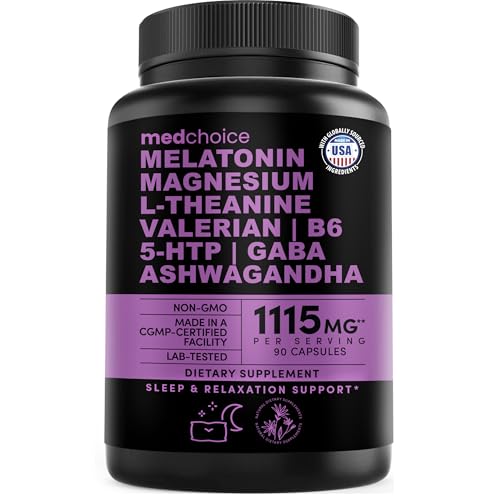
MEDCHOICE 12-in-1 Melatonin 5mg Sleep Capsules with Magnesium, 90ct
- Improved Non-Habit Forming Formula: Supports restful sleep naturally
- Powerful Ingredient Blend: Includes melatonin, magnesium, ashwagandha
- Promotes Calm and Relaxation: L-Theanine and magnesium support tranquility
As an affiliate, we earn on qualifying purchases.
As an affiliate, we earn on qualifying purchases.