Smart tires are equipped with embedded sensors that monitor pressure, temperature, and tread depth in real time. These sensors send instant alerts if something’s off, helping you prevent flat tires, uneven wear, and blowouts. By maintaining ideal pressure and tread, you improve safety, fuel efficiency, and tire lifespan. As technology advances, these sensors become more durable and accurate, making tire care easier and more reliable—if you keep exploring, you’ll discover even more benefits.

Turn quiet afternoons into listening time
- Thousands of audiobooks, podcasts and originals
- Listen on your phone, tablet or Echo — also offline
- Cancel anytime
Key Takeaways
- Embedded sensors continuously monitor tire pressure, temperature, and tread depth for real-time insights.
- Alerts notify drivers of potential issues, preventing blowouts and uneven wear.
- Data helps extend tire lifespan and optimize maintenance schedules.
- Properly maintained tires via sensor data improve fuel efficiency and reduce emissions.
- Future smart tires will feature more advanced sensors for easier, more reliable vehicle safety management.
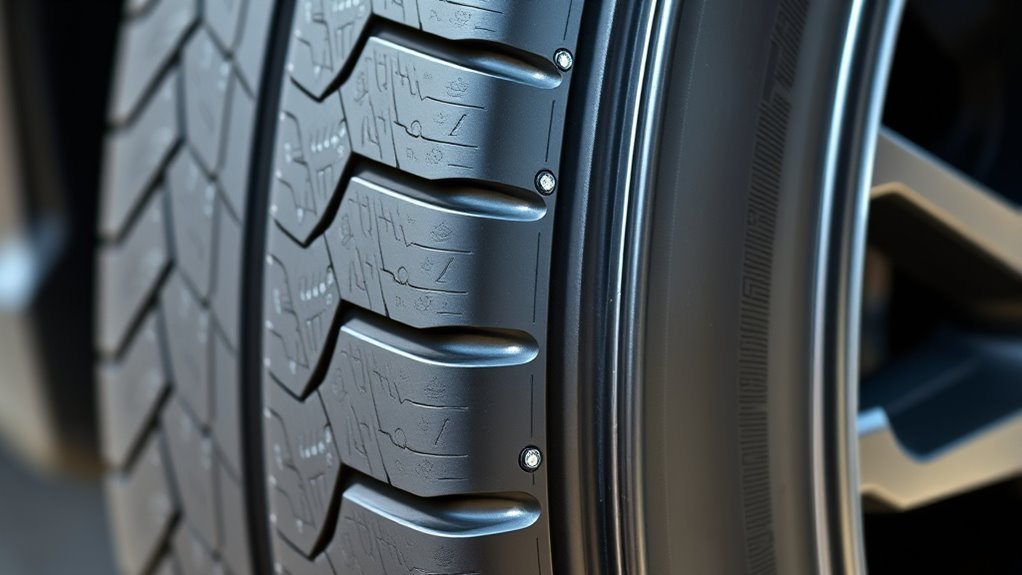
Have you ever wondered how tires might become smarter than just simple rubber circles? Thanks to advancements in technology, that’s now becoming a reality. Modern smart tires incorporate sensor integration that continuously monitors various aspects of their condition, offering you real-time insights that can enhance safety and performance. One of the key benefits of these sensors is improving tire longevity. By constantly tracking pressure levels and tread wear, you can prevent premature tire replacement and make your tires last longer. This proactive approach means you avoid the guesswork involved in traditional maintenance, saving you money and reducing environmental waste.
Sensor integration in smart tires works seamlessly. Tiny electronic components embedded within the tire communicate with your vehicle’s onboard systems or directly with your smartphone. These sensors detect even minor changes in tire pressure, temperature, and tread depth, providing you with immediate alerts if something is amiss. For example, if your tire pressure drops below the recommended level, you’ll get a warning before it causes uneven wear or potential blowouts. This proactive alert system helps you maintain ideal tire pressure, which is vital for tire longevity and fuel efficiency. Under-inflated tires not only wear out faster but also compromise safety, so having this constant monitoring is a game-changer.
Furthermore, these sensors enable you to track how your tires wear over time. By analyzing tread depth data, you can identify when your tires are nearing the end of their useful life and schedule replacements accordingly. This way, you’re not only safeguarding your safety but also maximizing the lifespan of your tires. The data collected can also help you adjust your driving habits to reduce uneven wear patterns, further extending your tires’ service life.
Smart tires also contribute to overall vehicle efficiency. Maintaining proper pressure and tread depth means less rolling resistance, which improves fuel economy and reduces emissions. Over time, sensor integration ensures you’re always aware of your tires’ condition, making maintenance more predictable and less reactive. Instead of waiting for a warning light or experiencing a sudden flat, you gain peace of mind knowing your tires are being actively monitored.
In essence, smart tires with sensor integration transform the way you care for your vehicle. They help you extend tire longevity, improve safety, and save money by preventing unnecessary replacements. As this technology continues to evolve, you can expect even more sophisticated features that make tire maintenance easier, more intuitive, and more reliable. With these innovations, tires are no longer just rubber circles—they’re intelligent components that work tirelessly to keep you safe and on the road longer. This technology also benefits from advancements in sensor durability and accuracy, ensuring consistent performance over time.
smart tire pressure monitoring system
As an affiliate, we earn on qualifying purchases.
As an affiliate, we earn on qualifying purchases.
Frequently Asked Questions
How Do Smart Tires Communicate Data to the Vehicle?
Smart tires communicate data to your vehicle through wireless transmission, sending real-time information about pressure and tread condition. You can expect this data to be incorporated seamlessly into your car’s onboard computer system, allowing for instant monitoring. This wireless communication ensures you stay aware of tire health without manual checks, enhancing safety and performance. The system continuously transmits tire data, providing alerts and insights directly to your vehicle’s dashboard.
What Is the Lifespan of Sensors in Smart Tires?
You’ll find that sensor durability in smart tires typically lasts around 5 to 10 years, depending on driving conditions. For example, a fleet of delivery trucks might need sensor replacements every 3 to 5 years due to heavy use. Replacement intervals vary based on factors like climate and road conditions, so regularly checking sensor health guarantees consistent data accuracy and ideal tire performance.
Are Smart Tires Compatible With All Vehicle Types?
Yes, smart tires are generally compatible with most vehicle types, but tire compatibility and vehicle integration can vary. You should check your vehicle’s specifications and consult with manufacturers to guarantee the sensors will work properly. Some cars may require adapters or specific installation procedures. Always verify compatibility to ensure seamless integration, ideal performance, and safety. This way, you get the benefits of smart tire technology without any unexpected issues.
What Are the Costs Associated With Upgrading to Smart Tires?
Upgrading to smart tires costs between $150 and $300 per tire, depending on the brand and features, with installation challenges mainly involving compatibility with your vehicle’s systems. A cost comparison shows these tires are more expensive than traditional ones, but they offer benefits like real-time pressure data. Keep in mind, you might need professional installation to guarantee proper sensor integration, which can add to the overall expense.
How Do Smart Tires Perform in Extreme Weather Conditions?
Smart tires generally perform well in extreme weather conditions, thanks to their advanced sensors that help optimize tire traction and enhance weather resilience. You’ll notice better grip on icy or wet surfaces because these tires can alert you to pressure changes or tread wear that affect safety. However, in extremely harsh environments, like heavy snow or deep mud, their performance may still be limited compared to specialized tires.
As an affiliate, we earn on qualifying purchases.
Conclusion
With smart tires, you gain real-time pressure insights, improve safety, and enhance performance. You stay alert to tread wear, prevent accidents, and extend tire life. You monitor conditions, optimize fuel efficiency, and adapt to changing roads. Embracing this technology means embracing vigilance, efficiency, and safety. You connect with your vehicle, control your journey, and transform driving into a smarter experience. With smart tires, you don’t just drive — you drive with awareness, confidence, and innovation.
As an affiliate, we earn on qualifying purchases.
As an affiliate, we earn on qualifying purchases.
Fall Picks
fall essentials
As an affiliate, we earn on qualifying purchases.