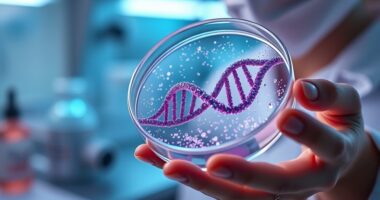
Photobiomodulation light therapy boosts your athletic performance and recovery by stimulating cellular activity and speeding up tissue repair. It works through specific wavelengths that penetrate your skin to energize your mitochondria, increasing ATP production and promoting healing. This reduces inflammation, alleviates pain, and helps you recover faster from injuries or intense workouts. Over time, regular treatments strengthen your tissues and improve resilience, setting you up for better performance—keep going to discover how this innovative approach can help you reach your goals.

Turn quiet afternoons into listening time
- Thousands of audiobooks, podcasts and originals
- Listen on your phone, tablet or Echo — also offline
- Cancel anytime
Key Takeaways
- Enhances cellular energy production, boosting muscle performance and reducing fatigue during physical activity.
- Accelerates tissue repair and recovery, enabling quicker return to optimal performance levels.
- Reduces inflammation and soreness, supporting smoother movement and decreased injury risk.
- Strengthens tissues over time, improving resilience and endurance for future physical stresses.
- Offers non-invasive, drug-free benefits that optimize overall athletic performance and recovery.

Photobiomodulation light therapy is a non-invasive treatment that uses specific wavelengths of light to stimulate cellular activity and promote healing. When you undergo this therapy, the light penetrates your skin and reaches your cells, triggering a series of biological responses. One of the key benefits you’ll notice is enhanced cell regeneration. By stimulating your mitochondria—the energy-producing parts of your cells—the therapy boosts ATP production, which is essential for repairing damaged tissues and fostering new, healthy cells. This process accelerates recovery, reduces inflammation, and supports your body’s natural healing mechanisms.
Photobiomodulation stimulates cellular activity, accelerates healing, and reduces inflammation naturally.
As you experience improved cell regeneration, you’ll also notice a significant reduction in pain. Photobiomodulation helps modulate inflammatory responses and decreases the production of pain-related chemicals in your tissues. Whether you’re dealing with chronic conditions, sports injuries, or post-surgical discomfort, this therapy can provide targeted relief. The light’s ability to decrease inflammation directly impacts pain levels, leading to less soreness and swelling. This effect allows you to regain mobility faster and return to your daily activities with less discomfort.
You might find that with regular sessions, the benefits compound over time. The therapy’s ability to promote cell regeneration not only addresses immediate pain but also strengthens tissues to withstand future stress. This makes it a valuable tool for athletes looking to optimize performance and recovery, as well as for individuals managing ongoing pain issues. Because the treatment is non-invasive, you can enjoy these benefits without the risks associated with medications or surgical procedures.
Furthermore, photobiomodulation light therapy is versatile. It can be tailored to target specific areas, whether you’re focusing on joint pain, muscle injuries, or skin wounds. Its capacity to stimulate cellular activity means it enhances healing across a wide range of conditions. As a result, you may notice faster healing times, less reliance on painkillers, and an overall improvement in your physical resilience. Additionally, understanding the importance of cellular health and mitochondrial function can help you appreciate how this therapy optimizes your body’s natural healing power.
Incorporating light therapy into your health routine can elevate your performance and recovery process. The dual benefits of promoting cell regeneration and reducing pain make it a compelling choice for those seeking a natural, drug-free approach to healing. With consistent treatment, you can harness the power of light to support your body’s healing capabilities and get back to your active lifestyle more quickly and comfortably.
Frequently Asked Questions
How Quickly Can I Expect Results From Photobiomodulation Therapy?
You can typically expect to see results from photobiomodulation therapy within a few sessions, often as early as 24 to 72 hours. Your recovery timeline may vary based on your individual condition and goals, but many notice improvements in pain, inflammation, or performance in just a week. Consistent sessions tend to accelerate your progress, so stay committed to the treatment plan for the best timing expectations.
Are There Any Side Effects or Risks Involved?
Potential side effects and risk factors are minimal, but you should stay aware. You might experience mild, temporary discomfort, eye sensitivity, or skin irritation. Risks are low when used correctly, but overuse or improper settings could lead to adverse effects. Always follow guidelines and consult a professional to reduce risk factors. Overall, light therapy is safe, but being informed helps you avoid any unwanted side effects.
Can Photobiomodulation Replace Traditional Training Methods?
No, photobiomodulation can’t replace traditional training methods, but it can serve as an effective complementary tool. With technological advancements, it offers an alternative training approach that enhances recovery and performance. You should incorporate it alongside your regular workouts, not rely solely on it. This way, you maximize benefits while ensuring your training remains thorough. Remember, combining innovative methods with conventional practices leads to ideal results.
Is This Therapy Suitable for All Age Groups?
Think of photobiomodulation as a gentle sunbeam warming everyone’s path, but not all trails are suitable for every traveler. For age considerations, it’s safe for many, yet pediatric safety remains a priority; children’s developing tissues need careful monitoring. While adults often benefit, you should consult a healthcare professional to determine if this therapy suits your age group. It’s about ensuring the light guides you safely without crossing delicate boundaries.
How Does Light Wavelength Influence Therapy Effectiveness?
You should know that light wavelength directly impacts therapy effectiveness through light absorption and tissue penetration. Shorter wavelengths, like blue light, mainly target surface tissues, while longer wavelengths, such as near-infrared, penetrate deeper into tissues. This means choosing the right wavelength permits you to optimize absorption and reach your desired tissue layers, enhancing healing and performance benefits. Selecting the appropriate wavelength guarantees you get the most effective results from your light therapy sessions.
Conclusion
As you explore photobiomodulation, you’re revealing a secret weapon in boosting performance. Think of light therapy as a gentle push that nudges your body toward better recovery and heightened energy. Embrace this innovative tool, and you’ll find it’s like turning on a hidden switch within you. With consistent use, you’re not just chasing improvement—you’re illuminating your path to peak performance, shining brighter with each session.
Fall Picks
fall essentials
As an affiliate, we earn on qualifying purchases.