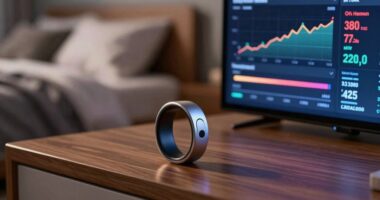
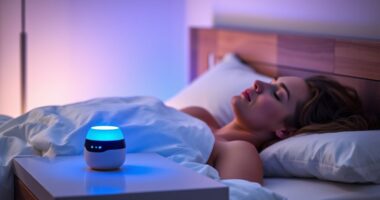
Wearable biosensors monitor your critical signs and biological metrics in real time, helping you track stress, hydration, sleep, and more. They use advanced sensors that require proper placement, calibration, and maintenance for accurate readings. Your data is sensitive, so choosing devices with strong security measures is essential. When used correctly, these devices provide reliable insights to support your health goals. Keep exploring to discover how these tools can best benefit your wellness journey.
Key Takeaways
- Wearable biosensors monitor vital signs like stress levels, hydration, heart rate, sleep, and blood sugar in real time.
- Proper device use and calibration are essential for accurate tracking of various health metrics.
- Data collected by biosensors is sensitive; manufacturers implement encryption and privacy policies to protect user information.
- Continuous monitoring with biosensors enables early detection of health issues and supports personalized health management.
- Understanding device functionality and data accuracy helps users make informed wellness decisions from their biosensor data.
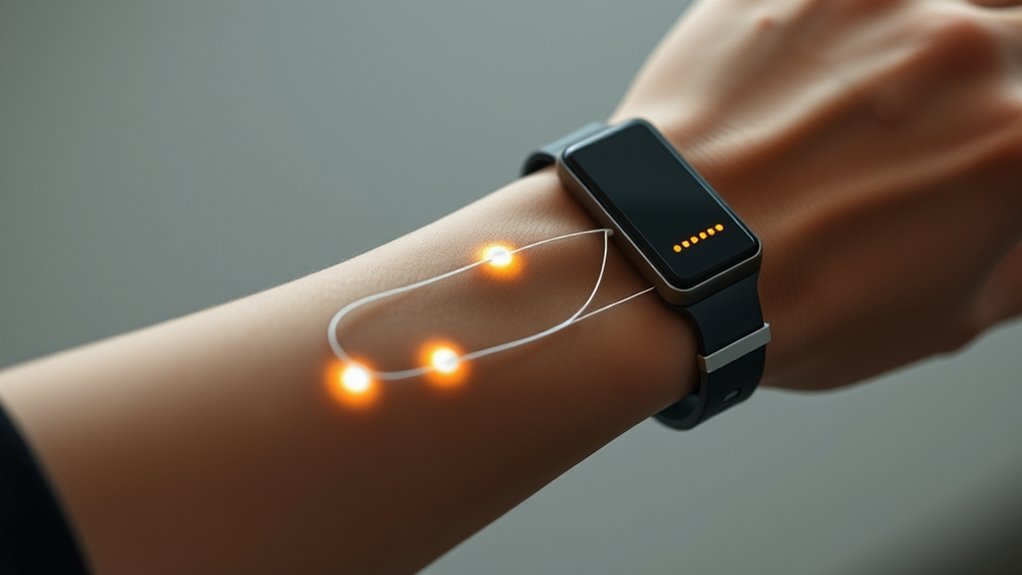
Wearable biosensors are compact devices that continuously monitor your health by detecting specific biological signals. They might track your heart rate, hydration levels, stress, sleep quality, or even blood sugar, providing real-time insights that help you make informed decisions about your wellness. As you wear these devices daily, it’s important to understand that the data they collect is sensitive. Data privacy becomes a primary concern—knowing how your information is stored, used, and protected is essential. Reputable manufacturers implement encryption and strict data policies to prevent unauthorized access, giving you peace of mind that your health details stay secure. Always review privacy policies and choose devices with transparent data handling practices to guarantee your information remains confidential.
Sensor calibration is another fundamental aspect of wearable biosensors. These devices rely on highly precise sensors that need regular calibration to maintain accuracy. If calibration drifts over time, the readings could become unreliable, leading to misguided health assessments. Many biosensors include automatic calibration features or prompts to recalibrate periodically, ensuring consistent performance. You should also be aware of the importance of proper device placement; incorrect positioning can affect sensor readings, impacting the data’s reliability. Regularly updating the device’s firmware and following manufacturer instructions help keep sensors functioning accurately. When sensors are properly calibrated, the wearable provides you with trustworthy data, enabling better management of your health goals. Additionally, understanding data accuracy is crucial to making informed health decisions based on your device’s readings.

The Wearable Health Revolution: How Smart Devices Are Quietly Reshaping Wellness and Medicine
As an affiliate, we earn on qualifying purchases.
As an affiliate, we earn on qualifying purchases.
Frequently Asked Questions
How Accurate Are Wearable Biosensors Compared to Lab Tests?
Wearable biosensors are generally quite accurate, especially when they undergo lab validation and proper calibration. You can trust their readings for daily monitoring, but they might not match the precision of lab tests for medical diagnoses. Calibration accuracy improves their reliability, though factors like movement or environmental conditions can affect results. Overall, they provide useful, real-time insights, but for critical health decisions, confirm with lab tests.
Can Wearable Biosensors Detect Mental Health Conditions?
Like the myth of Icarus, wearable biosensors soar high but have limitations. They can assist with mental health monitoring by detecting changes in heart rate or stress indicators, yet they can’t diagnose conditions. While they offer valuable insights, biosensor limitations mean you shouldn’t rely solely on them. Use these devices as part of a broader approach, combining professional help and self-awareness for a more accurate understanding of your mental health.
What Is the Battery Life of Most Wearable Biosensors?
Most wearable biosensors offer a battery longevity of one to seven days, depending on their features and usage. You can optimize power management by turning off unnecessary functions and reducing screen brightness. Advanced models with efficient power management systems may last longer, while frequent data syncing or continuous monitoring can shorten battery life. To guarantee continuous tracking, choose devices with good battery longevity and practice smart power management.
Are Wearable Biosensors Suitable for Children or Elderly Users?
Yes, wearable biosensors can be suitable for children and elderly users when designed with safety in mind. They help with child safety by monitoring essential signs and activity levels, alerting caregivers to potential issues. For elderly monitoring, these devices provide real-time health updates and fall detection, enhancing safety and independence. Guarantee the device is comfortable, easy to use, and meets safety standards to maximize benefits for these vulnerable groups.
How Secure Is the Data Collected by Wearable Biosensors?
The data collected by wearable biosensors is generally secure, thanks to data encryption methods that safeguard your information from unauthorized access. However, privacy concerns still exist, as sensitive health data could potentially be exposed if security measures are weak. You should stay informed about the device’s security features, regularly update software, and choose trusted brands to help ensure your data remains private and protected.

NIX Hydration Biosensor Starter Kit – Wearable Sweat Sensor for Athletes
- Real-Time Hydration Alerts: Personalized hydration data sent to devices
- Sweat-Powered, Non-Invasive: Analyzes sweat for hydration insights without needles
- Minimal Sweat Requirement: Requires only 4.5 microliters of sweat
As an affiliate, we earn on qualifying purchases.
As an affiliate, we earn on qualifying purchases.
Conclusion
Wearable biosensors are revolutionizing how you monitor your health, providing real-time insights into stress, hydration, and more. They empower you to make informed decisions and stay proactive about your well-being. As technology advances, you’ll wonder how you ever managed without them. Isn’t it time you took control of your health data and embraced this new era of personalized monitoring? The future of wellness is in your hands—are you ready to seize it?

Lingo Continuous Glucose Monitor (CGM) 2-Pack. 24/7 Glucose Tracking
- HSA/FSA Eligible: No prescription needed
- Continuous Glucose Monitoring: 24/7 glucose tracking via app
- Personalized Nutrition Insights: Learn which foods affect your glucose
As an affiliate, we earn on qualifying purchases.
As an affiliate, we earn on qualifying purchases.
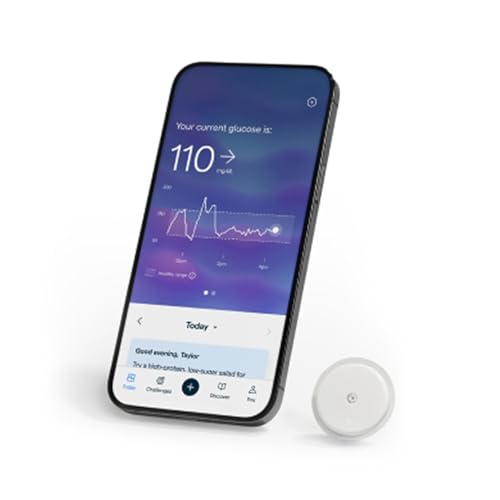
Lingo Continuous Glucose Monitor (CGM). 24/7 Glucose Tracking
- HSA/FSA Eligible: No prescription needed
- Continuous Glucose Monitoring: 24/7 glucose tracking via app
- Nutrition Optimization: Identify foods affecting glucose levels
As an affiliate, we earn on qualifying purchases.
As an affiliate, we earn on qualifying purchases.