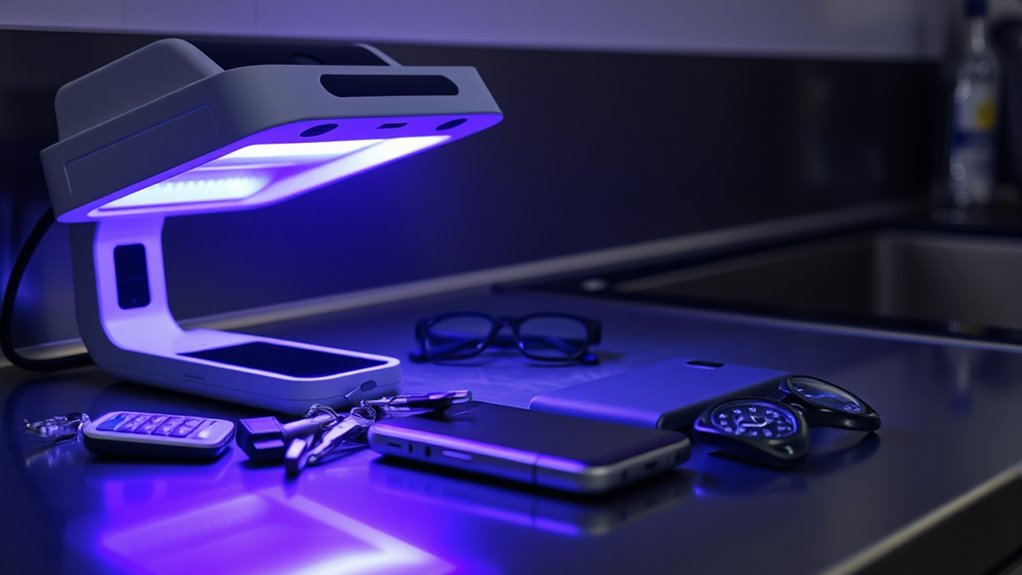
UV sanitization uses UV-C light to quickly disinfect high-touch surfaces like phones, doorknobs, and countertops. When you position a UV device over these areas, the light penetrates and destroys bacteria, viruses, and other microbes without chemicals. It’s an effective, chemical-free way to enhance hygiene and reduce germs in busy environments. Proper safety precautions are essential to avoid UV exposure, and if you keep exploring, you’ll discover more about how these devices work and their benefits.
Key Takeaways
- UV-C light destroys bacteria and viruses by damaging their DNA or RNA, preventing reproduction.
- UV sanitization is effective on high-touch surfaces like electronics, doorknobs, and countertops.
- Proper device positioning and safety precautions are essential to avoid skin and eye exposure.
- UV sterilization offers a quick, chemical-free method to complement traditional cleaning routines.
- Limitations include potential health risks from direct UV exposure and the need for correct usage for optimal results.

UV sanitization uses ultraviolet light to eliminate bacteria, viruses, and other microorganisms from surfaces and air. This method harnesses UV light technology to target pathogens that can linger on high-touch surfaces, making it an effective tool for reducing the spread of germs in various environments. When you utilize UV sanitization, you’re relying on a proven approach that disrupts the DNA or RNA of microbes, rendering them inactive and unable to reproduce. This process is especially useful for disinfecting items and surfaces that are difficult to clean manually, such as electronics, countertops, and doorknobs.
Surface sterilization through UV light is fast and chemical-free, which means you don’t need to worry about residual chemicals or allergens. When you set up a UV sterilization device, it emits UV-C light, a specific wavelength known for its germicidal properties. As the light reaches the surfaces, it effectively destroys the microorganisms present. Unlike traditional cleaning, which often requires scrubbing and multiple products, UV light technology offers a quick, automated solution. You simply position the device over the area, turn it on, and let the UV light do its work. This makes it ideal for busy households, offices, or healthcare settings where maintaining hygiene standards is critical.
UV sanitization is particularly advantageous because it can reach into crevices and hard-to-clean areas that often harbor bacteria and viruses. Since UV light works without physical contact, you don’t have to worry about scratching delicate surfaces or spreading germs through wiping. Instead, the UV photons penetrate the microbial cells’ outer layers and compromise their genetic material. The result is a rapid and thorough surface sterilization that considerably reduces microbial load. This approach complements traditional cleaning methods, providing an added layer of protection.
You should also know that UV light technology is constantly improving, with newer devices offering larger coverage areas and safer operation features. When used correctly, UV sanitization can be a powerful tool for maintaining a healthier environment, especially in high-touch zones like kitchens, bathrooms, and public spaces. It’s important to follow safety guidelines since UV-C light can be harmful to skin and eyes if directly exposed. Proper usage ensures maximum effectiveness while keeping you safe. Additionally, understanding the contrast ratio of a device can help you select the most effective UV sterilizer for your needs. Overall, incorporating UV sanitization into your routine can give you peace of mind, knowing that you’re actively reducing the risk of germ transmission on everyday surfaces.
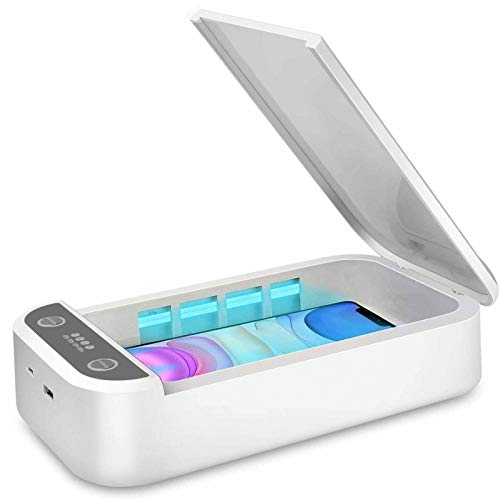
Watolt UV Light Sanitizer – Cell Phone Sanitizer Cleaner Box for Smartphone iPhone
CELL PHONE UV SANITIZER – This UV cell phone sanitizer is a convenient and safe way to sanitize…
As an affiliate, we earn on qualifying purchases.
As an affiliate, we earn on qualifying purchases.
Frequently Asked Questions
Are UV Sanitizers Safe for Everyday Household Use?
Yes, UV sanitizers are generally safe for household applications if you follow UV safety guidelines. You should avoid direct skin or eye exposure to UV light, as it can cause harm. Always use devices according to the manufacturer’s instructions, keep them out of children’s reach, and guarantee proper ventilation. When used correctly, UV sanitizers effectively disinfect high-touch surfaces, making them a convenient and safe addition to your household cleaning routine.
How Long Does UV Light Take to Disinfect Surfaces Effectively?
UV light typically takes about 10 to 30 minutes to effectively disinfect surfaces, but this depends on UV exposure duration and surface material effects. Thinner, non-porous surfaces need less time, like a quick flash, while thicker or porous materials may require longer exposure. Think of UV light as a diligent worker, needing enough time to make sure every nook and cranny is sanitized, so patience is key for thorough cleaning.
Can UV Light Eliminate All Types of Bacteria and Viruses?
UV light can eliminate many bacteria and viruses, but it doesn’t work on all types. The effectiveness depends on the UV wavelength used, typically around 200-280 nanometers, which damages microbial DNA. However, some microbes have microbial resistance, making them harder to kill. You should guarantee proper exposure time and wavelength, as certain pathogens may require higher doses or longer treatment to be fully eradicated.
Are There Any Health Risks Associated With UV Light Exposure?
UV light safety is important to consider because skin exposure to UV rays can cause burns and increase skin cancer risk. You should avoid direct contact with UV light sources, especially during operation. Always follow manufacturer instructions, wear protective gear, and ensure the UV device is turned off before handling. Proper precautions protect you from potential health risks associated with UV light exposure while still enjoying its disinfecting benefits.
How Does UV Sanitization Compare to Chemical Disinfectants?
UV sanitization disinfects surfaces quickly without chemical residues, making it safer for you and the environment. Unlike chemical disinfectants, which can leave residues and have a higher environmental impact, UV light uses no chemicals and minimizes waste. You can rely on UV sanitization for a non-toxic, eco-friendly solution that effectively kills germs on high-touch surfaces, reducing health risks without polluting your surroundings or exposing yourself to harmful residues.

UV Light Sanitizer, Portable UV Light Disinfection Lamp USB Rechargeable Ultraviolet Light Sanitizer for Home Hotel Travel Car Kills 99% of Germs Viruses & Bacteria UV Light Sanitizer Wand 1 Pack
❤❤Wide Application ❤❤: UV light sanitizer suitable for home, office, business trip, travel, car. The UV wand protects…
As an affiliate, we earn on qualifying purchases.
As an affiliate, we earn on qualifying purchases.
Conclusion
Think of UV sanitization as a powerful lighthouse guiding your high-touch surfaces safely through the fog of germs. Just as a lighthouse beams light to steer ships away from danger, using UV light helps you navigate a cleaner, healthier environment. Embrace this modern beacon of technology, and let it illuminate your path to safer spaces. With UV sanitization, you’re steering clear of unseen threats, ensuring your surroundings stay bright and germ-free.

Dailytop Home Disinfection Device, UV Light Sanitizer for Dust Mites,UVC Light for Room,Ultraviolet Light with 3- Speed Timing and Remote Control,38W UV Lamp for Home
IDEAL CHOICE WITH EXCELLENT SERVICE – Our product comes with a 30-day return policy and a 12-month free…
As an affiliate, we earn on qualifying purchases.
As an affiliate, we earn on qualifying purchases.
Watolt UV Light Sanitizer – Cell Phone Sanitizer Cleaner Box for Smartphone iPhone
CELL PHONE UV SANITIZER – This UV cell phone sanitizer is a convenient and safe way to sanitize…
As an affiliate, we earn on qualifying purchases.
As an affiliate, we earn on qualifying purchases.