

To sharpen your memory at any age, engage in brain exercises like puzzles, learning new skills, and practicing mnemonic techniques such as acronyms or visual imagery. Consistently challenging your brain encourages neuroplasticity, helping you create new neural connections for better recall and cognitive flexibility. Incorporate these activities into your daily routine, stay socially active, and explore new hobbies. Keep going — you’ll discover how simple habits can boost your mental sharpness over time.
Key Takeaways
- Engage in challenging cognitive activities like puzzles, learning a new language, or playing an instrument regularly.
- Practice mnemonic techniques such as acronyms, vivid imagery, and associations to improve memory encoding and recall.
- Incorporate daily brain exercises like mindfulness, reading, or social interactions to promote neuroplasticity.
- Use visual and spatial memory aids to enhance retention of names, dates, and complex information.
- Consistently dedicate time to mental challenges to strengthen neural connections and maintain cognitive agility at any age.

Keeping your mind sharp is possible at any age, especially when you incorporate targeted brain exercises into your daily routine. One of the most effective approaches involves neuroplasticity training, which harnesses your brain’s ability to reorganize itself by forming new neural connections. By consistently challenging your brain with new and complex tasks, you stimulate neuroplasticity, helping to improve memory, learning, and overall cognitive function. For example, learning a new language, playing a musical instrument, or engaging in problem-solving activities can all serve as neuroplasticity training. These activities push your brain beyond its comfort zone, encouraging it to adapt and grow stronger over time.
Challenging your brain with new skills fosters neuroplasticity and boosts memory at any age.
In addition to neuroplasticity training, mnemonic techniques are powerful tools for enhancing memory. These strategies help encode information more effectively, making recall easier and more reliable. For instance, you can use acronyms to remember lists or create vivid mental images to connect with specific concepts. When you associate new information with familiar images or patterns, you tap into your brain’s natural tendency for visual and spatial memory, markedly boosting retention. Mnemonic techniques are especially useful for memorizing names, dates, or complex data, and they can be tailored to your personal preferences, making the process both fun and effective.
Integrating these methods into your routine doesn’t require hours of effort each day. Simple, consistent practice is key. Dedicate a few minutes daily to neuroplasticity exercises—like solving puzzles, practicing mindfulness, or learning something new—and incorporate mnemonic techniques whenever you need to memorize important information. Over time, you’ll notice your ability to recall details improves, and your overall cognitive agility increases. Combining neuroplasticity training with mnemonic strategies creates a powerful synergy that enhances your brain’s capacity to adapt and remember.
Furthermore, staying mentally active isn’t just about formal exercises. Engage in social activities, read regularly, and challenge yourself with new hobbies. These activities naturally stimulate your brain’s plasticity and reinforce your memory skills. Remember, your brain remains adaptable throughout your life, and with deliberate effort, you can sharpen your memory at any age. By making neuroplasticity training and mnemonic techniques part of your daily habits, you’re investing in a sharper, more agile mind today and for years to come.

The Easy and Relaxing Memory Activity Book for Adults: Includes Relaxing Memory Activities, Easy Puzzles, Brain Games and More
As an affiliate, we earn on qualifying purchases.
As an affiliate, we earn on qualifying purchases.
Frequently Asked Questions
Can Brain Exercises Reverse Age-Related Memory Decline?
While brain exercises can’t fully reverse age-related memory decline, they can markedly improve your memory retention and cognitive sharpness. By engaging in activities that leverage neuroplasticity benefits, you strengthen neural connections and foster new ones. Incorporate memory retention techniques like puzzles, learning new skills, or mental games into your routine. These efforts help maintain and even enhance your memory, keeping your brain healthier and more resilient as you age.
Are There Any Risks Associated With Intense Brain Training?
You might wonder if intense brain training has risks. It can cause mental fatigue and overstimulation, making you feel exhausted or anxious. Overdoing exercises might also lead to frustration or burnout, reducing your motivation. To stay safe, balance challenging activities with rest and relaxation. Listening to your body helps prevent negative effects, ensuring that your mental workouts remain beneficial without overwhelming your mind.
How Long Does It Take to See Memory Improvements?
Research shows that consistent practice can lead to noticeable memory improvements in just four to six weeks. With neuroplasticity research highlighting your brain’s ability to adapt, you start seeing benefits sooner than you might think. Using effective memory retention strategies and challenging your brain regularly accelerates this process. So, if you stick with it, you could observe sharper memory and better cognitive function within a month or so.
Do Brain Exercises Work for People With Cognitive Impairments?
You might wonder if brain exercises work for those with cognitive impairments. The answer is yes; they can promote brain plasticity and enhance cognitive stimulation. Regular, tailored exercises help strengthen neural connections, improving memory and thinking skills. While progress varies, consistent mental activity supports brain health, even in impairments. So, engaging in these exercises offers hope and potential benefits, encouraging you to stay active mentally regardless of your cognitive challenges.
What Are the Best Brain Exercises for Busy Lifestyles?
Ever wonder how to boost mental agility and focus when you’re constantly busy? You can do quick brain exercises like listening to challenging podcasts, playing brain-teasing apps during short breaks, or practicing mindfulness for focus enhancement. These activities fit into tight schedules and help sharpen your memory. Incorporate them into your day to stay mentally sharp without sacrificing your productivity. Isn’t your brain worth a few minutes of your time?
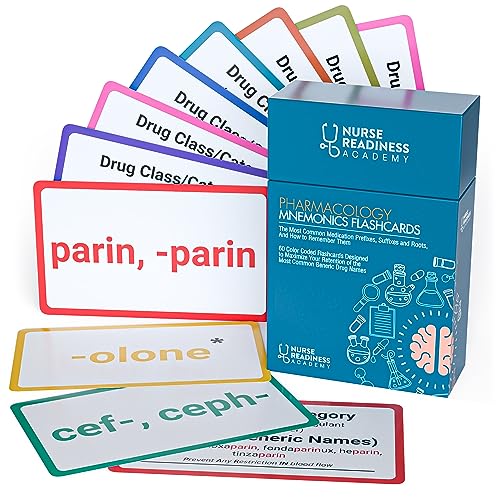
Pharmacology Mnemonics Flashcards: 60 Color Coded Flashcards for Learning the Most Common Generic Drug Names – for Nursing Students, Pharmacy Techs, and Med Students
- Simplifies Complex Pharmacology: Condenses essential info into easy-to-digest cards
- Builds Confidence: Helps master concepts and participate confidently
- Enhances Memory Retention: Uses mnemonics and acronyms for easy recall
As an affiliate, we earn on qualifying purchases.
As an affiliate, we earn on qualifying purchases.
Conclusion
By regularly challenging your brain with exercises like puzzles or learning a new language, you can keep your memory sharp at any age. Imagine Sarah, a 65-year-old retiree, who started doing daily crosswords—her memory improved, and she confidently remembers her grandchildren’s names and stories. Just like Sarah, you can boost your brainpower by staying active mentally. So don’t wait—start today and enjoy a sharper mind tomorrow!

Neuro-Agility: Cross-Training Your Brain for Focus & Recall: 100+ large print puzzles — word searches, mazes and sudoku
As an affiliate, we earn on qualifying purchases.
As an affiliate, we earn on qualifying purchases.

Life Enhancement Memory Upgrade
- Contains Essential Vitamins and Minerals: Includes Vitamin C, E, B complex, minerals, and amino acids
- Easy Drink Mix: Mix one tablespoon with water or juice
- Versatile Serving Options: Serve over ice or as desired
As an affiliate, we earn on qualifying purchases.
As an affiliate, we earn on qualifying purchases.