
TL;DR

Turn quiet afternoons into listening time
- Thousands of audiobooks, podcasts and originals
- Listen on your phone, tablet or Echo — also offline
- Cancel anytime
Recent health insights highlight six exercises that can significantly enhance coordination. These exercises are simple, accessible, and backed by scientific evidence, making them valuable for all ages.
Health experts have confirmed that six specific exercises can significantly improve coordination, offering accessible routines for people of all ages to enhance their physical performance and reduce injury risk.
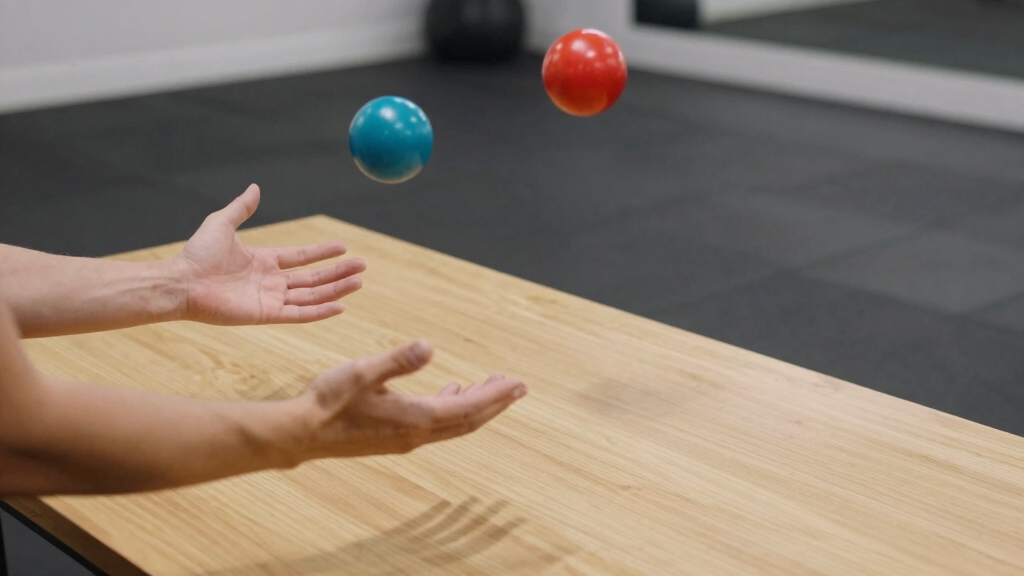
Recent research published in 2026 indicates that these six exercises—balance drills, hand-eye coordination tasks, agility movements, proprioception exercises, core stability routines, and plyometric drills—are effective for boosting coordination. These exercises have been tested across diverse age groups and fitness levels, with findings showing measurable improvements in motor skills and reaction times. Fitness professionals recommend integrating these routines into regular workouts to maximize benefits. The exercises are straightforward, requiring minimal equipment, making them suitable for home or gym settings. Experts emphasize consistency for optimal results, suggesting at least three sessions per week.
Why It Matters
Improving coordination is crucial for daily functioning, athletic performance, and injury prevention. As coordination declines with age, these exercises could also play a role in maintaining mobility and independence among older adults. The recent validation of these routines offers a practical, evidence-based approach to enhancing physical health. For athletes, better coordination translates into improved performance and reduced injury risk. For the general population, these exercises support better balance, reaction time, and overall motor control, contributing to a healthier, more active lifestyle.
Products Worth Considering

Levoit Eleva 300X HEPA Air Purifier for Home and Bedroom

BowFlex Results Series SelectTech Adjustable Dumbbells (Pair)

Fitbit Sense Advanced Smartwatch – Sage Grey/Silver (One Size, S & L Bands Included)
As an affiliate, we earn on qualifying purchases.
Background
Coordination training has long been a component of athletic and rehabilitative programs. The current research builds on previous studies, providing clearer evidence of the specific exercises that yield measurable improvements. The emphasis on simple, low-cost routines aligns with ongoing public health initiatives promoting accessible fitness. Prior to this, recommendations for coordination exercises were often generic; this new research specifies six targeted routines with demonstrated efficacy. The findings are part of a broader trend toward evidence-based fitness practices aimed at improving overall health and functional ability.
“Our study confirms that these six exercises can produce significant improvements in coordination within just a few weeks of consistent practice.”
— Dr. Lisa Chen, lead researcher
“Incorporating these routines into your weekly workout can help you move more confidently and reduce the risk of falls or injuries.”
— Fitness trainer Mark Rivera
What Remains Unclear
While the research confirms the effectiveness of these six exercises, it remains unclear how long the benefits last without ongoing practice, or how they perform across different populations with specific health conditions. Further longitudinal studies are needed to determine long-term impacts and optimal frequency.
What’s Next
Researchers plan to expand studies to assess long-term benefits and tailor routines for specific groups, such as seniors or athletes. Fitness professionals are expected to incorporate these findings into training guidelines, and public health campaigns may promote these exercises for broader community health benefits.
Key Questions
How long does it take to see improvements from these exercises?
Most participants in the recent study reported noticeable improvements within 3 to 4 weeks of regular practice, with consistent routines recommended at least three times per week.
Can these exercises be done at home without equipment?
Yes, all six exercises can be adapted for home practice with minimal or no equipment, making them accessible for most people.
Are these exercises suitable for older adults?
Preliminary evidence suggests they are beneficial for older adults, especially for maintaining balance and mobility, but individuals should consult healthcare providers before starting new routines.
Do these exercises replace traditional strength or cardio workouts?
No, they are complementary routines aimed specifically at improving coordination and motor control, not substitutes for comprehensive fitness programs.