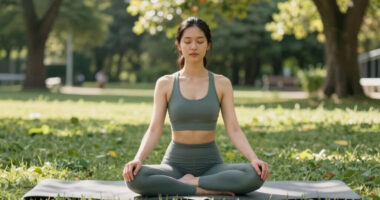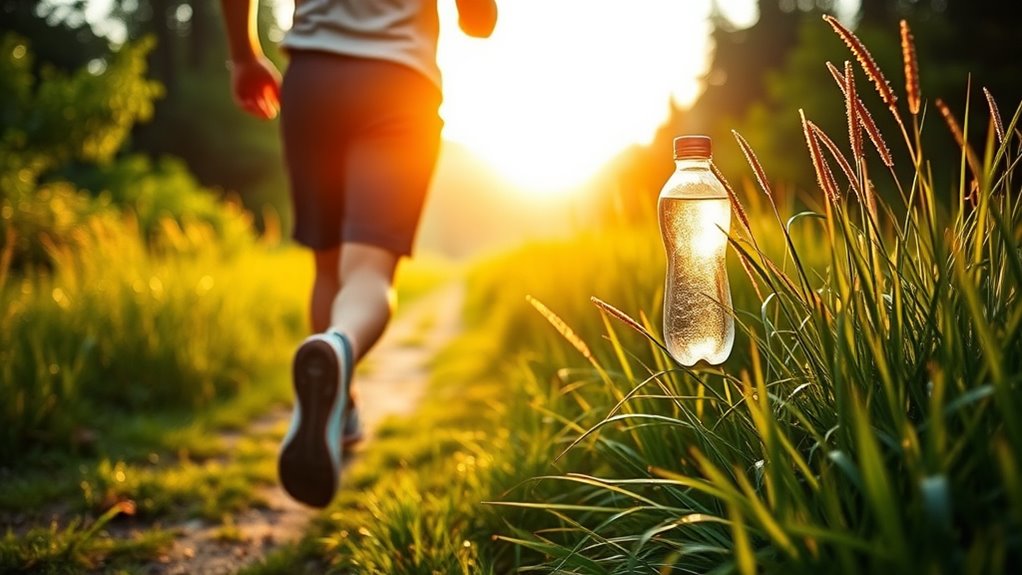
Staying hydrated during exercise is vital for your safety and performance. Drink water before you start to guarantee proper hydration, sip regularly during activity—especially if it lasts over 30 minutes—and replenish lost fluids with water or electrolyte drinks afterward. Pay attention to factors like your body size, workout intensity, and weather conditions, as they influence your needs. To maximize safety and results, understanding hydration deeper will help you make smarter choices every time you exercise.

Turn quiet afternoons into listening time
- Thousands of audiobooks, podcasts and originals
- Listen on your phone, tablet or Echo — also offline
- Cancel anytime
Key Takeaways
- Hydrate before, during, and after exercise to maintain fluid balance and prevent dehydration.
- Sip fluids regularly during workouts, especially over 30 minutes, to stay hydrated and optimize performance.
- Replenish lost electrolytes with electrolyte drinks post-exercise to support recovery and muscle function.
- Adjust fluid intake based on body size, workout intensity, and weather conditions to meet individual needs.
- Avoid overhydration to prevent hyponatremia; listen to thirst cues and balance water intake with electrolytes.
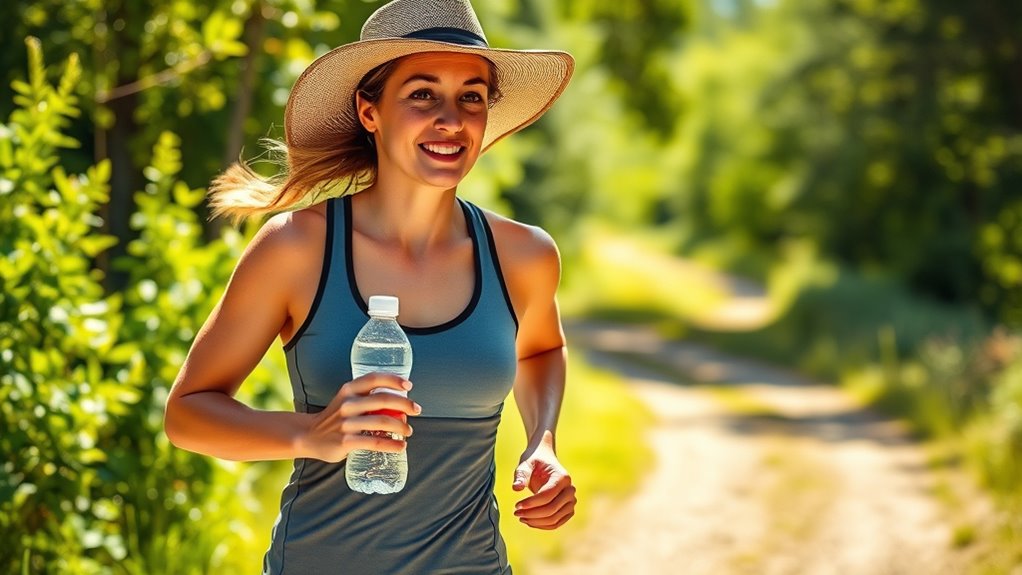
Hydration timing plays a crucial role in how well your body responds to exercise. Drinking water before, during, and after activity helps maintain fluid levels, but the timing and amount matter. Before you start exercising, hydrate adequately so you begin with optimal fluid levels. About 15-30 minutes prior, have a glass of water or a sports drink with electrolytes if you’re planning a longer workout. During exercise, aim to sip fluids regularly—roughly every 15-20 minutes—especially if your session exceeds 30 minutes or is particularly intense. This steady intake prevents dehydration and helps preserve electrolyte balance. After your workout, rehydrate with water or an electrolyte-rich beverage to replace lost fluids and minerals. This approach ensures your body recovers efficiently and reduces the risk of post-exercise cramps or fatigue. Incorporating mindful hydration practices can also support your overall physical health and improve your yoga practice by maintaining optimal muscle and joint function.
Understanding your personal hydration needs is key. Factors like body size, workout intensity, weather conditions, and sweat rate influence how much fluids and electrolytes you require. If you tend to sweat heavily, consider sports drinks that contain electrolytes rather than plain water. These drinks help replenish lost minerals and support muscle function. Remember, overhydration can be just as problematic as dehydration, leading to a condition called hyponatremia—where sodium levels become dangerously low. To avoid this, listen to your body’s thirst cues and don’t force excessive amounts of fluids.
As an affiliate, we earn on qualifying purchases.
Frequently Asked Questions
How Does Dehydration Affect Athletic Performance?
Dehydration markedly impacts your athletic performance by impairing your body’s ability to regulate temperature and maintain fluid retention. When you’re dehydrated, your thirst mechanisms activate, prompting you to drink more, but if neglected, performance declines. You may experience fatigue, cramps, or dizziness, which hinder your ability to perform at your best. Staying properly hydrated ensures your body can efficiently manage fluid retention, keeping you energized and resilient during physical activity.
Can Overhydration Be Dangerous During Exercise?
Overhydration is like walking a tightrope—you could slip into danger. During exercise, drinking too much water can cause water intoxication and electrolyte imbalance, which can be life-threatening. When you overhydrate, your body’s sodium levels drop, leading to symptoms like nausea or confusion. Always listen to your thirst cues and balance water intake with electrolytes, so you stay safe and avoid the risks of overhydration.
What Are Signs of Dehydration to Watch For?
You should watch for signs of dehydration like dry mouth, dizziness, and dark urine. To stay properly hydrated, maintain consistent fluid intake and pay attention to hydration timing before, during, and after exercise. Thirst isn’t always the best indicator, so proactively drinking water helps prevent dehydration. If you notice symptoms worsening, it’s important to rest and rehydrate to stay safe and perform your best.
How Does Electrolyte Balance Impact Hydration?
Electrolyte balance is key for proper hydration because it influences electrolyte regulation and fluid absorption. When your electrolytes, like sodium and potassium, are balanced, your body absorbs fluids efficiently, keeping you hydrated and supporting muscle function. If electrolytes are off, you might struggle with dehydration symptoms or cramps. Ensuring you replenish electrolytes during exercise helps maintain this balance, so your body can absorb fluids effectively and stay hydrated.
Should Hydration Strategies Change With Weather Conditions?
Did you know that dehydration risk increases by up to 50% in hot weather? Yes, climate-specific hydration is essential, and you should make seasonal hydration adjustments. When it’s hot, drink more fluids and include electrolytes; in cold weather, you might need less but still stay vigilant. Adjust your hydration plan based on weather conditions to prevent dehydration and stay safe during exercise year-round.
As an affiliate, we earn on qualifying purchases.
Conclusion
Now that you know the importance of staying hydrated during exercise, imagine pushing yourself further—but only if you’re prepared. Will you recognize the signs of dehydration before it’s too late? Your next workout depends on it. Don’t wait until you’re feeling drained or dizzy. Stay ahead, listen to your body, and keep sipping water. Because when it comes to your health, a simple step could make all the difference—are you ready to take it?
As an affiliate, we earn on qualifying purchases.
reusable water bottles for athletes
As an affiliate, we earn on qualifying purchases.
As an affiliate, we earn on qualifying purchases.
Fall Picks
fall essentials
As an affiliate, we earn on qualifying purchases.