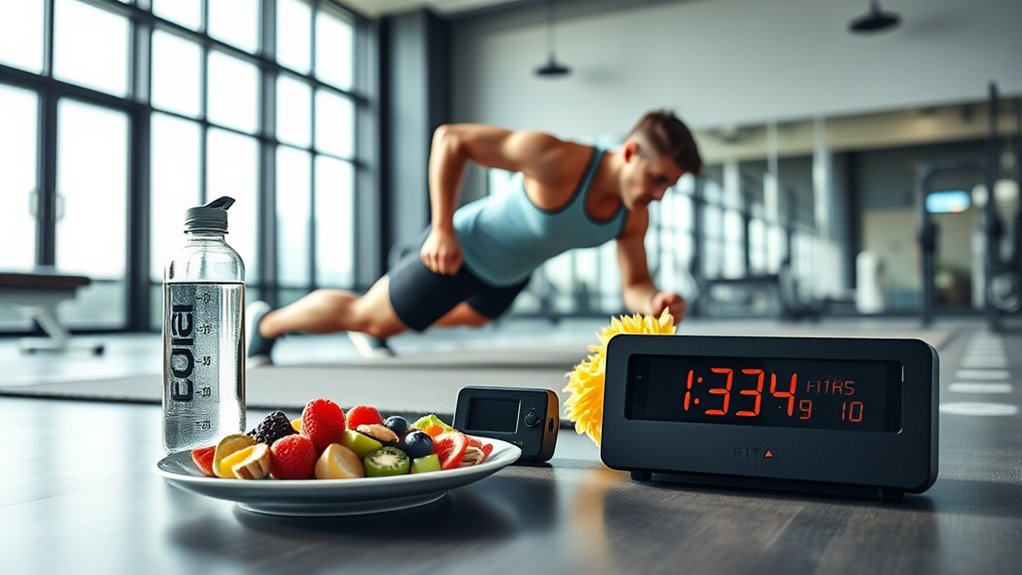

To optimize exercise with intermittent fasting, schedule your workouts during eating windows when possible, so your body has nutrients for energy, muscle support, and recovery. Training before fasting can boost fat burning but may reduce stamina, while exercising after meals enhances performance. Lighter activities are better during fasted states to prevent fatigue. Adjust your timing based on how your body responds, and if you want detailed strategies, you’ll find more useful tips below.
Key Takeaways
- Schedule workouts during feeding windows to optimize energy, muscle recovery, and glycogen replenishment.
- Perform light to moderate exercise in a fasted state to enhance fat burning while avoiding fatigue.
- Consume balanced meals before workouts for improved performance and post-exercise protein for muscle repair.
- Hydrate adequately before, during, and after exercise to prevent dehydration and support recovery.
- Personalize workout timing based on individual goals, energy levels, and responses to fasting and exercise.

Intermittent fasting has become a popular approach for improving health and managing weight, but combining it with exercise can raise questions about safety and effectiveness. When it comes to meal timing and workout strategies, you’ll need to consider how fasting periods influence your energy levels and performance. The key is to plan your workouts around your eating windows to maximize benefits and minimize fatigue. For example, if you follow a 16/8 fasting schedule—fasting for 16 hours and eating within an 8-hour window—you might find it most effective to schedule high-intensity workouts during your feeding period. This way, you can fuel your body with nutrients beforehand and recover afterward, supporting muscle growth and replenishing glycogen stores.
If you prefer to exercise in a fasted state, typically in the morning before breaking your fast, you’ll likely notice a different energy pattern. Some people find that fasted workouts boost fat burning, as their bodies tap into stored fat for energy. However, you might also experience decreased strength or endurance, especially during intense sessions. To adapt, start with moderate-intensity workouts and see how your body responds. Over time, you might find that your stamina improves, or you may choose to switch to lighter activities such as walking or yoga during fasting periods to prevent exhaustion.
Meal timing plays a pivotal role in how your body responds to exercise during intermittent fasting. Consuming a balanced meal rich in carbs, protein, and healthy fats right before your workout can enhance your energy and performance. Conversely, if you’re exercising after a longer fast, consider breaking your fast with a nutritious post-workout meal that prioritizes protein for muscle repair and carbs to replenish glycogen. This approach ensures you’re supporting your body’s recovery process without compromising your fasting goals. Additionally, understanding how resources support overall health can help you tailor your fasting and exercise routines for sustainable results.
Furthermore, hydration is essential when combining fasting and exercise. Since you’re not eating as frequently, you need to pay extra attention to drinking enough water to stay hydrated, especially around workouts. Electrolyte supplements might also help if you’re engaging in extended or intense sessions, as they help maintain balance and prevent cramping.
Ultimately, the best approach depends on your personal goals, energy levels, and how your body reacts to fasting and exercise. Some find that working out during their eating window yields better performance, while others prefer fasted sessions for fat loss. Experiment with different meal timing and workout strategies to discover what works best for you, paying close attention to your body’s signals and adjusting accordingly.

SlimFast Hydration Packets, Intermittent Fasting Electrolytes, Drink Mix Packets, Intermittent Fasting Powder, Energy Powder Drink Mix, Caffeine, Electrolytes for Hydration, Fruit Punch (12 Count)
WON'T BREAK YOUR FAST – SlimFast Energizing Hydration Supplemental drink mix jazzes up your hydration with electrolytes and…
As an affiliate, we earn on qualifying purchases.
As an affiliate, we earn on qualifying purchases.
Frequently Asked Questions
Can I Do High-Intensity Workouts During Fasting Periods?
Yes, you can do high-intensity workouts during fasting periods, but your fasting endurance and workout performance might be affected. When fasting, your energy levels could dip, making intense exercises more challenging. To optimize your results, listen to your body and consider adjusting workout intensity or timing. If you experience dizziness or fatigue, break your fast or switch to lighter exercises until your fasting endurance improves.
How Does Fasting Impact Muscle Recovery Post-Exercise?
Fasting can be a double-edged sword for muscle recovery, like a river running wild and then calming into a gentle stream. It may slow muscle synthesis if you don’t time your recovery right, since your body needs nutrients post-workout. To optimize recovery timing, consider eating a protein-rich meal soon after exercise, ensuring your muscles get the building blocks they need to repair and grow, even during fasting periods.
Is It Better to Exercise Before or After Eating During Intermittent Fasting?
It’s better to exercise after eating during intermittent fasting because proper meal timing can boost your workout benefits. Eating beforehand provides energy, helping you perform better and sustain intensity. If you prefer fasted workouts, do so cautiously, as your performance might decline without fuel. Ultimately, find a timing that matches your energy levels and goals, ensuring you maximize workout benefits while respecting your fasting schedule.
Are There Specific Fasting Protocols Optimal for Athletic Performance?
For athletic performance enhancement, you should consider athletic fasting protocols that balance fasting periods with fueling strategies. Protocols like time-restricted eating or targeted fasting can boost endurance and recovery. You might find that fasting before intense workouts enhances fat burning, while breaking your fast afterward helps with muscle repair. Experiment to see what suits your training needs best, and listen to your body to achieve ideal performance while maintaining health.
What Are Signs of Overtraining While Fasting Regularly?
Think of your body as a finely tuned machine. Overtraining while fasting shows signs like persistent muscle soreness and energy dips, warning you’re pushing too hard. You may feel exhausted, lose motivation, or notice decreased performance. If you experience these symptoms, it’s a signal to rest, recover, and adjust your workouts. Ignoring these signs risks burnout and injury, so listen to your body’s cues to maintain balance and progress.

Fast Lyte Fasting Electrolyte Supplement Powder | No Sugar Unflavored Raw Electrolytes | 25% RDI Magnesium and Potassium with Trace Minerals | Carnivore & Keto Friendly | Sugar Free Fasting Salts
Fasting supplement powder with 1175mg Potassium, 575mg Sodium, 100mg Magnesium, 25mg Calcium, and over 74 trace minerals and…
As an affiliate, we earn on qualifying purchases.
As an affiliate, we earn on qualifying purchases.
Conclusion
Timing your workouts with your meals is like tuning a fine instrument—you’ll find the harmony that boosts your energy and fat-burning. Whether you exercise during your fast or after eating, listen to your body’s rhythm and adjust accordingly. Remember, consistency is your steady drumbeat on this journey. With patience and mindful planning, you’ll turn intermittent fasting into a powerful symphony of health and fitness, where every note counts toward your goals.
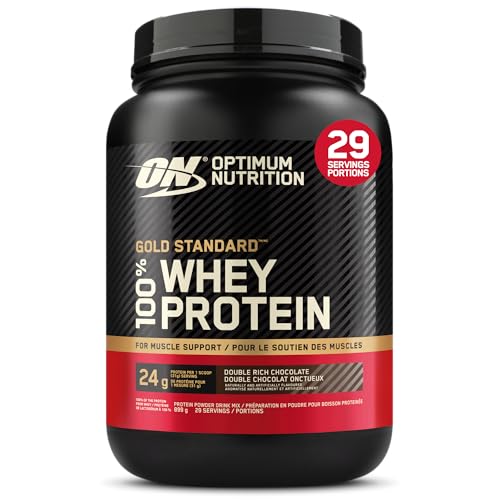
Optimum Nutrition Gold Standard 100% Whey Protein Powder, Double Rich Chocolate 1.98 Pound (Packaging May Vary)
24 g High-Quality Whey Protein per Scoop – 100% of the protein from whey for a fast-absorbing, complete…
As an affiliate, we earn on qualifying purchases.
As an affiliate, we earn on qualifying purchases.

The High Protein Weight Balance Journal: 90-Day Meal Prep Tracker for Busy Women, Minimalist Food Diary with Fitness Goals, Healthy Eating Habits & … Energy (Optimal Health & High Energy Diet)
As an affiliate, we earn on qualifying purchases.
As an affiliate, we earn on qualifying purchases.