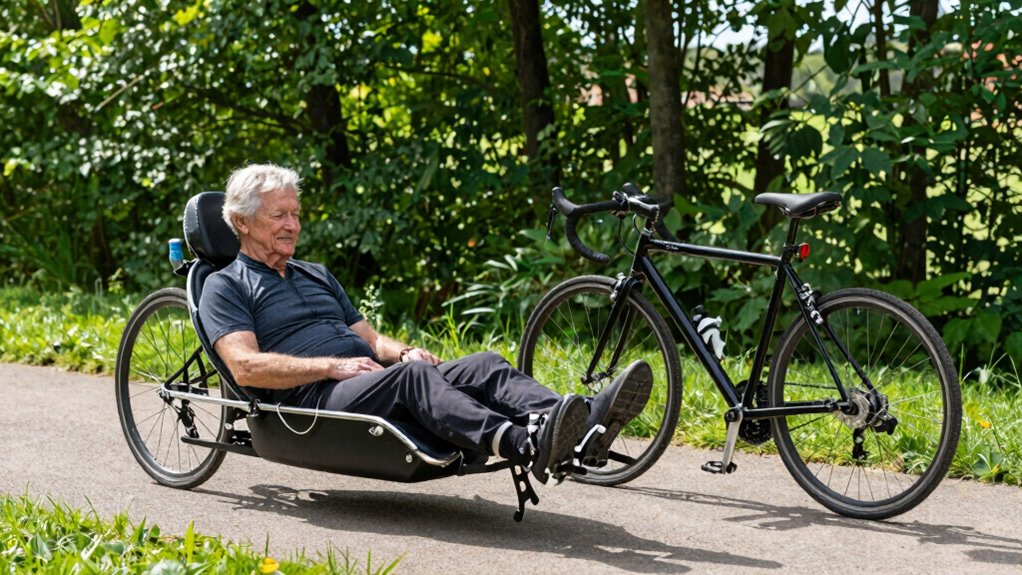
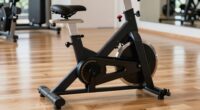
Many seniors believe upright bikes are safer and more natural to ride, but recumbent bikes actually offer better stability, lower back support, and reduced joint stress, making them more comfortable and safer for many. Your choice depends on your fitness goals, space, and budget. Understanding these differences helps you pick the right bike for your needs. Keep exploring, and you’ll discover how to make the best decision for your comfort and safety.
Key Takeaways
- Seniors often assume recumbent bikes are always safer; however, proper ergonomic setup benefits both bike types based on individual needs.
- Upright bikes better mimic outdoor cycling, but may require adjustments to ensure comfort and safety for seniors.
- Cost and space considerations influence bike choice; recumbent bikes are usually more expensive, while upright bikes are more compact.
- Both bikes can support fitness goals, but recumbent bikes excel in low-impact, rehabilitative routines, while upright bikes promote core engagement.
- Safety depends on proper use, not bike type; correct resistance, posture, and protective gear are essential regardless of choice.

Recumbent Exercise Bike for Home Use, Quiet Recumbent Stationary Bikes for Adults & Seniors, 16-Level Resistance, Adjustable Seat, Supports 400LB, Pulse Sensors & LCD Display (Orange-Black)
【Ergonomic Design That Adapts to You】Experience personalized comfort with this recumbent exercise bike featuring a plush padded seat…
As an affiliate, we earn on qualifying purchases.
As an affiliate, we earn on qualifying purchases.
What Are Recumbent and Upright Exercise Bikes?

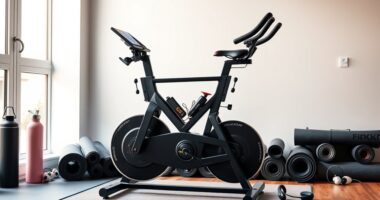
Recumbent and upright exercise bikes are popular options for indoor cardio workouts, but they differ considerably in design and how you use them. Unlike outdoor cycling, which involves balancing and steering terrain, these bikes focus on stationary workouts. The upright bike mimics outdoor cycling with a vertical seating position, engaging core muscles and offering adjustable pedal resistance to challenge you. In contrast, the recumbent bike has a laid-back seat and a larger frame, providing more support and comfort. Pedal resistance on both bikes can be adjusted to increase difficulty, simulating outdoor effort. These differences influence how you target muscles, your comfort level, and workout intensity. Understanding these key distinctions helps you choose the right bike for your fitness needs. Additionally, factors like technology features and ergonomic design can further influence your overall exercise experience. Incorporating muscle engagement strategies can optimize your workout effectiveness on either bike, especially considering how ergonomic design impacts comfort during prolonged use. Moreover, considering health benefits can help you select the most suitable option for your fitness goals. For example, a personal comfort level plays a significant role in maintaining consistent exercise routines.

Birdfeel Foldable Exercise Bike, Multifunctional Indoor Stationary Bikes for Home with 8-Level Magnetic Resistance, Quiet Workout Bike with Arm Resistance Bands, LCD Monitor, 300LBS Capacity (Blue)
8-Level Magnetic Resistance for Full-Body Training: Our upgraded exercise bike features 8-level adjustable magnetic resistance, providing smooth, stable,…
As an affiliate, we earn on qualifying purchases.
As an affiliate, we earn on qualifying purchases.
Which Bike Is Safer and More Comfortable for Seniors?
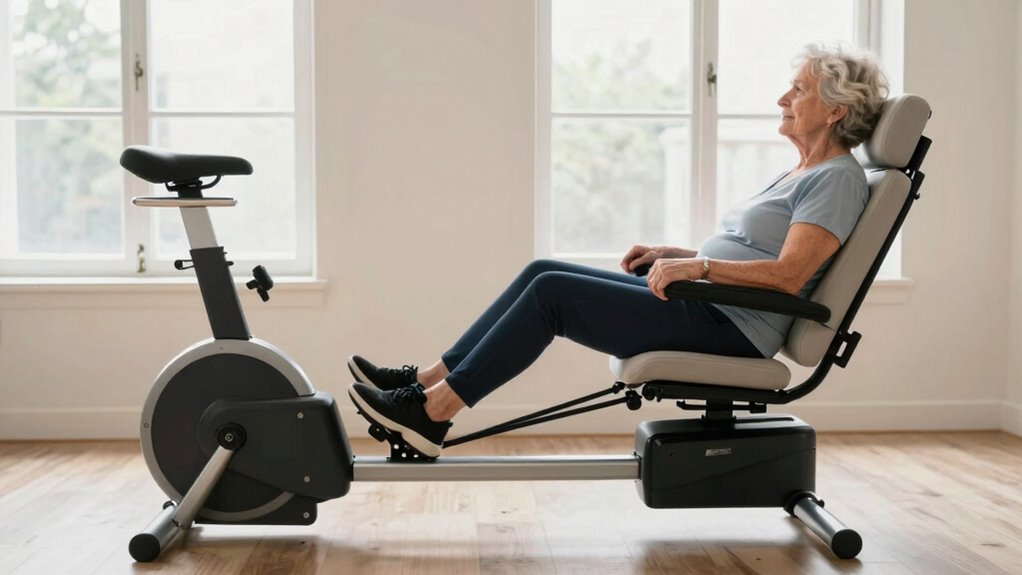
When choosing a bike for seniors, consider how ergonomics and posture affect comfort and safety. Stability and balance are vital to prevent falls, and ease of use can make exercising less stressful. These factors help determine which bike is safer and more comfortable for older adults. For example, recumbent bikes often provide enhanced safety features that reduce the risk of falls compared to upright bikes. Additionally, understanding accessibility features can help seniors select equipment that supports their independence and comfort. Paying attention to ergonomic design can further improve comfort and reduce strain during rides. Recognizing the importance of security and compliance in exercise equipment can also ensure that the bike meets safety standards suitable for seniors. Being aware of ergonomic and safety standards can guide consumers toward more informed choices that prioritize well-being.
Ergonomics and Posture
Because comfort and safety are crucial for seniors, understanding the ergonomic differences between recumbent and upright bikes is essential. Recumbent bikes offer better posture alignment with their ergonomic design, reducing strain on your back and neck. Upright bikes promote a more natural riding position, but you may need to adjust the seat to avoid discomfort. Consider how each bike supports your body:
| Feature | Recumbent Bike | Upright Bike |
|---|---|---|
| Posture alignment | Supports back, reduces strain | More upright, less back support |
| Ergonomic design | Comfortable, seat-back support | Less back support, adjustable seat |
| Comfort level | Generally more comfortable | Can be less comfortable for long rides |
Choosing the right bike depends on your ergonomic needs and how you prefer to sit during exercise. Proper ergonomic setup can further enhance comfort and prevent injuries. Additionally, landscaping in backyard transformation can influence your overall comfort and enjoyment while exercising outdoors. Recognizing your personal ergonomic needs can help you select the most suitable bike for safe and comfortable workouts. Being aware of ergonomic principles can also guide you in customizing your bike for optimal comfort. Being mindful of individual preferences is also important when choosing a bike, as comfort varies from person to person.
Stability and Balance
Stability and balance are critical factors when choosing a bike for seniors, as they directly impact safety and confidence during exercise. A recumbent bike offers a lower center of gravity, making it easier to stay balanced, especially if you have reduced muscle flexibility or impaired coordination. Its supportive seat and backrest help you feel secure, reducing the risk of falls. On the other hand, an upright bike challenges your hand-eye coordination and core stability more, which can improve overall balance over time but may feel less stable initially. If you’re concerned about falling or have limited muscle flexibility, a recumbent bike provides a safer, more stable experience. Both bikes can help improve balance, but your comfort level should guide your choice.
Ease of Use
Choosing the right bike for seniors largely depends on ease of use, safety, and comfort. Recumbent bikes tend to be easier to get on and off, thanks to their lower seat height, making them safer and more accessible. They also offer better support for your back, increasing comfort during longer rides. Upright bikes might feel more familiar but can require more balance and stability, which could be challenging. To stay motivated, you can customize your workout with music, making the ride more enjoyable and engaging. Whether you prefer a recumbent or upright bike, look for models with adjustable features to better suit your needs. Understanding dreams of deceased loved ones can also provide emotional comfort during your fitness journey. Additionally, selecting a bike with ergonomic design can further improve your riding experience by reducing strain and enhancing safety. Incorporating user-friendly features can make your exercise routine more straightforward and less intimidating, encouraging consistency. For seniors, choosing a bike with simple controls can significantly improve ease of use and safety. When selecting a bike, considering environmental considerations, like placement and maintenance, can also enhance your overall experience and longevity of the equipment. Remember, simplicity and comfort help you stay consistent and safe, making your exercise routine more effective and enjoyable.

Sunny Health & Fitness Under Desk Smart Mini Pedal Exerciser, Dual Function Exercise Cycle Bike with Low Profile Design – SF-B023005DGY
【EFFORTLESS EXERCISE FOR EVERYONE】This under-desk pedal exerciser makes it effortless to stay active. The low-impact motion allows you…
As an affiliate, we earn on qualifying purchases.
As an affiliate, we earn on qualifying purchases.
How Do Your Fitness Goals Influence Your Bike Choice?

Your fitness goals shape which bike is right for you, whether you want to build endurance or increase strength. If endurance is your focus, you might prefer a bike that allows longer, steady rides, like a recumbent or upright bike. For injury prevention, consider which design minimizes strain and supports your specific needs. Understanding manipulation tactics can also help you make more informed decisions when choosing your equipment. Additionally, recognizing the different content formats available can help you select the most engaging and effective workout method. Being aware of cost considerations such as initial purchase, setup, and maintenance expenses can further guide you toward a choice that aligns with your budget and commitment level. Incorporating smart fitness technology into your selection process can provide valuable insights and motivation to stay consistent with your goals. Exploring decorative elements like Indonesian masks can add a personalized touch to your workout space, making it more inviting and inspiring.
Impact of Fitness Objectives
When your fitness goals focus on endurance and cardiovascular health, an upright bike might be the better choice because it mimics outdoor cycling and allows for longer, more intense workouts. If you’re aiming for increased stamina, consider motorized options that simulate outdoor riding or indoor cycling classes, which can boost your aerobic capacity. Upright bikes encourage a natural riding position, helping you push your limits with less strain on your back. Conversely, recumbent bikes are often better for low-impact, rehabilitative, or comfort-focused routines. Your specific goals influence whether you prefer the more dynamic, upright position or the relaxed reclined setup. Remember, choosing the right bike aligns with your fitness objectives, ensuring consistency and progress.
- Enhances endurance training
- Supports high-intensity workouts
- Simulates outdoor cycling experiences
Endurance vs. Strength Focus
If your primary goal is building endurance, an upright bike often proves more effective because it encourages sustained, high-intensity efforts that closely resemble outdoor cycling. This approach boosts your aerobic capacity, helping you improve cardiovascular health and stamina over time. An upright bike also engages your core and leg muscles more dynamically, supporting muscle toning and overall strength development. If you’re aiming for endurance, focusing on longer, steady rides will maximize your aerobic capacity and help you push your limits gradually. Conversely, if strength is your goal, you might prefer a recumbent bike for targeted muscle toning with less strain on your joints. Your choice ultimately depends on whether you prioritize sustained effort and aerobic capacity or muscle engagement and strength.
Injury Prevention Priorities
Choosing the right bike to prevent injuries depends heavily on your fitness goals and the specific demands of your workouts. If injury prevention is a priority, consider how each bike type influences muscle engagement and cardiovascular benefits. Recumbent bikes offer lower back support and minimize joint stress, reducing the risk of strain. Upright bikes engage more core muscles, which can improve stability but may increase injury risk if not used properly. To align your bike choice with injury prevention:
- Focus on proper posture to avoid muscle imbalances
- Incorporate gradual intensity increases for cardiovascular safety
- Prioritize ergonomic features that support muscle engagement and joint health
Your goal should be to maximize benefits while minimizing strain, ensuring a safe, sustainable workout.
Recumbent Exercise Bike for Home Use, Quiet Recumbent Stationary Bikes for Adults & Seniors, 16-Level Resistance, Adjustable Seat, Supports 400LB, Pulse Sensors & LCD Display (Orange-Black)
【Ergonomic Design That Adapts to You】Experience personalized comfort with this recumbent exercise bike featuring a plush padded seat…
As an affiliate, we earn on qualifying purchases.
As an affiliate, we earn on qualifying purchases.
Safety Tips Every Senior Cyclist Should Know
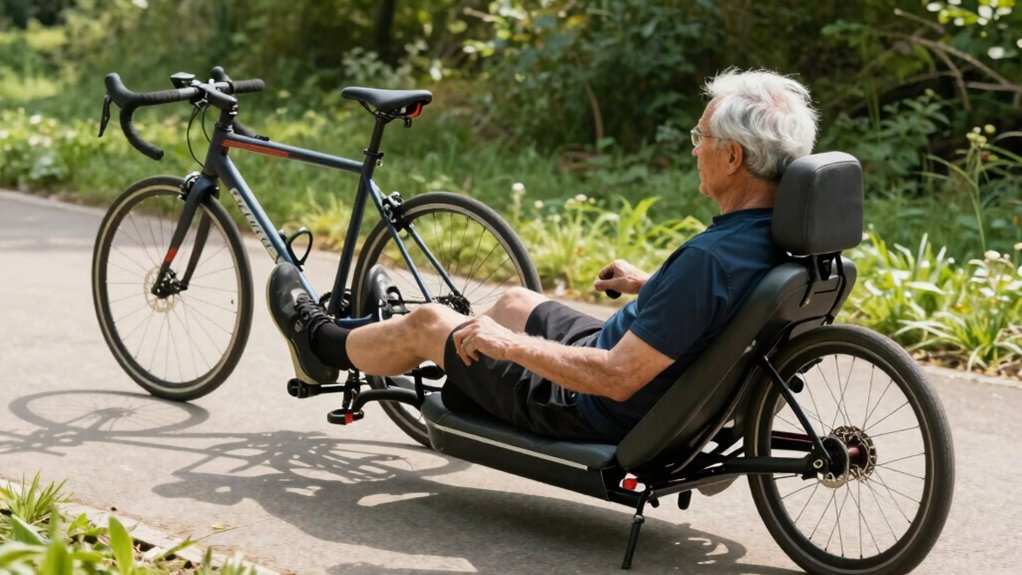
Staying safe while cycling is essential for seniors to enjoy the benefits of riding without risking injury. First, choose proper cycling footwear that provides good grip and support, reducing the risk of slipping off the pedals. Adjust your pedal resistance to a manageable level—too high can cause strain, while too low may lead to instability. Always wear a helmet, and consider reflective clothing or lights for visibility. Before riding, check your bike’s brakes and tires, ensuring everything is in good condition. Maintain a relaxed grip on the handlebars to avoid fatigue and allow better control. In conclusion, stay alert to your surroundings, watch for uneven surfaces, and avoid high traffic areas whenever possible. These safety tips help keep your ride enjoyable and accident-free.
Does Cost and Space Affect Your Bike Decision?

When deciding between a recumbent bike and an upright bike, your budget and available space play crucial roles. Cost considerations influence which bike fits your financial plan, with recumbent bikes often being more expensive upfront but offering comfort benefits. Space limitations also matter; upright bikes typically take up less room, making them ideal for smaller areas. Keep in mind:
Choose based on your space and budget—recumbent offers comfort, upright saves room.
- Recumbent bikes usually have a higher price point but provide better ergonomic support.
- Upright bikes are more compact, fitting easily into tight spaces.
- Both types vary in features, so balance your budget with your space needs and fitness goals.
Ultimately, evaluating your financial and spatial constraints helps you make an informed decision that supports consistent exercise without unnecessary stress.
Can You Switch Between Bike Types as Your Fitness Changes?
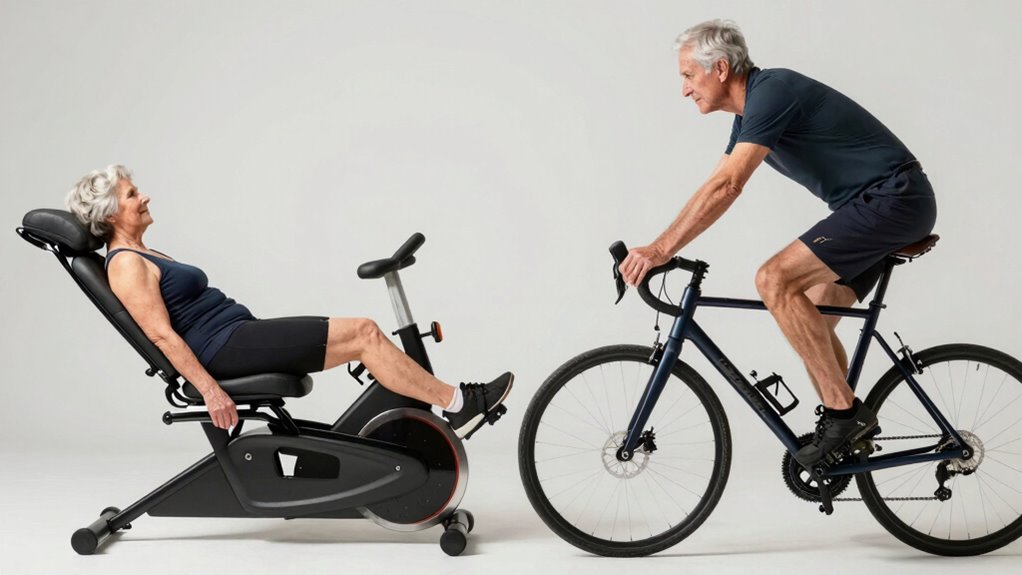
As your fitness level evolves, switching between recumbent and upright bikes becomes a practical option to keep your workouts effective and engaging. Many seniors find that as they build strength and stamina, their needs shift, making it beneficial to alternate bike types. Changing bikes can help target different muscle groups and prevent workout boredom. Just keep in mind that bike maintenance is essential; regularly check for wear and proper adjustment to guarantee safety. Also, adapt your riding techniques to suit each bike; upright bikes require more balance and core engagement, while recumbent bikes focus on comfort and stability. Switching between the two can enhance your overall fitness journey, provided you pay attention to proper bike setup and technique.
What Do Experts Say About Choosing the Best Bike for Seniors?
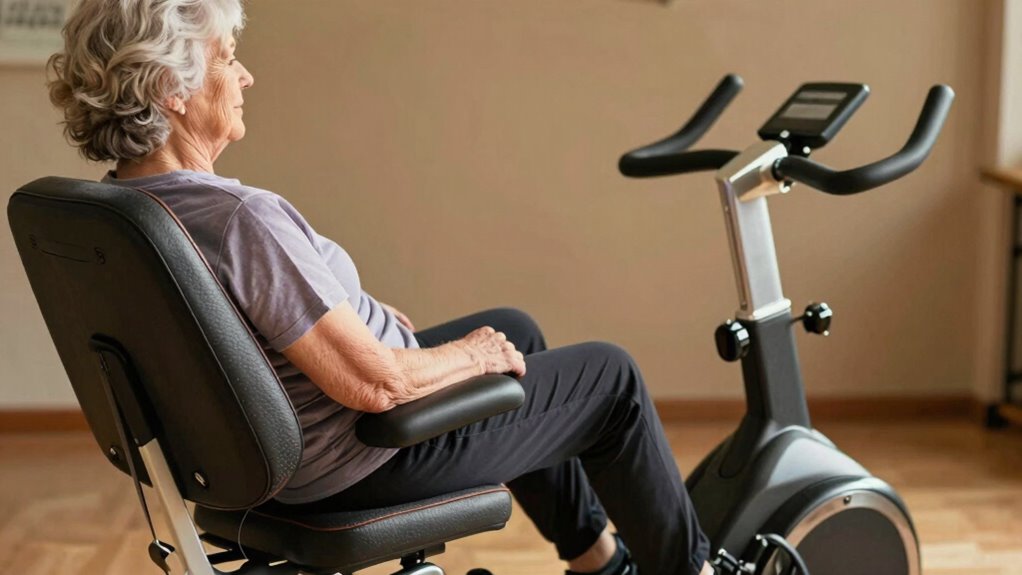
Experts agree that choosing the right bike for seniors depends on individual needs, mobility, and fitness goals. To make the best choice, consider factors like comfort, stability, and ease of use. Experts recommend testing different bikes to see what feels best and exploring suitable bike accessories that enhance safety and comfort. Proper riding techniques are essential for preventing injuries and improving workout efficiency.
- Prioritize bikes with adjustable features and supportive seating.
- Use accessories like padded seats, handlebar grips, and step-through frames.
- Practice riding techniques that promote balance and control.
Ultimately, the goal is to find a bike that encourages regular exercise without risking discomfort or injury. Consulting with a fitness professional or bike specialist can help you select the most appropriate model tailored to your abilities and objectives.
Frequently Asked Questions
Are Recumbent Bikes Better for Long-Term Joint Health?
Yes, recumbent bikes are generally better for long-term joint health. They reduce joint strain by providing a more comfortable seat and support, which minimizes stress on your hips, knees, and lower back. Plus, they still offer excellent cardiovascular benefits, helping you stay active without risking joint damage. If joint health is a priority, a recumbent bike can be a safer, more sustainable choice for long-term use.
How Do Maintenance Needs Differ Between Recumbent and Upright Bikes?
Coincidences happen; just like how your bike frame and pedal system wear over time, maintenance needs differ. Recumbent bikes, with their larger frames, often require more frequent inspections for stability and lubrication, while upright bikes, with simpler structures, need occasional checks on the pedal system and chain. You should stay attentive to these differences to keep either bike running smoothly and prolong its lifespan.
Can Seniors Use Both Bike Types for Varied Workouts?
Yes, seniors can use both bike types for varied workouts. Recumbent bikes offer more bike seat comfort and back support, ideal for gentle cardio, while upright bikes provide different pedal resistance options for more intense sessions. Switching between them helps target different muscle groups and keeps workouts interesting. Both bikes can be adapted to suit your fitness level, making them versatile choices for staying active and healthy.
What Are Common Mistakes Seniors Make When Choosing a Bike?
Choosing a bike without considering ergonomics is like building a house on shaky ground. You might enjoy it initially, but discomfort will follow. Seniors often overlook proper bike ergonomics, risking strain or injury. They also underestimate exercise frequency, thinking more is always better. Instead, focus on selecting a bike that fits your body and plan regular, manageable workouts. This approach keeps you safe and motivated while enjoying your ride.
Do Insurance Plans Cover Recumbent or Upright Bikes?
Insurance plans may cover recumbent and upright bikes through insurance coverage, but it depends on your specific policy. You should check if your plan offers bike reimbursement for exercise equipment, especially if a doctor recommends it for health reasons. Contact your insurer directly to understand the coverage details, including whether they include recumbent or upright bikes, and what documentation you need to qualify for reimbursement.
Conclusion
Choosing between a recumbent and upright bike shapes your fitness journey like selecting the perfect trail. Imagine yourself comfortably seated, sunlight warming your face, as you pedal smoothly toward better health. Whether you prefer the relaxed recline of a recumbent or the upright stance of a traditional bike, your decision should embrace your comfort and goals. Ride confidently—each pedal stroke brings you closer to well-being, turning your exercise routine into a rewarding, scenic adventure.