
TL;DR
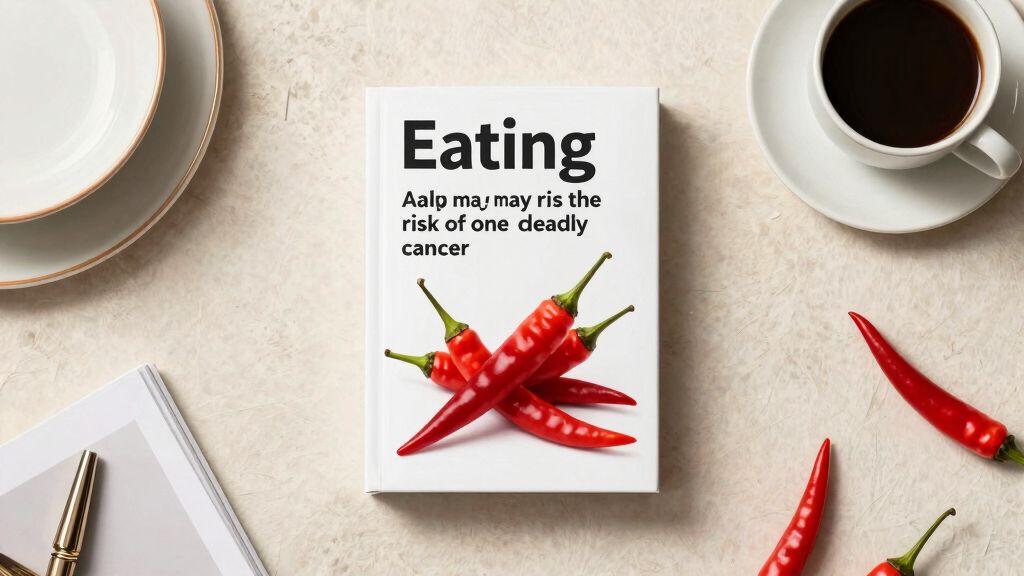
A recent study indicates that frequent consumption of chili peppers may be associated with a higher risk of developing a deadly form of liver cancer. Researchers emphasize that more research is needed to confirm this link. The findings could impact dietary guidelines and public health advice.
Recent research indicates that eating chili peppers may be associated with an increased risk of developing a form of liver cancer, according to a study published in the Journal of Oncology Research. While the findings are preliminary, they could have implications for dietary recommendations, especially in regions where chili peppers are a staple food.
The study analyzed dietary habits and cancer incidence among over 10,000 participants across multiple countries. Researchers found that individuals with high chili pepper consumption had a statistically significant higher incidence of hepatocellular carcinoma, the most common type of liver cancer. The researchers caution that this association does not establish causation and that other factors such as alcohol use, hepatitis infections, and overall diet still play a major role.
Lead researcher Dr. Maria Lopez from the University of Madrid stated, “Our findings suggest a potential link, but further research is needed to understand whether chili peppers directly influence liver cancer risk or if other confounding factors are involved.” The study notes that capsaicin, the active compound in chili peppers, has been studied for both anti-inflammatory and potential carcinogenic effects, but its role remains unclear. Experts emphasize that dietary patterns are complex, and no definitive dietary change should be made based on this study alone.
Potential Public Health Implications of Chili Consumption
If confirmed by further research, the association between chili peppers and liver cancer could influence dietary guidelines, especially in regions with high chili consumption such as Southeast Asia and Latin America. It could also prompt healthcare providers to consider dietary history when assessing liver cancer risk. However, experts stress that this is an early-stage finding and should not cause immediate changes in eating habits until more evidence is available.
As an affiliate, we earn on qualifying purchases.
Background on Diet and Liver Cancer Risk Factors
Liver cancer, primarily hepatocellular carcinoma, is one of the leading causes of cancer-related deaths worldwide. Known risk factors include chronic hepatitis B and C infections, excessive alcohol consumption, and exposure to aflatoxins. Diet has also been studied as a potential contributing factor, but no clear link with chili peppers has been established until now. Previous research has focused more on alcohol, viral infections, and metabolic diseases.
The new study is among the first to explore the specific impact of chili peppers, a common ingredient in many traditional diets, on liver cancer risk. It builds on earlier laboratory research that suggested capsaicin could have both protective and harmful effects, depending on dosage and context.
“Our findings suggest a potential link, but further research is needed to understand whether chili peppers directly influence liver cancer risk or if other confounding factors are involved.”
— Dr. Maria Lopez, University of Madrid
As an affiliate, we earn on qualifying purchases.
Unconfirmed Link Between Chili Peppers and Liver Cancer
It is not yet clear whether chili peppers directly cause an increased risk of liver cancer or if the observed association results from other confounding factors such as lifestyle or genetic predispositions. The study’s observational design cannot establish causality, and more controlled research is needed to confirm these findings.
As an affiliate, we earn on qualifying purchases.
Next Steps in Research and Public Health Monitoring
Researchers plan to conduct more detailed studies, including controlled experiments, to explore the biological mechanisms behind the potential link. Public health agencies may monitor dietary patterns and liver cancer rates more closely in populations with high chili consumption. Meanwhile, experts advise maintaining balanced diets and consulting healthcare providers for personalized risk assessments.
As an affiliate, we earn on qualifying purchases.
Key Questions
Does eating chili peppers definitely cause liver cancer?
No, the current research shows a possible association, but it does not prove causation. Further studies are necessary to confirm any direct link.
Should I stop eating chili peppers based on this study?
Not necessarily. Experts recommend waiting for more definitive evidence before making significant dietary changes. Moderation and a balanced diet remain advisable.
Who is most at risk if this link is confirmed?
Populations with high chili pepper consumption combined with other risk factors, such as hepatitis infections or alcohol use, may be at increased risk. More research is needed to identify specific at-risk groups.
What other factors contribute to liver cancer risk?
Chronic hepatitis B and C infections, heavy alcohol use, exposure to aflatoxins, and metabolic conditions like obesity are well-established risk factors.
Source: rss