
TL;DR

Turn quiet afternoons into listening time
- Thousands of audiobooks, podcasts and originals
- Listen on your phone, tablet or Echo — also offline
- Cancel anytime
The CDC has confirmed an unprecedented surge in heat-related emergency visits across the U.S., driven by recent heat waves. This trend raises public health concerns amid ongoing extreme temperatures.
The Centers for Disease Control and Prevention (CDC) has reported ‘extremely high’ rates of heat-related emergency department visits across the United States, driven by recent heat waves. This surge in health emergencies underscores the growing public health threat posed by rising temperatures and more frequent heat events, especially in vulnerable populations.
The CDC’s latest data indicates that heat-related emergency visits have reached levels not seen in previous years, with some regions experiencing a doubling or tripling of cases compared to historical averages. The agency attributes this spike to ongoing heat waves affecting large parts of the country, with temperatures surpassing local records in many areas.
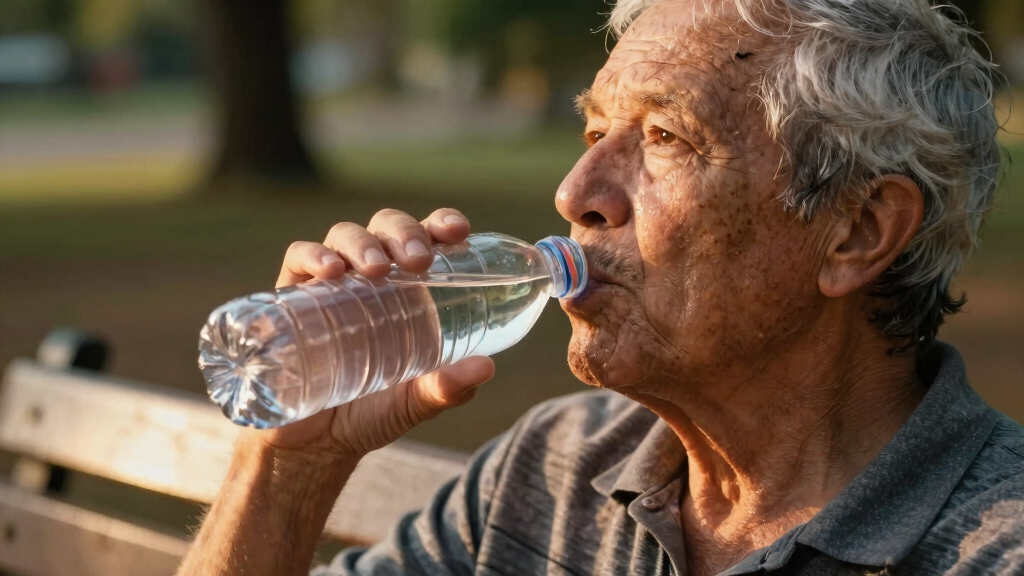
Officials from the CDC emphasized that vulnerable groups, including the elderly, children, and people with pre-existing health conditions, are disproportionately affected. The report also highlights that emergency departments in several states are reporting overwhelmed facilities due to the volume of heat-related illnesses, which include heat exhaustion, heat stroke, and dehydration.
This increase in heat-related health emergencies signals a serious public health concern, especially as climate change drives more frequent and intense heat waves. The surge places additional strain on healthcare systems and highlights the urgent need for improved heat preparedness, public awareness, and protective measures for vulnerable populations.
As an affiliate, we earn on qualifying purchases.
Recent Heat Waves and Increasing Health Risks
Over the past few months, many regions in the U.S. have experienced record-breaking temperatures, with some areas reaching over 100°F for consecutive days. The CDC’s warning aligns with other reports indicating that heat-related illnesses are on the rise, a trend linked to climate change and urban heat island effects. Historically, heat waves have caused spikes in emergency visits, but the current surge appears unprecedented in scale and severity.
Prior to this, public health officials have issued warnings about the dangers of extreme heat, but recent data suggests that these warnings are not enough to prevent the surge in emergency cases. The CDC’s findings are consistent with a growing body of evidence pointing to climate change’s impact on human health.
“The recent spike in heat-related emergency visits is a stark reminder of the health risks posed by rising temperatures. We urge communities to take protective measures and stay informed.”
— Dr. Rochelle Walensky, CDC Director
hydration backpack with water bladder
As an affiliate, we earn on qualifying purchases.
As an affiliate, we earn on qualifying purchases.
It is not yet clear how long the current surge in heat-related emergency visits will persist or whether it will decline as temperatures normalize. Ongoing data collection is needed to determine if this trend continues or worsens, especially with climate change projections indicating more frequent extreme heat events.
As an affiliate, we earn on qualifying purchases.
Next Steps in Monitoring and Response Efforts
Health authorities are expected to continue monitoring heat-related emergency data closely and may implement targeted public health campaigns to educate at-risk populations. Additionally, local governments are likely to enhance heat warning systems and expand cooling centers. Researchers will analyze ongoing data to better understand the long-term health impacts of rising temperatures.
As an affiliate, we earn on qualifying purchases.
Key Questions
What are the main health risks associated with extreme heat?
Heat-related illnesses include heat exhaustion, heat stroke, dehydration, and in severe cases, organ failure. Vulnerable groups such as the elderly, children, and those with chronic health conditions are at higher risk.
How are emergency departments responding to the surge?
Many emergency departments are increasing staffing, expanding capacity, and issuing public warnings to prevent heat-related illnesses. Some regions are opening cooling centers and distributing water to vulnerable populations.
What can individuals do to protect themselves during heat waves?
People are advised to stay hydrated, avoid outdoor activity during peak heat hours, wear lightweight clothing, and seek air-conditioned environments. Checking on vulnerable neighbors is also recommended.
While direct causality is complex, scientific consensus indicates that climate change contributes to more frequent and severe heat waves, which in turn increase heat-related health risks.
Will this trend continue or worsen?
Experts suggest that, without significant mitigation efforts, extreme heat events are likely to become more common, potentially leading to further increases in heat-related emergencies.
Source: google-trends
Halloween Picks
halloween
As an affiliate, we earn on qualifying purchases.