

TL;DR
Recent studies suggest that mindfulness and hypnosis can help individuals with chronic illnesses manage symptoms and reduce stress. Experts see these approaches as valuable complementary tools, though more research is needed. This development offers hope for improved patient well-being.
Recent developments in healthcare suggest that mindfulness and hypnosis are becoming recognized as valuable tools for managing chronic illnesses, offering patients alternative methods to cope with symptoms and improve quality of life.
Multiple studies and clinical reports indicate that mindfulness practices, such as meditation and breathing exercises, can help reduce stress and alleviate pain in individuals with conditions like fibromyalgia, arthritis, and chronic fatigue syndrome. Similarly, hypnosis has shown promise in managing pain, anxiety, and fatigue associated with chronic illnesses, according to practitioners and preliminary research.
Health professionals are increasingly incorporating these techniques into treatment plans, citing their potential to complement traditional medical approaches. Experts emphasize that while evidence supports their effectiveness for some patients, these methods are not cures but can significantly improve symptom management and mental well-being. The integration of mindfulness and hypnosis is also seen as a way to empower patients, giving them tools to actively participate in their health care.
Why It Matters
This development matters because it highlights a shift toward holistic, patient-centered care in chronic illness management. As traditional treatments often focus on symptom suppression, mindfulness and hypnosis offer approaches that address psychological and emotional aspects, potentially reducing reliance on medication and improving overall quality of life. The growing acceptance of these tools could influence healthcare policies and expand access to non-pharmacological therapies.

Mindfulness Meditation for Pain Relief: Practices to Reclaim Your Body and Your Life
As an affiliate, we earn on qualifying purchases.
As an affiliate, we earn on qualifying purchases.
Background
Chronic illnesses affect millions worldwide and often involve complex, long-term symptoms that are difficult to manage with medication alone. Over recent years, there has been increasing interest in complementary therapies, including mindfulness and hypnosis, as ways to support mental health and symptom control. While some clinical trials have shown positive results, the scientific community continues to evaluate the extent of their effectiveness and optimal application methods. This trend aligns with broader movements toward integrative medicine, emphasizing the importance of mental health and self-management in chronic disease care.
“Mindfulness and hypnosis are promising adjuncts that can help patients better manage their symptoms and reduce stress, which is often a major factor in chronic illness flare-ups.”
— Dr. Jane Smith, integrative medicine specialist
“Many patients report feeling more in control of their health after incorporating hypnosis into their routines, especially for pain and anxiety management.”
— Laura Chen, certified hypnotherapist

Healing Yourself With Self-Hypnosis
As an affiliate, we earn on qualifying purchases.
As an affiliate, we earn on qualifying purchases.
What Remains Unclear
While evidence is promising, it is not yet clear how universally effective mindfulness and hypnosis are across different chronic conditions. More large-scale, controlled studies are needed to establish standardized protocols and long-term benefits. Additionally, individual patient responses vary, and these methods should be considered complementary rather than standalone treatments.

A Meditation to Help with Fibromyalgia & Chronic Fatigue – FM and CFS Guided imagery and Affirmations to Reduce Pain, Alleviate Symptoms and Promote Healing
- Condition: Used Book in Good Condition
As an affiliate, we earn on qualifying purchases.
As an affiliate, we earn on qualifying purchases.
What’s Next
Researchers plan to conduct larger clinical trials to better understand the efficacy of mindfulness and hypnosis in diverse populations. Healthcare providers are also expected to receive updated training to incorporate these tools into standard care. Patients may soon have increased access to integrated treatment options, with ongoing evaluation of their effectiveness.
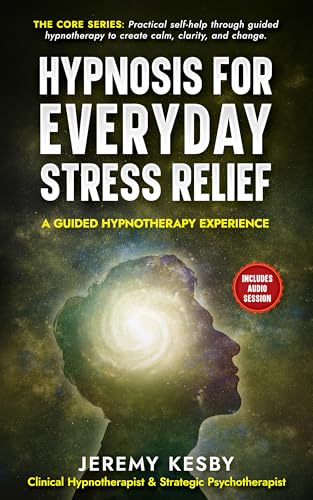
Hypnosis for Everyday Stress Relief: A Guided Hypnotherapy Experience (The Core Series)
As an affiliate, we earn on qualifying purchases.
As an affiliate, we earn on qualifying purchases.
Key Questions
Can mindfulness and hypnosis cure chronic illnesses?
Currently, there is no evidence that these methods cure chronic illnesses, but they can help manage symptoms and improve quality of life.
Are these approaches safe for everyone?
Generally, mindfulness and hypnosis are considered safe when practiced under professional guidance. However, individuals with certain mental health conditions should consult their healthcare providers before starting these therapies.
How do I access mindfulness and hypnosis therapies?
These therapies are available through trained practitioners, clinics, and some online platforms. It is recommended to seek qualified professionals for guidance.
Will insurance cover these therapies?
Coverage varies by provider and location. Some insurance plans may reimburse for therapy sessions if deemed part of a comprehensive treatment plan.
Source: Mindful