
TL;DR

Turn quiet afternoons into listening time
- Thousands of audiobooks, podcasts and originals
- Listen on your phone, tablet or Echo — also offline
- Cancel anytime
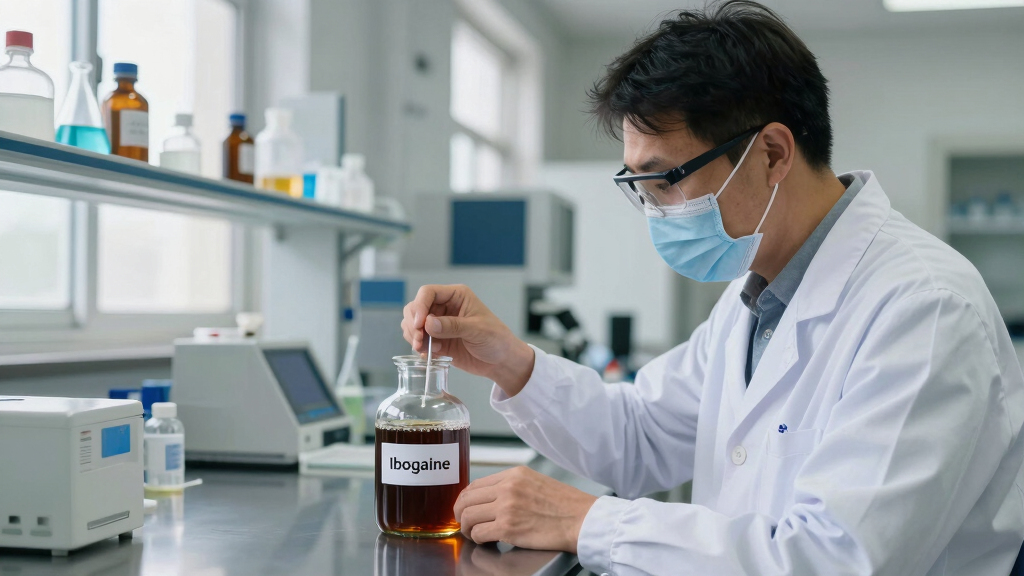
Scientists are studying ibogaine, a psychedelic, for its potential to treat PTSD in veterans. Early trials show promising results, but the mechanisms are not yet fully understood. Further research is ongoing.
Recent clinical trials involving US military veterans suggest that ibogaine, a potent psychedelic, may offer a new approach to treating post-traumatic stress disorder (PTSD). While early results are promising, scientists still do not fully understand how the drug produces its therapeutic effects. This development could have significant implications for veteran mental health treatment options.
In a recent study, 30 US veterans with PTSD traveled to a clinic in Mexico to receive controlled doses of ibogaine, a substance derived from the African shrub iboga. Under medical supervision, participants experienced intense, often lucid psychedelic episodes lasting up to 72 hours. Many reported profound personal insights and emotional breakthroughs, with some describing the experience as life-changing.
Researchers from Stanford University and other institutions observed that the veterans showed notable reductions in PTSD symptoms following treatment. The trials focused on understanding whether the drug’s effects stem from its chemical properties or the psychedelic experience itself. Preliminary findings suggest that ibogaine interacts with brain receptors different from those of other psychedelics, possibly involving kappa-opioid receptors and promoting neuroplasticity, which supports brain recovery.
Why It Matters
If validated through further research, ibogaine could become a valuable tool for treating PTSD, especially for veterans unresponsive to traditional therapies. Its potential to induce deep psychological change may address the root causes of trauma more effectively than current medications or talk therapies. However, safety concerns and incomplete understanding of its mechanisms mean that more rigorous studies are necessary before widespread clinical use.
As an affiliate, we earn on qualifying purchases.
Background
Interest in ibogaine as a treatment for addiction dates back to the 1960s, with anecdotal reports of its effectiveness. Recent scientific efforts have focused on its potential to treat PTSD and other mental health conditions. Trials involving veterans are part of a broader push to explore psychedelics as legitimate therapeutic agents, amid increasing regulatory interest and ongoing research into their mechanisms of action.
“The treatment with ibogaine changed my life. It helped me confront and process trauma I thought I would carry forever.”
— Elias Kfoury
“When you see it for the first time, it’s like magic – they take ibogaine and their withdrawal syndrome completely disappears.”
— José Carlos Bouso
“We don’t yet have a clear understanding of the mechanism, but early data suggest it involves different brain receptors than other psychedelics.”
— Clayton Olash
psychedelic therapy for veterans
As an affiliate, we earn on qualifying purchases.
As an affiliate, we earn on qualifying purchases.
What Remains Unclear
While initial results are promising, it remains unclear how ibogaine produces long-lasting therapeutic effects, and whether its benefits are primarily due to its psychedelic experience or its chemical properties. Safety concerns and potential side effects also require further investigation. The full mechanism of action is still under study, and larger, controlled trials are needed to confirm efficacy and safety.
As an affiliate, we earn on qualifying purchases.
What’s Next
Researchers plan to conduct larger, randomized clinical trials to validate initial findings and better understand the mechanisms behind ibogaine’s effects. Regulatory agencies may also begin to evaluate the drug’s safety profile for potential medical approval. Meanwhile, scientists continue exploring synthetic, trip-free versions of ibogaine to harness its benefits without hallucinations.
neuroplasticity enhancing supplements
As an affiliate, we earn on qualifying purchases.
As an affiliate, we earn on qualifying purchases.
Key Questions
Can ibogaine be safely used to treat PTSD now?
Not yet. Although early studies are promising, ibogaine’s safety and efficacy for PTSD have not been established through large-scale clinical trials. It remains an experimental treatment outside regulated medical settings.
How does ibogaine work to alleviate PTSD symptoms?
Scientists believe it may interact with brain receptors differently from other psychedelics, possibly involving kappa-opioid receptors and promoting neuroplasticity, but the exact mechanism remains unclear.
Are there risks associated with ibogaine treatment?
Yes. Ibogaine can cause serious side effects, including cardiac issues and neurotoxicity. Its safety profile requires further study before it can be widely recommended.
Could synthetic or non-hallucinogenic versions of ibogaine replace current treatments?
Research is underway to develop synthetic, trip-free compounds that mimic ibogaine’s benefits, which could offer safer alternatives if proven effective.
Halloween Picks
halloween
As an affiliate, we earn on qualifying purchases.