
TL;DR

Turn quiet afternoons into listening time
- Thousands of audiobooks, podcasts and originals
- Listen on your phone, tablet or Echo — also offline
- Cancel anytime
A Sixty and Me report says retirees who flourish tend to build strong social ties, maintain a sense of purpose, stay active and keep learning. It draws on existing research and practical examples, but does not establish that these habits cause greater happiness or apply equally to every retiree.
A Sixty and Me report argues that retirees’ well-being is linked not just to financial resources but also to relationships, purpose, regular movement and continued learning. Drawing on cited research and the author’s work with older adults, it describes habits that may help people maintain connection and independence, while stopping short of showing that any one routine guarantees a happy retirement.
The report says people who fare well in retirement tend to keep up planned contact with others, rather than relying on the spontaneous company that work may have provided. Examples include a weekly breakfast with former colleagues, a walking group, regular family calls and a monthly game night. The source cites the Harvard Study of Adult Development, whose directors have emphasized the role of good relationships in health and happiness as people age.
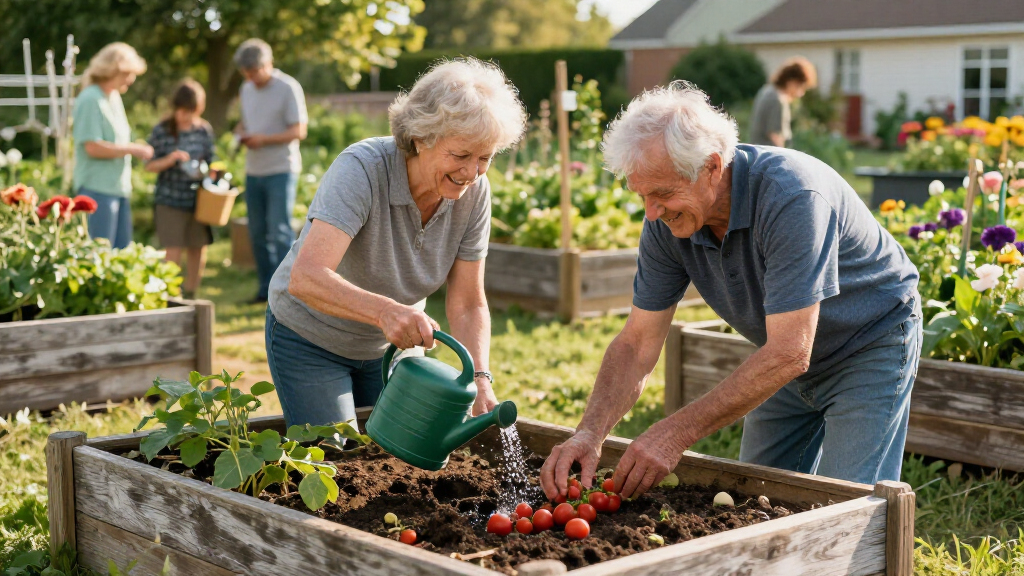
It also points to purpose and physical activity. Purpose can come from volunteering, mentoring, helping care for grandchildren or tending a garden, the report says. It references a 2019 study of nearly 7,000 adults over 50 that found participants with the weakest sense of purpose were more than twice as likely to die during the study period as those with the strongest. That finding is an association, not proof that purpose itself caused the difference.
Other recommendations include continuing to learn, adapting activities when health or mobility changes, and making homes safer before a fall occurs. The report says federal activity guidelines for older adults include about 150 minutes of moderate activity a week, along with strength work at least twice weekly and balance exercises. It also cites the CDC estimate that about one in four adults aged 65 and older reports a fall each year.
Habits Can Support Retirement Well-Being
The report’s practical point is that some parts of retirement satisfaction may be shaped by routines and surroundings, not only by income. Regular contact, meaningful roles and accessible activity can help create structure after leaving work, when everyday social interaction may diminish.
Its emphasis on adapting also challenges the idea that using assistance means giving up an activity. A cane, walker or mobility aid may help someone continue outings, exercise or travel, depending on individual needs. Home changes such as better lighting and grab bars may reduce hazards. These are general suggestions, not individualized health or safety assessments; people with mobility concerns should seek guidance from a qualified professional.
Products Worth Considering

BowFlex Results Series SelectTech Adjustable Dumbbells (Pair)

Levoit Core 600S-P Smart Air Purifier for Large Rooms

Withings Sleep Under-Mattress Sleep Tracking Pad
As an affiliate, we earn on qualifying purchases.
Research Behind the Report’s Advice
The source combines the author’s observations from work with older adults and families with findings from other research and public guidance. The Harvard Study of Adult Development began in 1938 and has followed participants and, later, their families. Its directors have described close relationships as an important contributor to health and happiness in later life.
The cited figures have specific limits. The purpose finding concerns mortality during a study period, not a direct measurement of retirement happiness. The activity targets are presented as federal guidance, while the falls figure is a CDC estimate for adults 65 and older. The source does not provide full study citations or details such as participant characteristics and methods for every statistic.
“Good relationships keep us happier and healthier as we age.”
— Directors of the Harvard Study of Adult Development, as summarized in the report
Limits of the Evidence and Claims
The source does not identify a new survey, experiment or dataset measuring which retirees are happiest. It presents a practical synthesis of prior research and the author’s experience, so it cannot establish that the listed habits cause happiness or that money is unimportant to well-being. The research cited also measures different outcomes, including health, mortality risk and falls, rather than one common measure of retirement satisfaction.
Full publication details and methods for several cited studies are not included in the supplied material. Individual circumstances, including health, income, caregiving responsibilities and access to community activities, may affect what is possible. The report also does not quantify how much any single habit changes a person’s outlook or health.
Small Steps, Individual Choices
The report offers no scheduled follow-up study or policy announcement. Its suggested next steps are personal and practical: arrange regular time with someone, find a useful role or activity, and build movement and learning into the week. Readers considering changes to exercise, mobility equipment or home safety can discuss their needs with a qualified health or rehabilitation professional.
Whether these habits make a measurable difference for any individual remains personal and depends on circumstances. The report’s central recommendation is to plan for retirement actively while adjusting those plans as needs change.
Key Questions
What habits does the report associate with happier retirement?
It highlights social connection, purpose, regular physical activity, continued learning, adapting to changing abilities and preparing the home for safety. The report presents these as useful patterns, not a guaranteed formula.
Does the report show that money does not matter in retirement?
No. It argues that well-being is not determined by the size of a nest egg alone, but it does not compare income levels or establish that finances are unimportant. Financial security can still shape a person’s choices and circumstances.
What activity guidance does the source cite?
The report cites federal guidance calling for about 150 minutes of moderate activity weekly, strength exercises at least two days a week and balance work. People should seek professional advice about activity suited to their health and abilities.
Does the cited purpose study prove that purpose makes people live longer?
No. The report says a 2019 study of nearly 7,000 adults over 50 found that those with the weakest sense of purpose were more than twice as likely to die during the study period as those with the strongest. That association does not prove that purpose caused the difference.
Source: sixtyandme.com