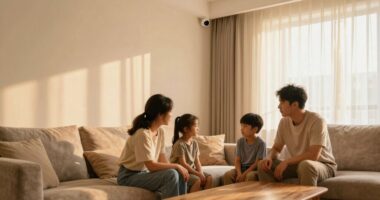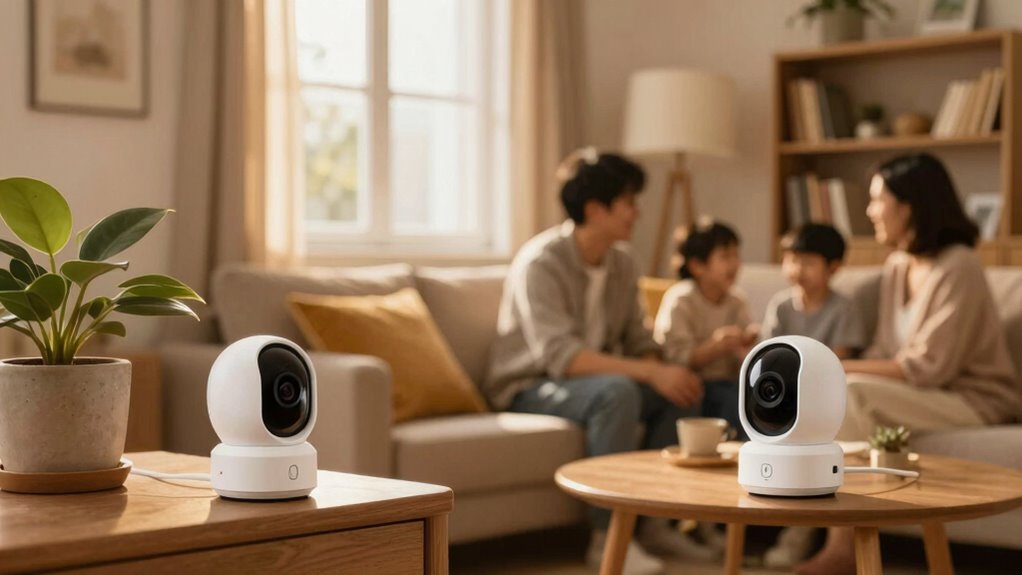

To use home cameras without making loved ones feel watched, set clear boundaries and communicate openly about their purpose and privacy expectations. Carefully place cameras in common areas, avoiding private spaces like bedrooms or bathrooms, and use discreet designs to blend in. Adjust sensitivity and notification settings to avoid unnecessary alerts, and limit who has access. Regularly review and update your camera permissions and settings to balance security with respect. If you’re interested, there’s more to take into account for creating a trustful environment.

Turn quiet afternoons into listening time
- Thousands of audiobooks, podcasts and originals
- Listen on your phone, tablet or Echo — also offline
- Cancel anytime
Key Takeaways
- Place cameras in common areas only, avoiding private spaces like bedrooms and bathrooms.
- Communicate openly about camera placement, purpose, and privacy boundaries with loved ones.
- Use discreet, non-intrusive camera designs and adjust angles to monitor without invading privacy.
- Limit camera access to trusted individuals and set permissions to ensure respectful use.
- Schedule camera on/off times and turn cameras off during private moments to maintain comfort.
As an affiliate, we earn on qualifying purchases.
How to Set Privacy Boundaries for Home Cameras
To guarantee your loved ones feel comfortable and respected, it’s essential to establish clear privacy boundaries for your home cameras. Adjust the camera sensitivity to avoid capturing unnecessary or intrusive footage, especially in private areas like bedrooms or bathrooms. Lowering sensitivity helps prevent false alerts and reduces the feeling of being watched constantly. Additionally, fine-tune your notification settings so you only receive alerts for significant events, avoiding unnecessary disruptions. Clearly communicate with your loved ones about where cameras are placed and how they’re configured. Respect their privacy by disabling notifications or camera access in private spaces. Understanding contrast ratio can also help you position cameras to optimize image clarity and reduce unintended captures. By setting appropriate camera sensitivity and notification preferences, you create a balance between security and respecting personal boundaries. Incorporating home security principles can further enhance privacy management and ensure a respectful environment for everyone. Being aware of privacy settings can also help you customize camera functions to better suit your household’s comfort levels.
privacy-friendly indoor security cameras
As an affiliate, we earn on qualifying purchases.
As an affiliate, we earn on qualifying purchases.
Choosing Camera Placement That Respects Privacy

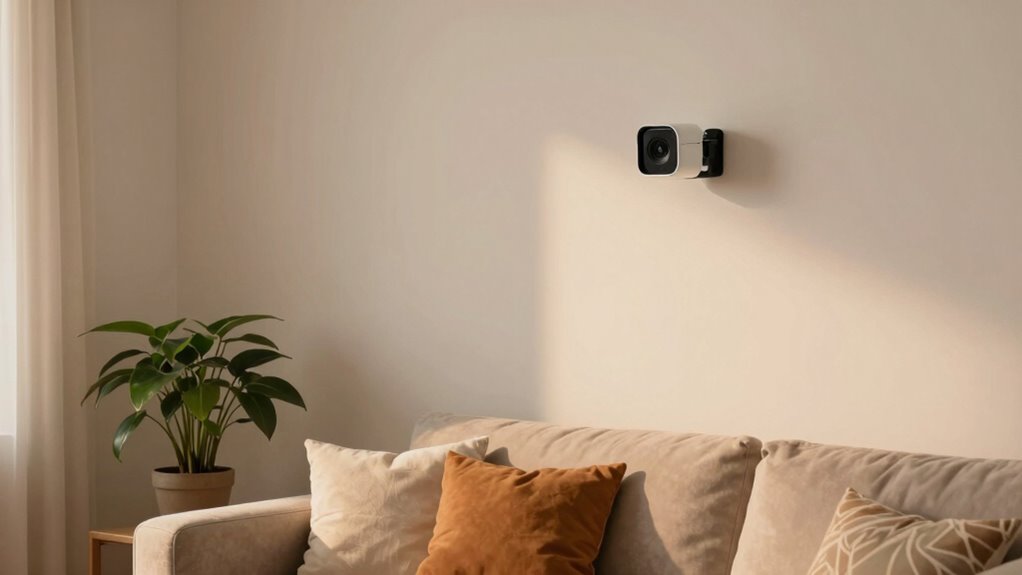
When placing your cameras, steer clear of private spaces like bedrooms and bathrooms to respect loved ones’ privacy. Opt for discreet cameras that blend into your home environment, so they don’t feel intrusive. Thoughtful placement helps you monitor effectively without making anyone feel watched. Additionally, consider Victorian steampunk aesthetics when choosing camera designs to ensure they complement your home’s decor. Incorporating cable management into your setup can also help maintain a tidy appearance and prevent unnecessary clutter, enhancing the overall aesthetic and functionality of your surveillance system. Proper camera placement can improve security while maintaining a comfortable atmosphere for your loved ones. Using cameras with advanced technology can further provide peace of mind without sacrificing privacy.
Avoid Private Spaces
Choosing the right spot for your home camera is essential to respecting your loved ones’ privacy. Avoid placing cameras in private space boundaries, such as bedrooms, bathrooms, or personal privacy zones. These areas are meant for rest and intimacy, and cameras here can feel intrusive. Instead, focus on common areas like hallways, living rooms, or entryways. Be mindful of your loved ones’ comfort and avoid areas where they expect privacy. Position cameras where they provide security without infringing on personal space. Remember, the goal is to monitor without making loved ones feel watched or overly scrutinized. Respecting private spaces not only maintains trust but also ensures everyone feels safe and comfortable in their home environment. Proper charger settings and low-voltage cutoff can help maintain your cameras’ functionality without overstepping boundaries. Additionally, understanding water damage prevention techniques can help protect your home equipment from accidental damage or hazards. Being aware of potential cybersecurity vulnerabilities related to connected devices can further safeguard your privacy and prevent unauthorized access. Staying informed about device security best practices is crucial in maintaining a safe and private home monitoring system. Regular updates to your device firmware also play a vital role in security protection and keeping your cameras resilient against threats.
Use Discreet Cameras
Placing cameras in visible, obvious spots can make your loved ones feel watched rather than protected. Instead, choose discreet camera designs that blend into your home’s decor, such as small or camouflaged models. These cameras provide security without drawing attention or invading privacy. Position them in common areas, like entrances or hallways, where they can monitor activity subtly. To maintain trust, ensure user notifications are set up properly, so your loved ones are aware of when and where cameras are active. This transparency helps prevent feelings of surveillance and fosters a sense of safety. Utilizing discreet camera designs ensures your security measures are unobtrusive while respecting everyone’s privacy. Discreet placement combined with clear communication keeps your home secure while respecting everyone’s privacy and emotional comfort.
adjustable sensitivity home cameras
As an affiliate, we earn on qualifying purchases.
As an affiliate, we earn on qualifying purchases.
Talking Openly About Camera Use and Expectations
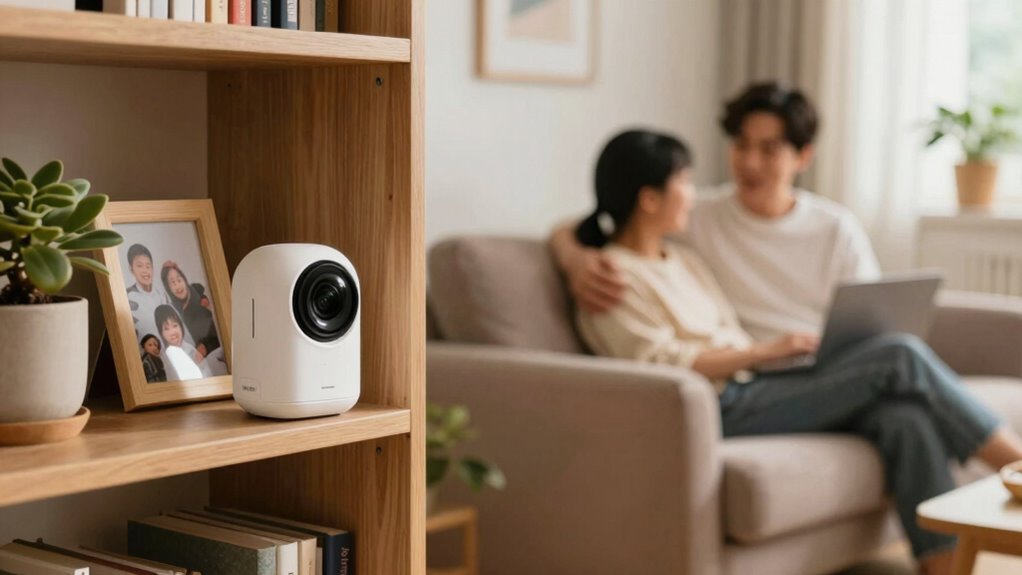
Talking openly about camera use and expectations is essential to maintaining trust and comfort in your home. Clear family communication helps everyone understand why cameras are there and how they’re used. This approach can foster a sense of consent awareness, making loved ones feel respected rather than watched. Use honest conversations to set boundaries and address concerns early. To guide your discussion, consider this table:
| Topic | Questions to Ask | Key Points |
|---|---|---|
| Camera Purpose | Why do we need cameras? | Transparency builds trust |
| Privacy Boundaries | Which areas are off-limits? | Respect personal space |
| Consent and Comfort | Do you feel comfortable? | Always prioritize feelings |
| Ongoing Communication | How should we revisit expectations? | Keep the dialogue open and ongoing |
Additionally, discussing extension cord standards and proper power protection can ensure your devices operate safely without hazards, fostering a safer environment for your family. Understanding privacy considerations related to camera placement can also help alleviate concerns and promote a respectful atmosphere. It’s also helpful to understand the best woods for farmhouse tables if you’re integrating natural elements into your decor, which can contribute to an inviting and warm atmosphere. Moreover, being aware of cloud service reliability and having contingency plans in place can help you maintain security and peace of mind if technical issues arise.
blend-in security cameras for living room
As an affiliate, we earn on qualifying purchases.
As an affiliate, we earn on qualifying purchases.
Using Camera Features to Respect Privacy
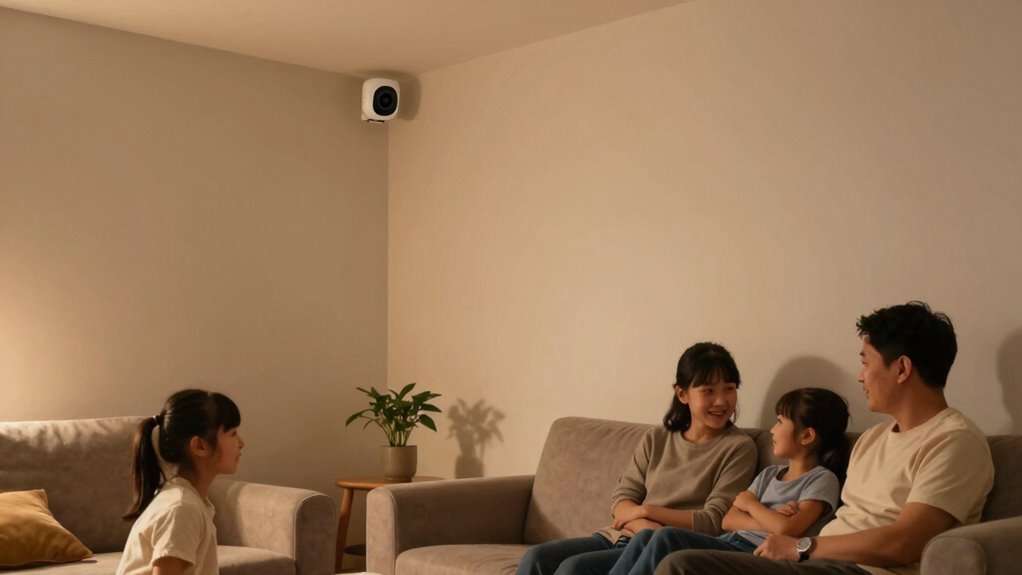
Once you’ve established open communication about camera use and set clear boundaries, it’s time to focus on how the features of your cameras can help protect everyone’s privacy. Good camera etiquette involves using privacy settings thoughtfully, such as disabling audio or motion alerts in private spaces. Many cameras offer privacy modes or the ability to turn off recording when needed, respecting privacy consent. Adjust camera angles to avoid intrusive views, and consider covering cameras in areas where privacy is essential. Regularly review and update settings to guarantee they align with your family’s comfort levels. By actively managing these features, you demonstrate respect for loved ones’ boundaries, fostering trust and making everyone feel more secure in their home environment. Additionally, understanding early detection signs can help in recognizing health concerns before they escalate. Recognizing privacy features and utilizing them effectively can further enhance the sense of security and respect within your home.
Managing Who Can View Your Camera Footage
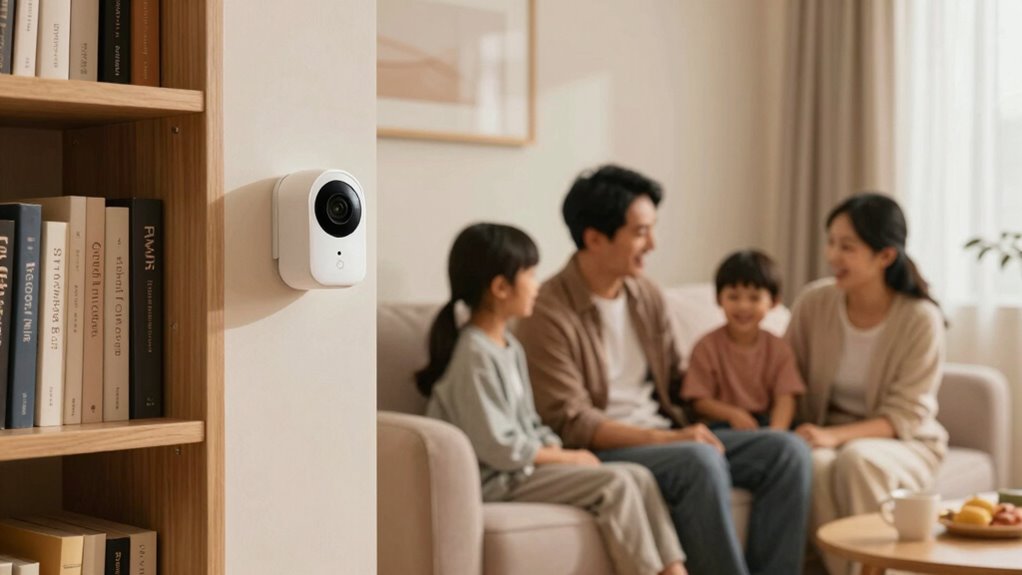
Who should have access to your camera footage? Only trusted individuals who respect camera ethics and consent norms. Limiting access guarantees your loved ones feel comfortable and secure, rather than watched or surveilled. Set permissions carefully—avoid sharing footage broadly, and use secure passwords for your camera accounts. Establish clear boundaries on who can view footage, especially if minors are involved. Regularly review access rights to prevent unauthorized viewing. This ongoing process helps maintain privacy standards and adapt to any changes within your household. Being mindful about who can see your footage not only respects privacy but also aligns with ethical standards around surveillance. User access controls are essential for managing permissions effectively. Keep the control tight, and communicate openly about who has access to maintain transparency and comfort for everyone involved.
Review and Adjust Your Camera Settings Regularly
You should set aside time to review your camera settings regularly to guarantee they still meet your needs. Make it a habit to update the firmware so your cameras stay secure and work smoothly. Scheduling routine checks helps you catch any issues early and keeps your footage safe.
Schedule Regular Checks
Regularly reviewing and adjusting your camera settings guarantees they function effectively without intruding on your loved ones’ privacy. Schedule routine checks to ensure your camera installation aligns with your privacy policies and remains unobtrusive. During these reviews, verify that the camera is recording only what’s necessary and not capturing private moments. Keep an eye out for any technical glitches or security vulnerabilities that might compromise privacy. Consider the following:
- Confirm camera angles don’t invade personal spaces
- Ensure motion detection is appropriately set
- Review access permissions regularly
- Check for firmware updates or security patches
- Adjust recording schedules to minimize over-surveillance
Consistently managing these aspects helps maintain trust and prevents feelings of being watched. Regular checks keep your home’s security balanced with respecting loved ones’ privacy.
Update Firmware Frequently
Keeping your camera settings up to date is just as important as performing routine checks. Regularly updating your firmware ensures your camera functions smoothly and stays secure. Firmware updates often improve camera aesthetics, making the device less intrusive and more visually appealing in your home, which helps loved ones feel comfortable. These updates also enhance user accessibility, making menus and controls easier to navigate. By staying current, you minimize vulnerabilities and bugs that could compromise privacy or performance. Check your camera manufacturer’s website or app regularly for updates, and install them promptly. This proactive step guarantees your camera remains unobtrusive and user-friendly, balancing security with a natural, non-invasive presence in your home environment.
Balancing Security and Privacy at Home
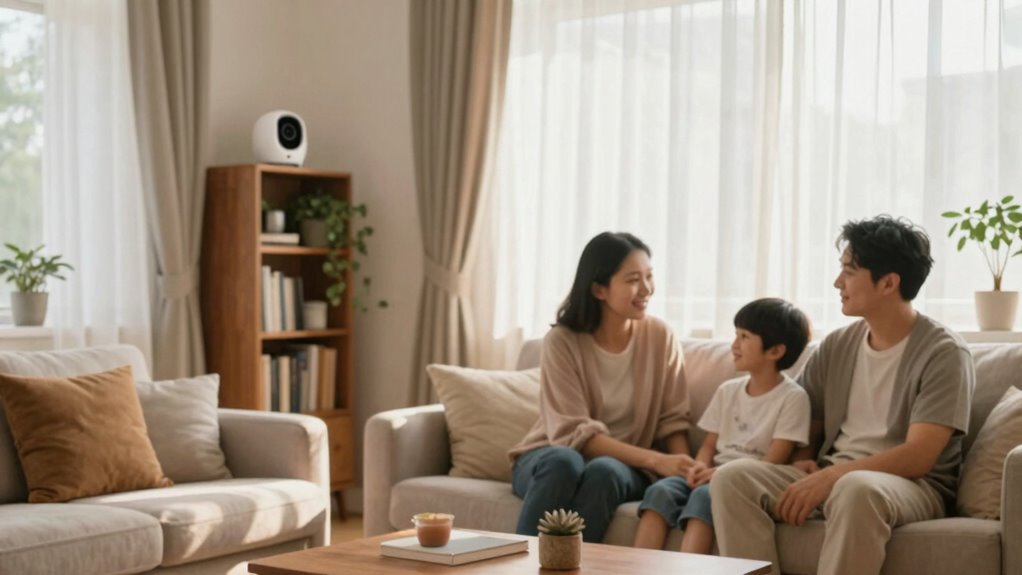
Achieving the right balance between security and privacy at home requires thoughtful planning and clear boundaries. You want to protect your loved ones without making them feel watched. To do this, consider smart home integration that allows you to customize camera access and notifications. Establish clear boundaries, like turning cameras off during private moments or family time. Guarantee your system supports an emergency response feature, so help is readily available if needed. Regularly review camera footage to prevent unnecessary surveillance. Communicate openly with family members about camera use and privacy expectations to foster trust and cooperation.
Balance security with privacy by setting boundaries, customizing access, and maintaining open family communication.
- Limit camera angles to communal areas
- Use motion detection to reduce unnecessary footage
- Set access permissions for trusted individuals
- Schedule camera on/off times
- Educate everyone about privacy and security protocols
Frequently Asked Questions
How Can I Prevent Cameras From Recording Private Moments Accidentally?
You can prevent cameras from recording private moments by carefully choosing camera placement, avoiding areas like bedrooms or bathrooms. Use privacy zones within your camera settings to block out sensitive spaces, ensuring they aren’t captured. Regularly review camera footage and adjust angles or zones as needed. Communicating openly with loved ones about camera use also helps maintain trust and keeps everyone comfortable, knowing their private moments are respected.
What Legal Considerations Should I Be Aware of When Installing Home Cameras?
When installing home cameras, you should prioritize legal compliance by understanding local laws about surveillance. Make certain to inform everyone in your home about the cameras to respect their privacy. Review privacy policies of your camera provider to guarantee your data is protected. Avoid recording areas with expected privacy, like bathrooms or bedrooms without consent. Staying transparent and respecting privacy laws helps you use cameras responsibly and avoid legal issues.
How Do I Handle Privacy Concerns From Guests or Visitors?
To address privacy concerns from guests or visitors, always prioritize guest privacy and seek visitor consent before installing or activating cameras. Let them know where cameras are located and explain their purpose, which builds trust. Respect their comfort levels; if someone feels uneasy, consider adjusting camera angles or temporarily disabling certain cameras. Being transparent and respectful guarantees your home remains a welcoming space while safeguarding everyone’s privacy.
Can Camera Notifications Be Customized to Avoid Disturbing Loved Ones?
Yes, camera notifications can be customized to avoid disturbing your loved ones. You can use notification scheduling to set specific times when alerts are active, ensuring they don’t get interrupted during quiet moments. Additionally, many cameras offer alert customization options, allowing you to select which activity triggers notifications. This way, you stay informed without overwhelming your family, maintaining their comfort and privacy while keeping your home secure.
What Are the Best Practices for Securing Camera Footage From Hackers?
To secure your camera footage from hackers, you should use strong encryption protocols, which protect data both during transmission and storage. Opt for cameras that offer end-to-end encryption and regularly update their firmware. Additionally, store footage in secure cloud storage services with robust security measures like two-factor authentication. Regularly change passwords and disable unnecessary remote access to further safeguard your footage from unauthorized access.
Conclusion
By thoughtfully setting boundaries, choosing discreet placements, and maintaining open conversations, you create a space where security gently coexists with comfort. Regularly reviewing your camera settings guarantees everyone’s privacy remains protected, fostering trust and understanding. When you approach home camera use with care and respect, it’s like tuning a delicate instrument—creating harmony between safety and personal space. In this balance, your loved ones feel seen but not watched, nurturing a peaceful, connected home.
Fall Picks
fall essentials
As an affiliate, we earn on qualifying purchases.