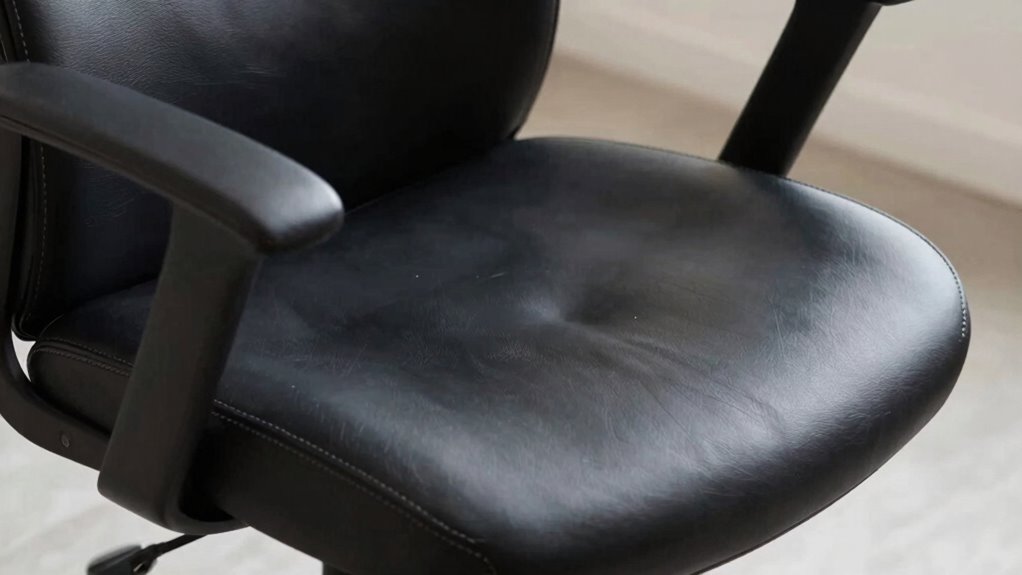

If you’re ignoring seat depth, you could be unknowingly setting yourself up for discomfort and long-term health issues. Proper seat depth supports your thighs without putting pressure behind your knees, helping maintain good posture and reducing strain on your hips and lower back. An adjustable seat depth allows you to customize your chair for maximum comfort. Keep paying attention to this feature, and you’ll discover practical tips to improve your ergonomic setup and overall well-being.
Key Takeaways
- Proper seat depth ensures optimal thigh support, reducing circulation issues and preventing discomfort during long periods of sitting.
- Ignoring seat depth can lead to poor posture, back pain, and long-term musculoskeletal health problems.
- Adjustable seat depth allows personalized fit, enhancing ergonomic support and overall comfort.
- Correct seat depth aligns with leg length, promoting better posture and reducing strain on hips and knees.
- Focusing on seat depth improves workspace aesthetics and supports sustained productivity and health.

Vonesse Ergonomic Office Chair with Footrest, Desk Chairs with Adjustable 3D Headrest and Armrests, Computer Gaming Chair with Dynamic Lumbar Support & Adjustable Depth Breathable Mesh Seat (Black)
【Precision Lumbar & Seat Depth Adjustment】 Designed for spinal health and personalized comfort, the chair’s core adjustments ensure…
As an affiliate, we earn on qualifying purchases.
As an affiliate, we earn on qualifying purchases.
How Seat Depth Impacts Your Comfort and Posture
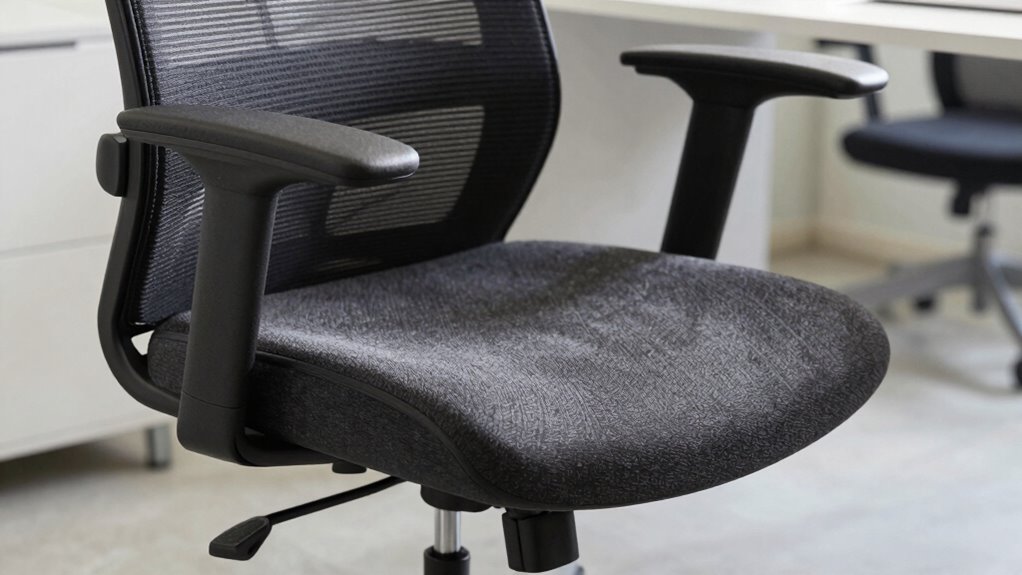
Your seat depth plays a crucial role in how comfortable and supported you feel while sitting. An ergonomic design guarantees the seat depth aligns with your legs, promoting proper posture and reducing strain. When the seat is too deep, your thighs may feel unsupported, leading to discomfort and poor circulation. Conversely, a seat that’s too shallow can cause pressure on your knees and hips. Proper seat depth also enhances aesthetic appeal, making your workspace look neat and intentional. A well-designed chair with ideal seat depth encourages a natural sitting posture, preventing slouching and back pain. When your chair fits correctly, you’ll notice improved comfort during long hours at your desk, supporting your overall health and productivity. Additionally, considering anti-fatigue mats and standing desk gear can further improve your ergonomic setup, especially during breaks or alternating between sitting and standing. Paying attention to seat height adjustability can help you customize the fit and further optimize comfort. Ensuring your chair’s adjustability features can help customize the fit and further optimize comfort. Being aware of ergonomic principles can also guide you in selecting the most suitable chair for your needs. To achieve optimal support, paying attention to seat depth measurement can ensure your chair truly meets ergonomic standards.

COMHOMA Big and Tall Office Chair, High Back Leather Gaming Chair with Footrest, Executive Ergonomic Office Chair with Pocket Spring Lumbar Support and with Outward Fixed Soft Armrests
【Ergonomic Full-Body Design】Specifically designed for pressure dispersion and body support, the backrest features 3D wrapping lumbar support with…
As an affiliate, we earn on qualifying purchases.
As an affiliate, we earn on qualifying purchases.
How to Know If Your Seat Depth Fits Your Body

To determine if your seat depth is a good fit, start by sitting comfortably with your back against the chair’s backrest. Your knees should form a roughly 90-degree angle, with about two to four inches of space between the edge of the seat and the back of your knees. An ergonomic design guarantees the seat supports your thighs without cutting into them. If you feel pressure behind your knees or your thighs aren’t fully supported, the seat depth needs adjustment. Additionally, consider aesthetic appeal—an appropriate seat depth looks proportional and feels natural. Comfort and support are key, so take time to sit and assess how well the chair aligns with your body’s shape. Proper seat depth enhances both ergonomic support and the chair’s overall aesthetic appeal. Ensuring your chair’s ergonomic features are well-suited to your body can make a significant difference in your comfort throughout the day. Understanding ergonomic principles can help you select the most supportive and comfortable seating options. Considering seat depth measurements can also help you compare different chairs more effectively. When selecting a chair, it’s important to also evaluate cable management features that contribute to a tidy and functional workspace. Moreover, choosing a chair with adjustable **seat depth** allows for personalized comfort and better ergonomic alignment.

Marsail Ergonomic Office Chair: Office Desk Chair with High Back Mesh and Adjustable Lumbar Support Rolling Work Swivel Task Chairs with Wheel 3D Armrests and Headrest
Fully Adjustable Office Chair: Customized chairs, featuring with an adjustable 2D headrest, backrest with 90° to 120° recline,…
As an affiliate, we earn on qualifying purchases.
As an affiliate, we earn on qualifying purchases.
Tips for Choosing the Right Seat Depth for You
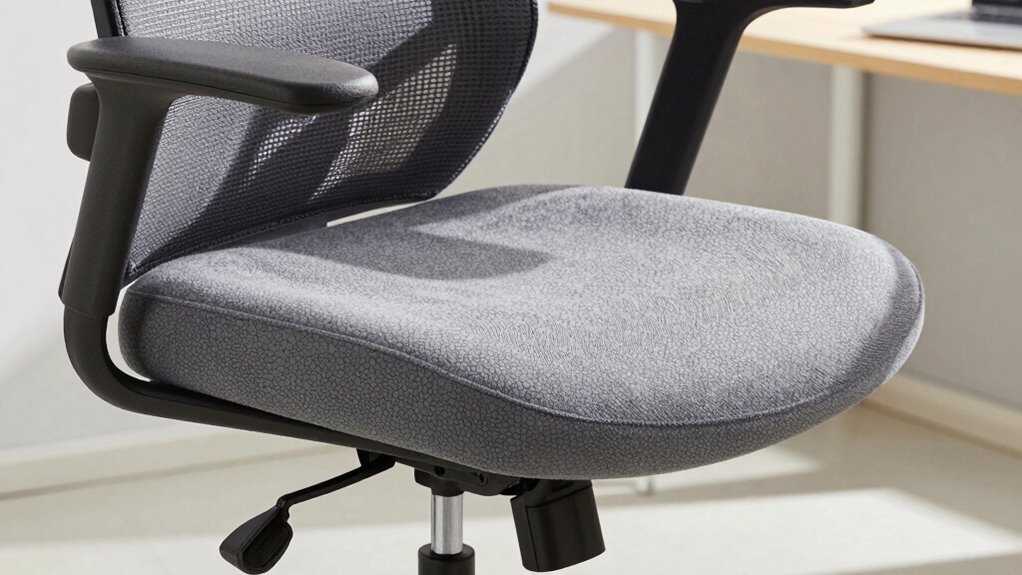
To find the right seat depth, start by measuring your thigh length to guarantee a proper fit. Consider chairs with adjustable features so you can fine-tune the depth for maximum comfort. Prioritize support and comfort to prevent strain and promote better posture throughout your workday.
Measure Your Thigh Length
Ever wonder how to determine the ideal seat depth for your office chair? The key is measuring your thigh length, which is the distance from your back to the back of your knees. To do this, sit comfortably against a wall or flat surface, then slide a book or ruler between your legs, snug against your thighs. Mark where the top of the book meets your thigh, then measure that distance from your hip to the mark. This seat measurement helps you choose a chair with the right seat depth—one that supports your thighs without putting pressure behind your knees. Knowing your thigh length guarantees your chair will fit well, promoting comfort and reducing strain during long work hours. Additionally, understanding ergonomic principles can help you appreciate how proper setup and adjustments influence your overall comfort and ergonomic health. Ensuring your chair’s seat depth aligns with your measurements is essential for optimal ergonomic support. Remember, a well-measured seat depth can prevent common issues like circulatory problems and improve your overall posture.
Consider Adjustable Features
Adjustable seat depth features can be a game-changer when selecting the right office chair. They allow you to tailor the fit to your body, guaranteeing proper support and comfort. Look for chairs with an aesthetic design that complements your workspace, as this enhances overall appeal. Material durability is equally important; high-quality materials like sturdy mesh or leather ensure your chair withstands daily use without losing functionality or style. With adjustable depth, you can easily modify the seat to better fit your thigh length, promoting better posture. This flexibility means you won’t be stuck with a one-size-fits-all solution, and you’ll get a personalized fit that supports your ergonomic needs while maintaining a sleek look. Additionally, considering caregiver emotional health can help you choose a comfortable workspace that supports your well-being. Being mindful of regional flavors and insights in your office setup can also inspire a more inviting and personalized environment. Recognizing the impact of ergonomic design principles can further enhance your seating choice, ensuring long-term comfort and health benefits. Proper cleaning and maintenance not only keeps your chair looking good but also preserves its ergonomic features over time, ensuring sustained comfort and functionality.
Prioritize Comfort and Support
Choosing the right seat depth directly impacts your comfort and support during long hours at your desk. You want a chair that cushions your thighs without pushing against your knees, ensuring proper circulation. Prioritizing comfort and support means selecting a seat that aligns with your body’s natural posture, reducing strain. While aesthetic appeal matters, focus on how well the chair supports your lower back and thighs. Cost considerations also play a role; a more supportive chair might cost more upfront but can prevent discomfort and health issues later. Don’t compromise on comfort for savings or style—find a balance that offers both. When you choose a seat depth that fits your body, you’ll experience less fatigue, better posture, and increased productivity throughout your workday. Additionally, understanding fabric technology features can help you make more informed decisions when selecting ergonomic office furniture.

HOLLUDLE Ergonomic Mesh Office Chair – 3D Adjustable Lumbar Support & 3D Armrests, V-Shaped Back, Adjustable Desk Chair for Office & Home, White
[Advanced 3D Lumbar Support] Customize your comfort with Holludle's unique 3D lumbar support. Adjust it up, down, forward,…
As an affiliate, we earn on qualifying purchases.
As an affiliate, we earn on qualifying purchases.
How to Adjust Your Office Chair for Perfect Seat Depth
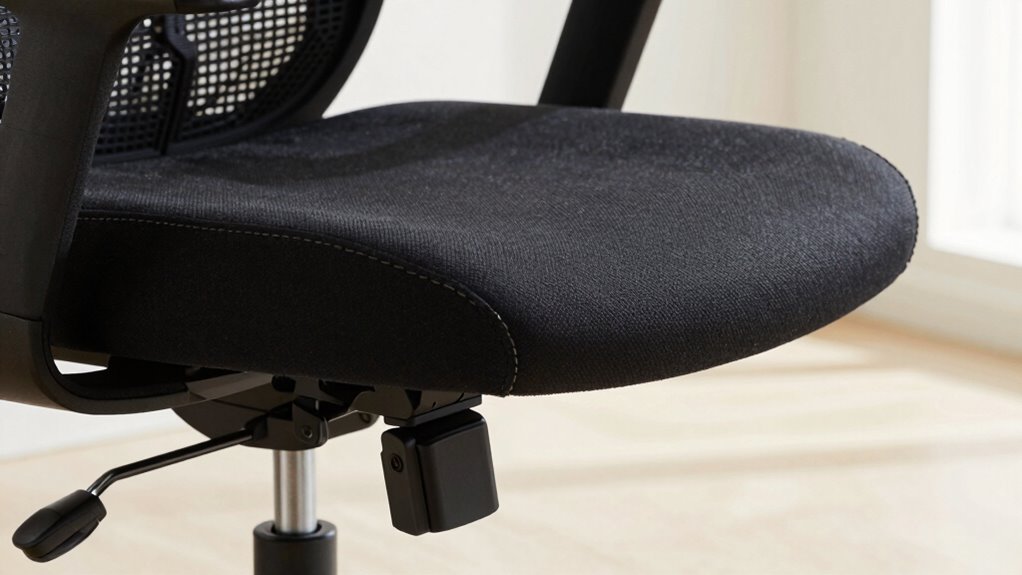
To achieve the best comfort and support, you need to set your office chair’s seat depth correctly. Start by sitting back in the chair and ensuring your back is fully supported. Move the seat forward or backward until there’s about a two-to-three-inch gap between the front edge of the seat and the back of your knees. Adjustments are usually made via a lever or a knob beneath the seat. When choosing your chair, consider color options and material choices that match your workspace and personal style, as these factors influence comfort and aesthetics. Proper seat depth reduces pressure on your thighs and promotes good posture, preventing fatigue. Take the time to fine-tune this adjustment for a customized fit and ideal working experience. Additionally, understanding ergonomic principles can help you optimize your chair setup for long-term comfort and health. Ensuring your chair is suitable for highlighted hair with UV filters and moisturizing agents can also contribute to overall comfort if you spend extended hours at your desk. Being aware of inclusive design in office furniture can further enhance comfort and accessibility for diverse users.
Best Office Chairs With Adjustable Seat Depths
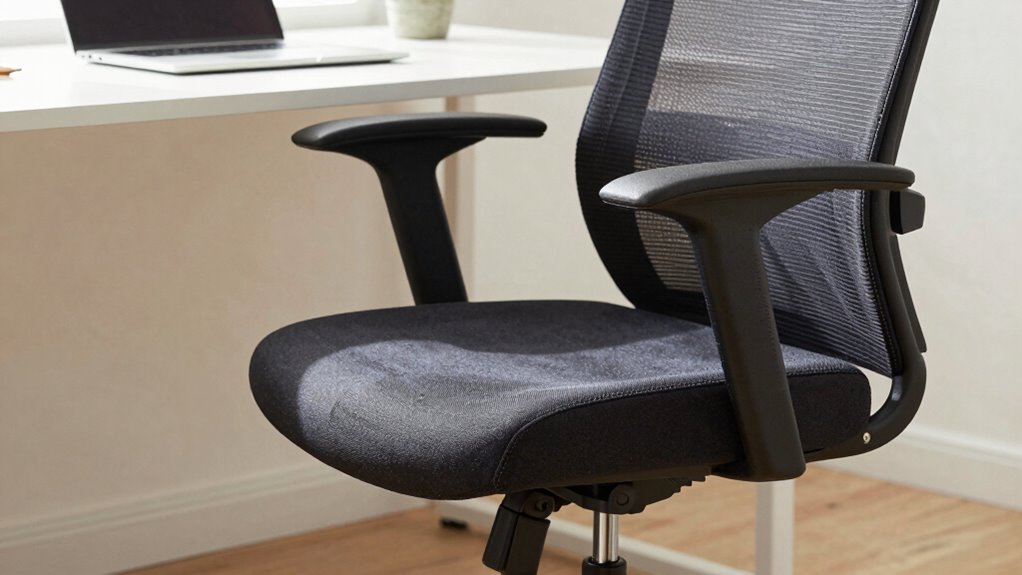
Choosing an office chair with adjustable seat depth lets you customize your sitting position for better comfort. These chairs improve ergonomic support by fitting your body perfectly. With customizable seat depths, you’ll find working hours more comfortable and less tiring.
Customizable Seat Depths
Adjustable seat depth is a key feature to look for in the best office chairs, especially if you want a personalized fit that supports your lower back and thighs comfortably. With customizable seat depths, you can fine-tune the chair to match your body’s proportions, reducing discomfort during long hours. Many chairs offer sleek aesthetic design options that blend seamlessly into any workspace, enhancing visual appeal. Material durability is also essential; look for sturdy construction and high-quality fabrics or plastics that withstand daily use without wear. By choosing a chair with customizable seat depth, you guarantee both comfort and style, making it easier to stay focused and productive throughout your workday.
Enhances Ergonomic Comfort
Since proper ergonomic support is essential for long-term comfort, office chairs with adjustable seat depths allow you to tailor the seating position to your body’s needs. This customization helps reduce strain on your hips and lower back, promoting better posture throughout the day. Many chairs offer a variety of color options, so you can match your workspace aesthetic, and some feature material choices like breathable mesh or plush fabric for added comfort. By adjusting the seat depth, you guarantee your thighs are properly supported without pressure points, enhancing overall ergonomic comfort. The right combination of color options and material choices not only improves functionality but also creates an inviting workspace environment, helping you stay comfortable and focused during long hours at your desk.
Why Ignoring Seat Depth Can Lead to Long-Term Health Issues
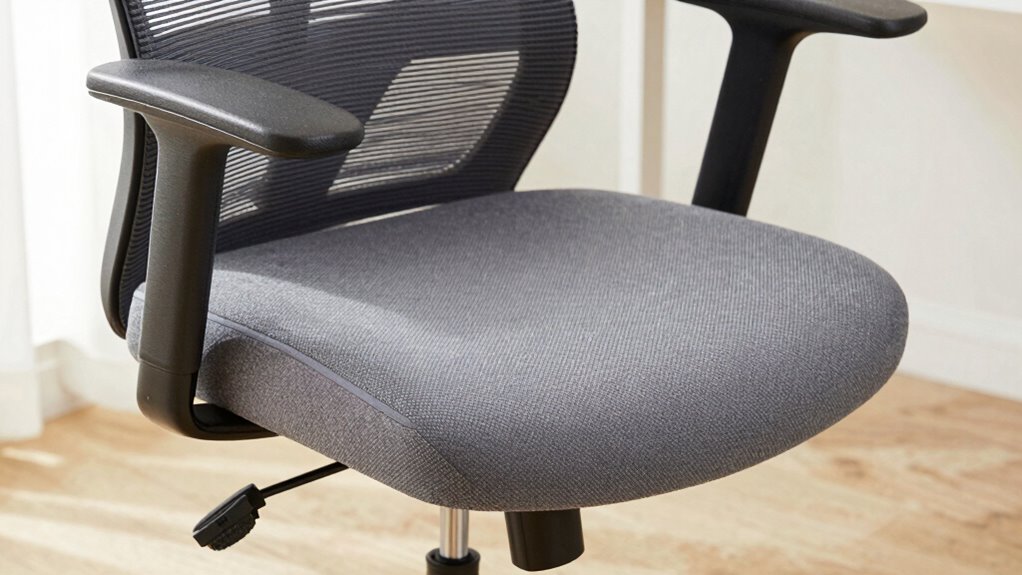
Ignoring seat depth when selecting an office chair can lead to long-term health problems that often go unnoticed until discomfort becomes chronic. Poor seat depth can compromise lumbar support, causing strain on your lower back and leading to persistent pain. When the seat is too shallow or too deep, it doesn’t properly support your spine’s natural curve, which can worsen over time. Additionally, seat depth affects the aesthetic design of your workspace; an ill-fitting chair might look awkward or unprofessional. Over time, neglecting proper seat depth can contribute to poor posture, muscle tension, and even circulatory issues. Ensuring the right seat depth promotes better lumbar support and aligns with your body, helping prevent these health problems and maintaining comfort during long work hours.
Frequently Asked Questions
Can Seat Depth Affect Circulation in Your Legs?
Yes, seat depth can affect your leg circulation. If your chair’s seat is too deep, it might press against the back of your knees, restricting blood flow and causing discomfort. On the other hand, a properly fitted seat enhances seat comfort and promotes better leg circulation. Make sure your chair allows you to sit back comfortably while keeping your feet flat on the floor for ideal support.
What Materials Are Best for Adjustable Seat Depth Chairs?
For adjustable seat depth chairs, you’ll want materials that offer comfort and breathability. Memory foam cushions provide great support and contour to your body, reducing pressure points. Pair that with breathable fabric upholstery to keep you cool during long hours. These materials guarantee your chair remains comfortable, promotes good circulation, and adapts to your movements, making your workspace more ergonomic and enjoyable.
How Often Should You Reassess Your Office Chair’s Seat Depth?
You should reassess your office chair’s seat depth every 6 to 12 months. Did you know that poor ergonomics can lead to a 20% increase in discomfort? Regularly check your cushion firmness and armrest height, ensuring your thighs rest comfortably and your back stays supported. Adjustments keep you aligned and prevent strain. Reassessing keeps your workspace ergonomic and your productivity high, promoting comfort throughout long workdays.
Are There Specific Seat Depths Recommended for Taller or Shorter Individuals?
Yes, taller individuals generally benefit from a deeper seat depth, around 17-20 inches, to support their thighs comfortably, while shorter people may prefer 14-16 inches. Make sure your seat height allows your feet to rest flat on the floor, and lumbar support should align with your lower back. Adjusting seat depth helps maintain proper posture, reducing strain and increasing comfort during long hours at your desk.
How Does Seat Depth Influence Overall Ergonomic Support?
Think of seat depth as the foundation of a sturdy house—if it’s wrong, everything else feels off. Proper seat depth guarantees your lumbar support stays aligned and your arms rest comfortably on the armrests. When it’s just right, it prevents pressure on your thighs and promotes good posture, reducing fatigue. Adjusting seat depth helps you find that perfect balance, giving your whole workspace ergonomic support and comfort.
Conclusion
Don’t let your office chair be a silent saboteur of your comfort and health. Think of seat depth as the key to revealing a throne of proper posture, keeping aches at bay and energy high. By paying attention to this often-overlooked feature, you’re crafting a foundation for long-term well-being. So, take control—adjust, choose wisely, and sit with confidence, knowing your chair’s support is as steadfast as a trusted friend.