Resimercial design combines the cozy feel of home with professional functionality to create inviting, productive workspaces. You’ll find comfortable, ergonomic furniture paired with sustainable materials that add warmth and authenticity. This approach promotes well-being, collaboration, and environmental responsibility, helping you boost morale while maintaining style. If you want to discover how this innovative style can transform your space, keep exploring the benefits and ideas behind resimercial design.
Key Takeaways
- Resimercial design combines residential comfort with professional functionality to create inviting, homey work environments.
- It uses sustainable materials like reclaimed wood and recycled metals to enhance aesthetics and demonstrate social responsibility.
- Ergonomic furniture in resimercial spaces supports health, comfort, and productivity, reducing workplace strain and injuries.
- The integration of plush, cozy furnishings fosters relaxation and collaboration, breaking traditional corporate barriers.
- Overall, it balances visual appeal and practicality, promoting well-being, community, and environmental sustainability in the workplace.
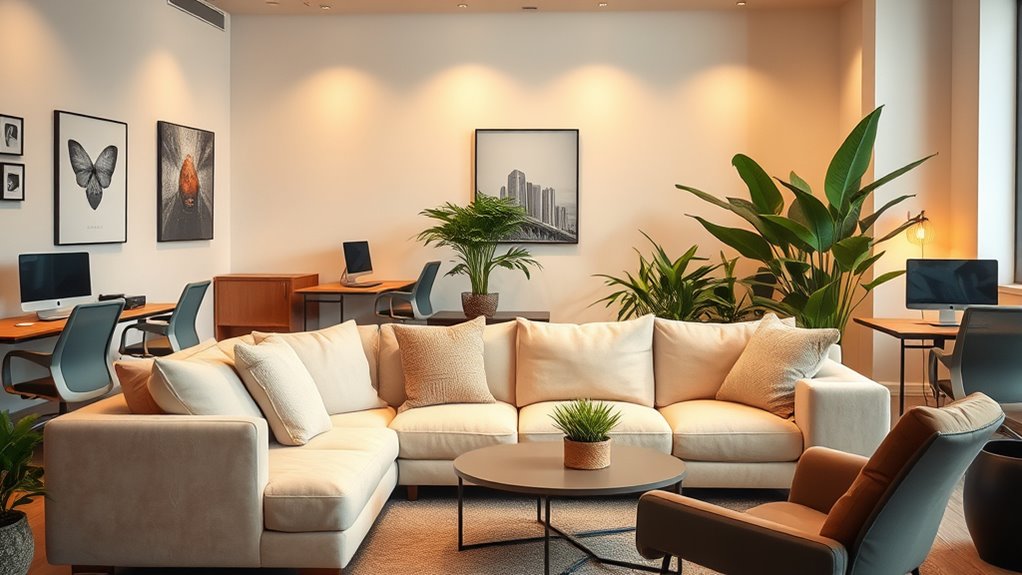
Resimercial design blends the comfort of residential spaces with the functionality of commercial environments, creating workplaces that feel inviting and homey. When you incorporate this style into your office or workspace, you prioritize a relaxed yet professional atmosphere that encourages productivity and well-being. One key element in achieving this balance is the use of sustainable materials. By selecting eco-friendly options like reclaimed wood, recycled metal, and biodegradable textiles, you not only reduce your environmental footprint but also add warmth and character to your space. These materials often come with a unique texture and story that make your environment feel more personalized and authentic. Sustainable choices also signal a commitment to social responsibility, which can resonate well with clients and employees alike.
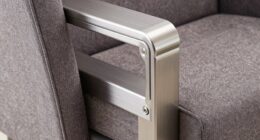
Alongside sustainable materials, ergonomic furniture plays a essential role in resimercial design. When you choose ergonomic chairs, desks, and accessories, you prioritize health and comfort without sacrificing style. Ergonomic furniture supports proper posture, reduces strain, and prevents common workplace injuries, which means you and your team can work longer and more comfortably. These pieces often feature adjustable components, allowing each person to customize their workspace to fit their needs. By integrating ergonomic furniture into your design, you create an environment where comfort is seamless and natural, encouraging focus and reducing fatigue. Incorporating ergonomic furniture also aligns with the trend of health-conscious office design, emphasizing employee well-being.
The beauty of this approach lies in how it seamlessly combines aesthetics with function. You can opt for plush, inviting seating that looks like furniture from a cozy living room, yet offers the support needed for work tasks. This blend helps break down the traditional barriers of corporate environments, making interactions more relaxed and collaborative. The use of sustainable materials also enhances the visual appeal, adding natural textures and tones that create a calming atmosphere. It’s about designing a space that feels good to be in, both visually and physically, which can boost morale and foster a sense of community.
Top picks for "resimercial design blend"
Open Amazon search results for this keyword.
As an affiliate, we earn on qualifying purchases.
Frequently Asked Questions
How Does Resimercial Design Impact Employee Productivity?
You notice that resimercial design boosts your productivity by creating a comfortable, inviting workspace. Ergonomic furniture reduces strain, helping you stay focused longer, while biophilic elements like plants and natural light enhance your mood and creativity. This blend of comfort and professionalism minimizes distractions and fatigue, making it easier to stay engaged and efficient throughout your workday. Ultimately, it transforms your environment into a place where you can perform at your best.
What Are the Best Materials for Blending Comfort and Professionalism?
A stitch in time saves nine, so choose wisely. You should opt for ergonomic fabrics that support comfort and reduce strain, ensuring your workspace feels inviting yet professional. Sustainable materials like organic cotton, hemp, or recycled fabrics not only promote eco-friendliness but also add a sophisticated touch. These materials blend durability with style, helping you create an environment where productivity and well-being thrive without sacrificing professionalism.
How Can Small Offices Incorporate Resimercial Elements Effectively?
You can incorporate resimercial elements by choosing ergonomic solutions like comfortable chairs and adjustable desks that enhance workspace aesthetics. Add soft furnishings, such as cozy rugs and cushions, to create a welcoming atmosphere. Use warm lighting and artwork to soften the environment without sacrificing professionalism. Small offices benefit from multi-functional furniture that maximizes space while maintaining a comfortable, stylish vibe, making the workspace inviting yet efficient.
What Are Common Challenges in Implementing Resimercial Design?
Like trying to fit a square peg in a round hole, implementing resimercial design faces challenges. You may struggle with space constraints, making it tough to balance comfort and professionalism. Budget limitations can also hinder your efforts, forcing compromises on quality or scope. To overcome these issues, prioritize multifunctional furniture and creative layouts, ensuring you maximize your available space while staying within budget, creating a welcoming yet professional environment.
How Does Resimercial Design Influence Client Perceptions?
Resimercial design positively influences client perceptions by fostering a sense of comfort and professionalism. When you incorporate inviting furniture and warm aesthetics, you build client trust and enhance your brand image. Clients feel more at ease and confident in your space, which encourages loyalty and positive word-of-mouth. This thoughtful blend shows you value their experience, ultimately strengthening your reputation and making a lasting impression.
Conclusion
So, after all this talk about blending comfort with professionalism, you might think the office would become a cozy living room. Ironically, it’s not about turning work into relaxation but creating a space where you actually want to stay—without losing that professional edge. Resimercial design proves you don’t have to sacrifice style for comfort, or vice versa. Who knew? Now, go ahead—make your workspace both inviting and efficient, and maybe enjoy working a little more.