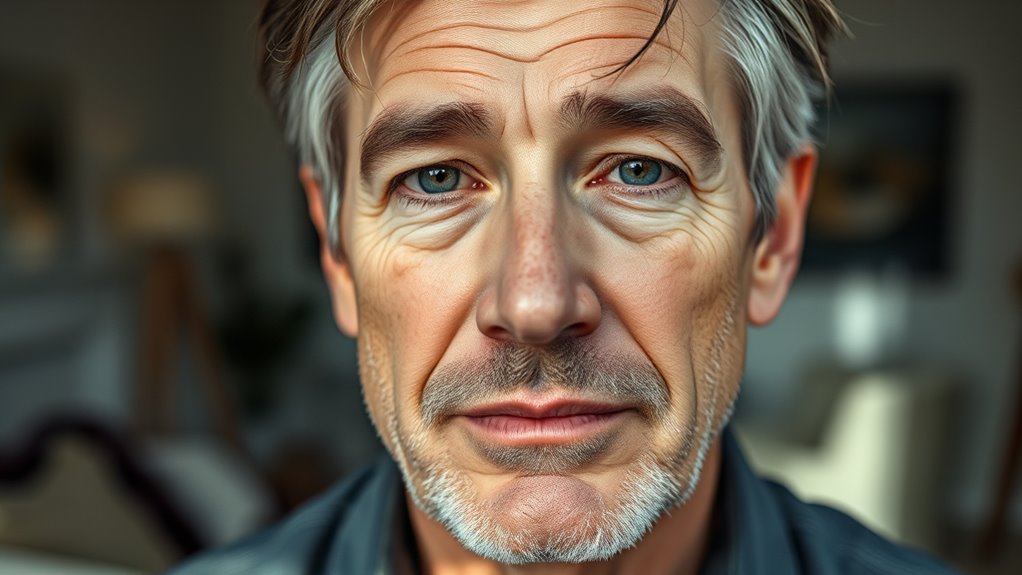

As you age past 40, your hormone levels—especially testosterone—gradually decline, leading to a condition called andropause. It can cause changes like reduced energy, decreased libido, mood swings, and loss of muscle strength. Recognizing these symptoms early helps you manage them better. Lifestyle adjustments and medical options like hormone therapy are available. To understand more about what you can do and how to support your vigor, explore the full picture ahead.

Turn quiet afternoons into listening time
- Thousands of audiobooks, podcasts and originals
- Listen on your phone, tablet or Echo — also offline
- Cancel anytime
Key Takeaways
- Andropause involves age-related declines in testosterone, leading to symptoms like fatigue, mood changes, and decreased libido.
- Hormonal fluctuations after 40 are natural but may require testing for diagnosis.
- Lifestyle adjustments such as exercise, balanced diet, and stress management can support hormone health.
- Medical options like hormone replacement therapy exist but carry potential risks; consulting a healthcare provider is essential.
- Nutritional support with nutrients like zinc, vitamin D, and seeds can help mitigate hormonal declines.

Have you ever noticed changes in your energy levels, mood, or libido after turning 40? If so, you’re not alone. Many men experience what’s often called andropause, a natural part of aging that involves hormonal fluctuations, especially a decline in testosterone levels. Testosterone decline can bring about various symptoms, from decreased muscle mass and strength to feelings of fatigue and reduced sexual desire. Recognizing these signs early and understanding symptom management options can help you maintain your quality of life.
Noticing energy, mood, or libido changes after 40? Understand and manage andropause for a healthier, more vibrant life.
As testosterone levels decrease, you might notice a dip in your energy and motivation. Tasks that once seemed easy may now feel more taxing, and you might find yourself feeling more irritable or less optimistic. Your libido may also take a hit, leading to less interest in intimacy and a dip in sexual performance. These changes can be frustrating, but it’s important to remember they are common and often manageable.
Symptoms management begins with a proactive approach. First, consult your healthcare provider for proper testing to confirm if your testosterone levels are indeed declining. Once diagnosed, you might consider lifestyle adjustments such as regular exercise, a balanced diet, and sufficient sleep—all of which can naturally support hormone health. Strength training, in particular, has been shown to boost testosterone production. Managing stress is equally essential, as chronic stress can further suppress hormone levels and worsen symptoms.
In some cases, your doctor might recommend hormone replacement therapy (HRT) or other medical treatments to help restore testosterone levels. While these options can be effective, they also come with potential risks and side effects, so thorough discussions with your healthcare provider are necessary. Besides medical interventions, natural supplements and herbs like zinc, vitamin D, or fenugreek may provide some benefit, but always speak with your doctor before adding supplements to your routine.
Monitoring your symptoms and maintaining open communication with your healthcare provider allows for tailored treatment plans. It’s also helpful to stay informed about the latest research on andropause and hormone management strategies. Remember, symptoms like fatigue, mood swings, or decreased libido aren’t just signs of aging—they’re signals that your body needs support. Additionally, incorporating seeds into your diet, such as chia or flaxseeds, can provide nutritional support that may help optimize hormone health. With the right approach, you can manage these changes effectively, preserve your vitality, and continue enjoying a fulfilling life well beyond 40.
testosterone booster supplements for men
As an affiliate, we earn on qualifying purchases.
As an affiliate, we earn on qualifying purchases.
Frequently Asked Questions
Can Lifestyle Changes Fully Reverse Andropause Symptoms?
You might wonder if lifestyle changes can fully reverse andropause symptoms. While they can considerably improve your well-being, they may not completely eliminate symptoms. Regular exercise benefits your energy levels and mood, while dietary adjustments support hormone balance. Combining these with other healthy habits can help manage symptoms, but it’s also wise to consult a healthcare professional for personalized treatment options to achieve the best results.
Are There Natural Supplements to Boost Testosterone After 40?
Imagine opening a secret garden of vitality—natural supplements can help you get there. You might try herbal remedies like tribulus terrestris or ginseng, and dietary supplements such as zinc or vitamin D, which are known to support testosterone production. While they won’t work miracles, incorporating these into your routine could boost your energy and mood naturally. Always consult a healthcare professional before starting any new supplement regimen.
How Does Andropause Differ From Male Menopause?
You might wonder how andropause differs from male menopause, but they’re not quite the same. As you age, male hormonal decline affects testosterone levels gradually, leading to symptoms like fatigue and reduced libido—this is andropause. Male menopause, however, is less common and often used interchangeably, though it suggests a sudden hormonal drop similar to female menopause. Overall, male aging involves a slow, natural decline rather than abrupt changes.
What Are the Long-Term Health Risks of Low Testosterone?
Low testosterone can lead to serious long-term health risks. You might experience a decrease in bone density, making fractures more likely. Your cardiovascular health could also decline, increasing the risk of heart disease and stroke. Staying aware of these risks encourages you to seek medical advice, maintain a healthy lifestyle, and consider treatments that support hormone balance, helping you preserve your overall health and well-being over time.
Is Hormone Replacement Therapy Safe for Aging Men?
Thinking about hormone therapy? It’s a bit of a double-edged sword—while it can help restore energy and mood, safety concerns exist, especially for aging men. You should consult your doctor to weigh the benefits against risks like heart issues or prostate health. If monitored carefully, hormone therapy can be safe, but you must stay vigilant and keep regular check-ups to avoid potential pitfalls.
men's hormone support supplements
As an affiliate, we earn on qualifying purchases.
As an affiliate, we earn on qualifying purchases.
Conclusion
As you reach your 40s, understanding andropause helps you navigate these changes like a seasoned sailor adjusting to shifting winds. Remember, your body’s hormonal landscape is in flux, but with awareness and proactive steps, you can steer through this period smoothly. Embrace the journey as a chapter of growth, not decline. After all, just like a river flowing forward, your energy can continue to thrive with the right care and mindset.
vitamin D and zinc supplements for testosterone
As an affiliate, we earn on qualifying purchases.
As an affiliate, we earn on qualifying purchases.
men's strength training equipment
As an affiliate, we earn on qualifying purchases.
As an affiliate, we earn on qualifying purchases.
Fall Picks
fall essentials
As an affiliate, we earn on qualifying purchases.