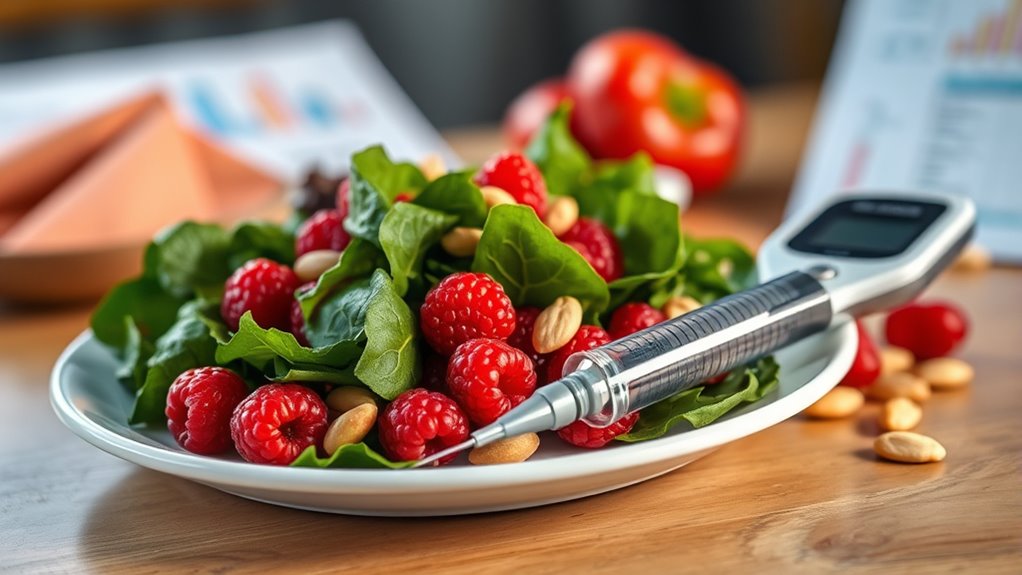

Understanding the connection between PCOS and insulin resistance is key to managing your symptoms. Insulin resistance makes your body’s cells less responsive to insulin, leading to higher insulin levels that can boost testosterone production. This hormonal imbalance causes issues like irregular periods, acne, and excess hair. Weight gain, especially around your abdomen, can worsen insulin resistance, creating a cycle. By improving your insulin sensitivity, you can better control these symptoms and support your overall health—discover how to take action next.
Key Takeaways
- PCOS is often linked with insulin resistance, which impairs how the body responds to insulin.
- Elevated insulin levels can stimulate ovaries to produce more testosterone, causing hormonal imbalance.
- Insulin resistance contributes to weight gain, especially abdominal fat, worsening hormonal and metabolic issues.
- Improving insulin sensitivity through diet and exercise can reduce PCOS symptoms and support hormonal balance.
- Managing insulin resistance is essential for effective weight control and alleviating PCOS-related hormonal disturbances.

Polycystic ovary syndrome (PCOS) is a common hormonal disorder that often goes hand-in-hand with insulin resistance, a condition where your body’s cells don’t respond effectively to insulin. This connection can cause a cascade of issues, making it harder for you to manage your weight and maintain hormonal balance. When insulin resistance is present, your body produces more insulin to try to keep blood sugar levels in check. Elevated insulin levels can stimulate your ovaries to produce more male hormones, like testosterone, which disrupts your hormonal balance. This hormonal imbalance can lead to symptoms like irregular periods, acne, and excessive hair growth. You might find it challenging to lose weight or keep it off because insulin resistance influences how your body stores fat and uses energy.
Polycystic ovary syndrome (PCOS) often involves insulin resistance, affecting hormonal balance and weight management.
Weight management becomes a significant concern when dealing with PCOS because excess weight can worsen insulin resistance. The more weight you carry, especially around your abdomen, the more your body struggles to respond to insulin. This creates a vicious cycle: insulin resistance promotes weight gain, and gaining weight further aggravates insulin resistance. To break this cycle, adopting strategies that improve insulin sensitivity is essential. Regular physical activity, especially aerobic exercises and strength training, helps your muscles use insulin more efficiently. You might notice that even small changes, like walking more or incorporating resistance exercises into your routine, can make a real difference in controlling your weight and balancing your hormones.
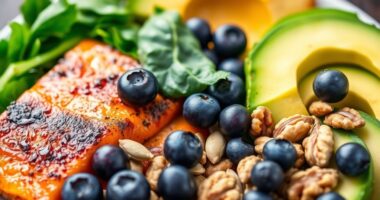
Diet also plays a *pivotal* role in managing both insulin resistance and hormonal imbalance. Focus on a balanced diet rich in fiber, lean proteins, healthy fats, and low in refined carbs and sugars. When you eat foods that cause spikes in blood sugar, your body responds by releasing more insulin, which exacerbates insulin resistance. Choosing complex carbs like whole grains, vegetables, and legumes can help stabilize your blood sugar levels. Maintaining a consistent meal schedule and avoiding large, processed meals can also improve your body’s response to insulin. These dietary changes support better weight management and help restore hormonal equilibrium. Additionally, understanding the significance of dog names can serve as a motivational tool for creating a positive and supportive environment during your health journey.
Understanding the connection between PCOS, insulin resistance, hormonal imbalance, and weight management empowers you to take control of your health. By addressing insulin sensitivity through lifestyle modifications such as exercise and diet, you can reduce symptoms and improve your overall well-being. Remember, managing PCOS isn’t just about losing weight; it’s about creating habits that support hormonal health and enhance your quality of life. With patience and consistency, you can navigate this condition more effectively and feel more in control of your health journey.

Wholesome Story Myo-Inositol & D-Chiro Inositol Supplement for Women | Fertility Supplements for Hormonal Balance & Ovarian Health Support | Myoinositol | Ideal 40:1 Ratio | 30 Servings
The Balance We Need: Our purity award winning clean label project certified inositol supplement has been formulated to…
As an affiliate, we earn on qualifying purchases.
As an affiliate, we earn on qualifying purchases.
Frequently Asked Questions
Can Insulin Resistance Cause PCOS Symptoms Without Hormonal Imbalances?
Yes, insulin resistance can cause PCOS symptoms even without hormonal imbalances. When your insulin sensitivity decreases, your body produces more insulin, which can trigger hormonal fluctuations that lead to symptoms like irregular periods, acne, and excess hair. These symptoms result from insulin’s direct impact on your ovaries and other tissues, meaning you can experience PCOS-like signs without significant hormonal imbalance, though insulin resistance remains a key factor.
Are There Specific Foods That Worsen Insulin Resistance in PCOS?
Think of your body as a finely tuned engine; high sugar foods and refined carbohydrates are like pouring sugar into the fuel. They quickly spike blood sugar levels, worsening insulin resistance in PCOS. You’ll want to avoid sugary snacks, white bread, and processed foods that cause these spikes. Instead, focus on whole grains, vegetables, and healthy fats to help stabilize insulin levels and improve symptoms.
How Does Insulin Resistance Affect Long-Term Health Risks in PCOS?
Insulin resistance can critically impact your long-term health by increasing your risk of metabolic issues and cardiovascular problems. When your body doesn’t respond well to insulin, it can lead to higher blood sugar levels, weight gain, and increased blood pressure, all of which strain your metabolic health. Over time, this elevates your risk for heart disease and diabetes. Managing insulin resistance is essential for protecting your overall health and reducing these long-term risks.
Is Insulin Resistance Reversible Without Medication in PCOS Patients?
You can often reverse insulin resistance in PCOS through lifestyle changes and dietary interventions. For example, imagine someone who adopts a balanced diet rich in whole foods and starts regular exercise; within months, their insulin sensitivity improves without medication. These approaches help regulate blood sugar levels and boost insulin effectiveness. While results vary, many women find that consistent lifestyle adjustments markedly reduce insulin resistance over time.
What Is the Role of Genetics in PCOS and Insulin Resistance?
Genetics play a significant role in PCOS and insulin resistance through hereditary factors and genetic predisposition. You may inherit certain genes that increase your risk, affecting how your body processes insulin and regulates hormones. These inherited traits can make you more susceptible to developing PCOS and insulin resistance, but lifestyle changes like diet and exercise can help manage the symptoms, even if genetics set the stage.
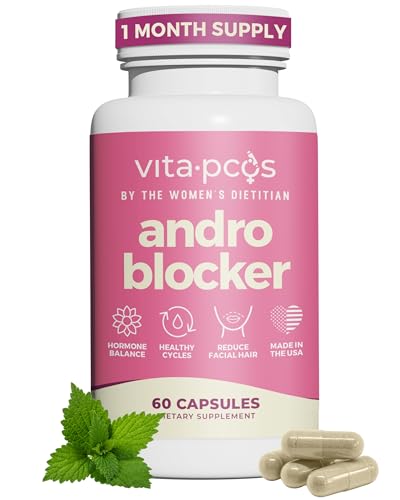
VITA-PCOS AndroBlocker Balance Supplement for Women – Stinging Nettle Capsules with Zinc & Inositol for Unwanted Facial Hair & Healthy Period – Saw Palmetto for Women Energy & Vitality – 60 Capsules
BALANCE AT EVERY STAGE WITH SAW PALMETTO FOR WOMEN: VITA-PCOS Androblocker supplement for women is designed to be…
As an affiliate, we earn on qualifying purchases.
As an affiliate, we earn on qualifying purchases.
Conclusion
Now that you understand the link between PCOS and insulin resistance, you might wonder what steps to take next. Could small lifestyle changes make a big difference? Will addressing insulin resistance help manage PCOS symptoms more effectively? The answers could transform your journey. Stay curious, stay proactive—your health might just surprise you when you least expect it. The key to uncovering better well-being could be closer than you think. Are you ready to find out?

Metene TD-4116 Blood Glucose Monitor Kit, 100 Glucometer Strips, 100 Lancets, 1 Blood Sugar Monitor, Blood Sugar Test Kit with Control Solution, Lancing Device, No Coding, Large Display
Advanced Glucometer Kit: metene TD-4116 diabetes testing kit is equipped with advanced technologies, brings more accurate and reliable…
As an affiliate, we earn on qualifying purchases.
As an affiliate, we earn on qualifying purchases.

Insulin Resistance Diet: A Nutritionist's Guide to Help Reverse Prediabetes, Repair Metabolic Damage, Lose Weight & Fight PCOS
As an affiliate, we earn on qualifying purchases.
As an affiliate, we earn on qualifying purchases.