Fermentation at home is simple and rewarding, especially for making kimchi, kombucha, and other tasty foods. You’ll need basic tools like glass jars or fermentation vessels that are food-safe and airtight. Using the right starter cultures guarantees your fermentation is safe and successful, enhancing flavor and texture. With some hygiene practices and trusted recipes, you’ll develop skills over time. Keep exploring to discover even more tips and techniques for perfect fermentations.
Key Takeaways
- Select appropriate starter cultures and fermentation vessels to ensure safe, consistent, and flavorful results at home.
- Use non-reactive, airtight containers like glass jars with airlocks to prevent contamination and pressure buildup.
- Follow trusted recipes and maintain hygiene to successfully ferment foods like kimchi and kombucha.
- Experiment with different cultures and vessels to refine flavors and textures over time.
- Understand the fermentation process to improve skills and enjoy nutritious, homemade fermented foods.
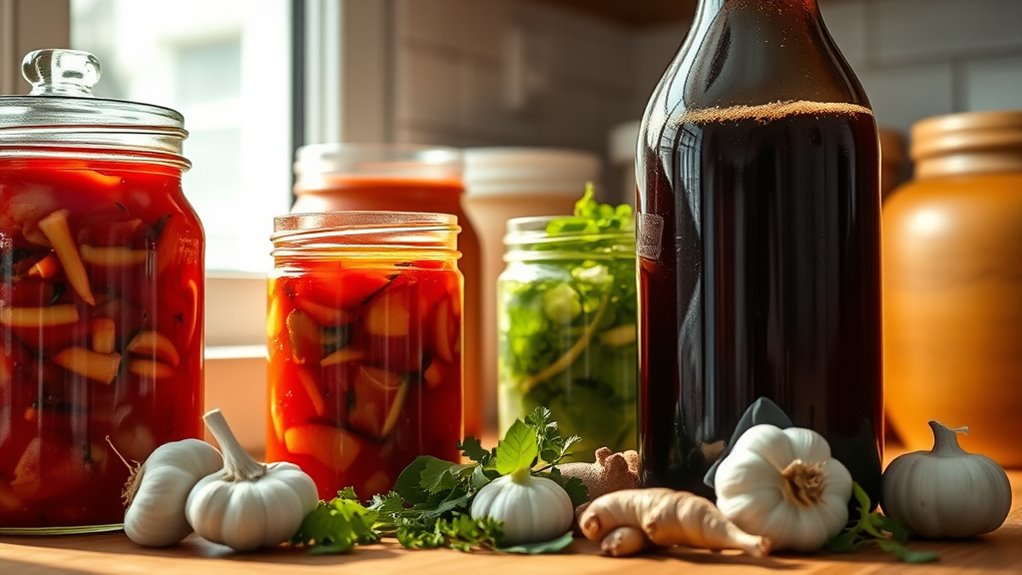
Fermentation at home is a rewarding and accessible way to transform simple ingredients into flavorful, nutritious foods. Whether you’re making tangy kimchi, bubbly kombucha, or other fermented treats, having the right tools and knowledge makes all the difference. One of the most important aspects is understanding how starter cultures work. These cultures are essential because they introduce the specific bacteria or yeast needed to jump-start the fermentation process. For example, in making kombucha, you’ll use a SCOBY, which is a symbiotic culture of bacteria and yeast. In creating kimchi, you might rely on naturally occurring bacteria from the vegetables or add a starter culture to ensure a consistent and safe fermentation. Using starter cultures not only improves the reliability of your projects but also enhances flavor and texture, giving you more control over the final product.
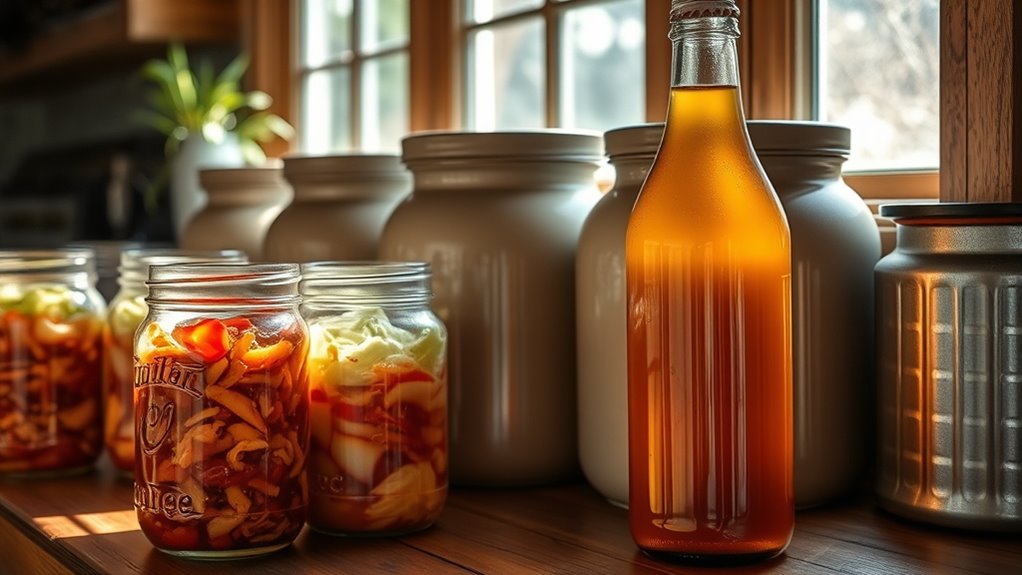
Equally important are fermentation vessels. These are the containers where your ingredients will ferment and develop their signature flavors. You want vessels that are food-safe, non-reactive, and easy to clean. Glass jars are a popular choice because they don’t interfere with the fermentation process and allow you to monitor progress visually. Fermentation vessels should also have an airtight seal or a way to release gases, such as a special lid or airlock system, to prevent pressure buildup and contamination. Proper vessels help maintain an environment that favors beneficial microbes while keeping out unwanted bacteria or mold. When choosing your vessels, consider size, ease of use, and how well they fit into your kitchen setup. Mason jars, fermentation crocks, or specialized kombucha brewers all work well, depending on the type of ferment you’re making. Additionally, understanding how starter cultures work can help you troubleshoot and refine your fermentation process, leading to better results over time.
Getting started with fermentation at home doesn’t require a lot of fancy equipment. With a good set of fermentation vessels and quality starter cultures, you can begin experimenting almost immediately. Keep your ingredients fresh, maintain proper hygiene, and follow trusted recipes to ensure successful fermentations. As you gain experience, you’ll learn how different starter cultures and vessel types influence your results. The process becomes more intuitive, and you’ll start to develop your own palate for the complex flavors that fermentation can produce. Making fermented foods at home is not just about health benefits; it’s also about creativity and connection to traditional methods. With a little practice, you’ll be creating delicious, nourishing foods that are uniquely yours.

Cutting Edge Cultures Vegetable Starter Culture, 6 Pouches, 12g
Contains 6 pouches each pouch ferments 5 pounds of vegetables
As an affiliate, we earn on qualifying purchases.
As an affiliate, we earn on qualifying purchases.
Frequently Asked Questions
How Do I Prevent Mold During Fermentation?
To prevent mold during fermentation, you should follow proper cleaning tips to keep your equipment sanitized. Make sure to thoroughly clean jars and utensils before use, and always remove any mold spots promptly with vinegar or alcohol-based solutions. Keep the fermentation environment clean and dry, and guarantee your ingredients are fresh. Properly submerge your ferment in brine or liquid, and regularly check for mold, removing it immediately to avoid spreading.
What Are Common Signs of Fermentation Failure?
When things go south in fermentation, you’ll notice signs like off smells, unusual colors, or slimy textures—definitely a red flag. If your fermentation temperature isn’t right or your container hygiene slips, failure is likely. Keep an eye out for these signs, and remember, a little attention to detail can make all the difference. If something seems off, trust your senses and don’t hesitate to start fresh.
Can I Reuse Fermentation Starters or Brine?
Yes, you can reuse fermentation starters and brine, but with caution. For starter reuse, make sure it’s still active and free from mold or off-odors. Preserve brine by storing it in a sealed jar in the fridge, and only reuse if it still smells and tastes right. Always check for signs of spoilage before reusing, and consider revitalizing the brine occasionally to maintain healthy fermentation.
How Long Can Fermented Foods Be Stored Safely?
You can typically store fermented foods safely for several months if you follow proper storage temperature guidelines. Use a suitable fermentation vessel, like glass or food-grade plastic, to prevent contamination. Keep your fermented foods in the refrigerator at around 35-40°F (1.5-4°C), which slows fermentation and preserves quality. Regularly check for off smells or mold, and always guarantee your storage environment remains clean and consistent for maximum safety.
Are There Any Health Risks With Home Fermentation?
Did you know that about 20% of home-fermented foods might face microbial contamination? Home fermentation safety is generally good if you follow proper hygiene and recipes, but risks include harmful bacteria or mold growth. To avoid health risks, always use clean equipment, monitor fermentation, and discard any foods with off-smells or visible mold. Staying attentive helps guarantee your fermentation journey stays safe and delicious.

Dwbligt 2 Pack Fermentation Jars with 3 Airlocks, Half Gallon Glass Jars with Airtight Lid, 64 oz Wide Mouth Mason Jar with Scale Line for Pickling, Mead Making, Kimchi, Sourdough and Food Containers
Wide Mouth Mason Jars: Built-in sealing silicone gaskets and detachable silicone grommet, no need to replace the lid…
As an affiliate, we earn on qualifying purchases.
As an affiliate, we earn on qualifying purchases.
Conclusion
As you continue fermenting at home, you realize it’s more than just a hobby—it’s a connection to tradition and discovery. Sometimes, the tiniest bubbles or a tangy smell remind you that nature’s magic is happening right under your nose. It’s funny how, in those quiet moments, you find yourself learning patience and trust, just when you least expect it. Fermentation becomes not only about food but about embracing the surprises that come with every jar you fill.

Organic SCOBY Kombucha Starter Kit with Live Culture for Brewing Kombucha Tea – Urban Kitchen
USDA Certified Organic: These MOSA certified SCOBY and Starter Liquid Pouches are brewed with a proprietary blend of…
As an affiliate, we earn on qualifying purchases.
As an affiliate, we earn on qualifying purchases.
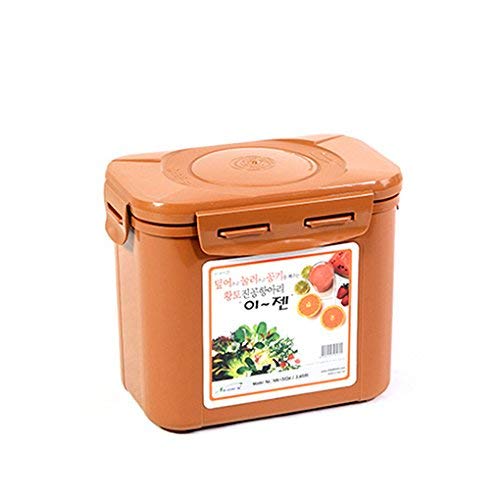
E-Jen Premium Kimchi, Sauerkraut Container Probiotic Fermentation with Inner Vacuum Lid (Earthenware Brown, 0.45 gal/ 1.7L)
Easy to use! Essential product for kimchi, pickling vegetables, and making delicious sauerkraut
As an affiliate, we earn on qualifying purchases.
As an affiliate, we earn on qualifying purchases.