
TL;DR

Get comfort and care essentials delivered free — and shop member deals
- Fast, free delivery on millions of items
- Access to Prime Big Deal Days deals on October 6–7
- Prime Video, Amazon Music and more included
A Sixty and Me report says movement, sleep, nutritious food and social connection are among the everyday habits that may support healthier aging after 60. The report discusses research associations, not proof that these habits can reverse aging or change a person’s biological age.
Sixty and Me has published a report on habits that may support healthier aging after 60, including regular movement, sleep, a nutritious diet and social connection. The report distinguishes chronological age, the number of years a person has lived, from biological aging, a broader measure of how the body functions; it does not claim that lifestyle can stop or reverse aging.
The report describes familiar influences on health as people age, including smoking, excess sun exposure, chronic stress, poor sleep, inactivity and excess weight. It says genetics also play a role, citing Harvard Medical School genetics professor David Sinclair’s estimate that genes may account for up to half of the rate at which people age. That estimate is presented in the source report and is not a personalized prediction of an individual’s health or lifespan.
It also points to research on less direct influences. A study of 726 middle-aged women, as summarized in the report, found an association between greater anxiety about growing older and faster epigenetic aging. Epigenetic changes affect how genes are switched on and off. The reported association does not establish that worrying about aging causes a person to age faster, and the study group does not represent every person over 60.
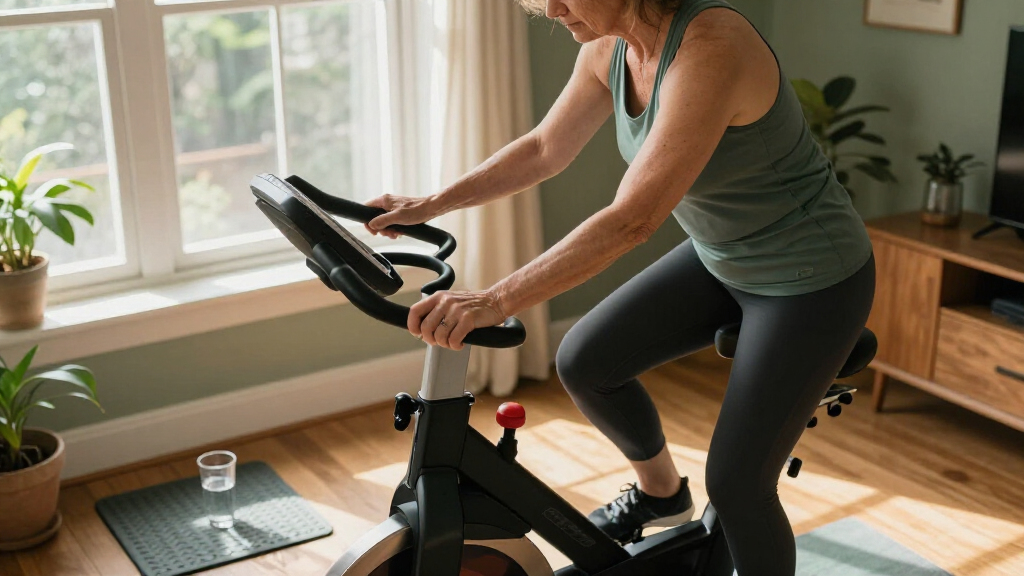
The practical suggestions are deliberately modest: maintain physical activity that can be done safely, keep a consistent sleep routine, eat more minimally processed foods such as vegetables, fruit, beans, whole grains and nuts, and make time for other people. The report also encourages having a sense of purpose. These are presented as habits associated with healthier aging, not as a treatment plan or guarantee of particular results.
Everyday Habits, Long-Term Health
The report matters because it frames aging as more than a number on a birthday cake while avoiding the promise that people can control every aspect of how their bodies change. Its central point is that some health-related influences may be modifiable, even though genes, past exposures and the passage of time are not.
For readers over 60, the suggestions focus on choices that can be adapted to individual circumstances rather than demanding intensive exercise or restrictive diets. Regular movement can help people avoid prolonged inactivity, while maintaining relationships may support emotional and physical well-being. Still, the report does not quantify how much any one habit changes biological aging, nor does it establish that following its suggestions will prevent disease or extend life.
That distinction is important: broad lifestyle guidance can be useful, but individual health needs differ. Anyone considering changes to exercise, diet or sleep because of a medical condition should seek advice from a qualified health professional.
senior-friendly movement and exercise equipment
As an affiliate, we earn on qualifying purchases.
As an affiliate, we earn on qualifying purchases.
Age in Years and Body Function
Chronological age is straightforward: it counts the years since birth. Biological age is less direct and refers to aspects of physical functioning and cellular changes. The source report uses the distinction to explain why people of the same chronological age can have different health profiles. It does not identify a single definitive biological-age test or provide a method for calculating a reader’s biological age.
The report also says possible influences extend beyond individual routines. It names air pollution, frequent alcohol use, disrupted sleep schedules and gut bacteria balance among factors discussed in the Harvard article it references. Its discussion of processed foods and the microbiome is general; the supplied material gives no specific study details or evidence that changing diet will produce a particular biological-age outcome.
““Chronological age is the number of years we have lived. Biological age is a measure of how well our bodies are functioning.””
— Sixty and Me report
As an affiliate, we earn on qualifying purchases.
Limits of the Evidence Cited
The supplied source material does not provide a publication date for the report or full citations for all of the research it summarizes. Details such as the study’s methods, the size of the association between aging anxiety and epigenetic measures, and whether findings apply to people over 60 are not included. The association described should not be treated as proof of cause and effect.
It is also unclear from the report how much each recommended habit may affect biological aging, or how those effects vary with a person’s health, circumstances and access to care. The source offers general suggestions rather than clinical guidance, and it does not promise that any action can stop aging.
nutritious food storage containers
As an affiliate, we earn on qualifying purchases.
As an affiliate, we earn on qualifying purchases.
Practical Steps Without Guarantees
The report’s suggested next steps are ordinary activities that readers can consider in light of their own abilities: take a walk or try another suitable form of movement, establish a regular bedtime, include more minimally processed foods, and reach out to a friend or community group. It also encourages people to maintain interests and goals that give structure and meaning to daily life.
No further study, policy action or clinical milestone is announced in the source. For now, the report’s message is to treat these habits as possible supports for general well-being, not as a way to measure or control aging precisely. Readers with health concerns can discuss safe, appropriate changes with a qualified professional.
social connection activity kits for seniors
As an affiliate, we earn on qualifying purchases.
As an affiliate, we earn on qualifying purchases.
Key Questions
Can lifestyle choices change chronological age?
No. Chronological age is the number of years a person has lived. The report says some factors that influence health and biological aging may be affected by lifestyle, but it does not suggest that habits change chronological age.
Does worrying about aging make the body age faster?
The report summarizes a study that found an association between greater aging anxiety and faster epigenetic aging among 726 middle-aged women. That finding does not prove that anxiety causes faster aging, and the source does not establish that it applies to everyone over 60.
Which everyday habits does the report recommend?
It points to regular, safe movement, consistent sleep, a diet built around minimally processed foods, social connection and a sense of purpose. These are general suggestions, not guaranteed ways to prevent illness or reverse aging.
Does the report say people should follow a strict diet or exercise program?
No. It describes flexible options such as walking, stretching, gardening or swimming and suggests eating more vegetables, fruit, beans, whole grains and nuts. People with health conditions should ask a qualified professional what changes are appropriate for them.
Source: rss
Fall Picks
fall essentials
As an affiliate, we earn on qualifying purchases.