

To effectively use natural and artificial light, start by maximizing sunlight during the day with large windows or reflective surfaces. Balance this with artificial lighting by choosing the right bulbs—warm for cozy spaces and cool for functional areas—and incorporate diffusers or shades to soften harsh light. Use layered lighting to create depth, and control sources with dimmers and smart home systems for flexibility. Keep exploring more tips to transform your space into a well-lit haven.
Key Takeaways
- Maximize natural light by using large windows, reflective surfaces, and strategic furniture placement to brighten indoor spaces.
- Choose appropriate artificial lighting with adjustable color temperature to complement natural light and set the desired mood.
- Use diffusing fixtures like lampshades or frosted bulbs to create even illumination and reduce harsh shadows.
- Adjust light temperature based on activity: warm light for relaxation, cooler light for focus and productivity.
- Combine natural and artificial light sources to enhance space functionality, ambiance, and visual comfort.
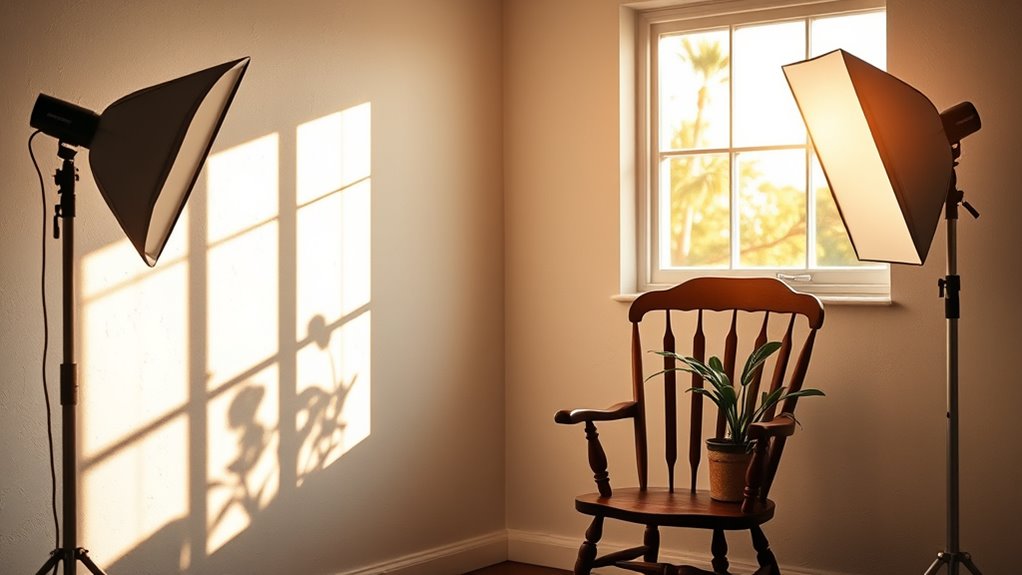
Have you ever wondered how proper lighting can transform a space? The right lighting setup can make your room feel warmer, more inviting, or brighter and more energetic. One key aspect to consider is light temperature, which refers to the hue of the light emitted by your fixtures. Light temperature is measured in Kelvin (K), and it influences the mood and functionality of a space. For example, lower Kelvin temperatures (around 2700K to 3000K) produce warm, yellowish light that creates a cozy atmosphere, perfect for living rooms or bedrooms. Conversely, higher Kelvin temperatures (around 4000K to 6500K) emit cooler, bluish light suitable for workspaces or kitchens where clarity is essential. By selecting the appropriate light temperature, you can set the tone of your environment and support different activities effectively.
Another vital element is light diffusion, which determines how evenly light spreads across a space. Good diffusion minimizes harsh shadows and glare, resulting in a softer, more uniform illumination. You can achieve ideal diffusion through various methods, such as using lampshades, frosted bulbs, or diffusing panels. These tools help scatter light, making it more pleasant and reducing eye strain. Proper diffusion is especially important in areas where you spend a lot of time, like reading nooks or work desks, because it ensures the light doesn’t create sharp contrasts that can cause discomfort. Additionally, understanding self watering plant pots can help you maintain healthy indoor greenery that benefits from ideal lighting conditions. By controlling light diffusion, you enhance visual comfort and make your space feel more balanced and harmonious.
Understanding how light temperature and diffusion work together allows you to tailor your lighting to your needs. For instance, in a workspace, you might opt for cooler light with good diffusion to boost alertness and reduce fatigue. In contrast, a living room might benefit from warmer light with soft diffusion to foster relaxation. Adjusting these factors isn’t complicated—many modern lights come with adjustable settings or diffusing accessories—so you can experiment to find what works best for your space. Remember, the goal is to create an environment that complements your activities while making your space feel welcoming. When you pay attention to light temperature and diffusion, you’re taking meaningful steps toward mastering the art of lighting and transforming your home into a more comfortable, functional, and aesthetically pleasing place.
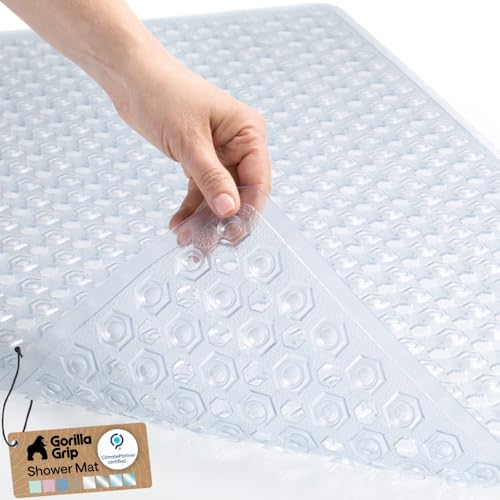
GORILLA GRIP Patented Bath Tub Shower Mat, Machine Washable Bathtub Floor Liner Mats, Suction Cups and Drain Holes to Keep Tubs Clean, Soft on Feet, Bathroom Essentials, 35x16 Inch, Clear
- Patented Design with Suction Cups: Securely stays in place with powerful suction
- Easy Water Drainage: Drain holes prevent water pooling
- BPA-Free and Textured: Soft, pebble-textured surface for comfort
As an affiliate, we earn on qualifying purchases.
Frequently Asked Questions
How Does Light Color Temperature Affect Mood and Productivity?
You’ll find that light color temperature considerably influences your mood and productivity through color psychology. Cooler, bluish tones create a stimulating lighting ambiance, helping you stay alert and focused. Warmer, yellowish tones foster relaxation, ideal for unwinding. Adjusting color temperature to suit your tasks can boost your efficiency and well-being, making your space feel inviting or energizing as needed. Proper lighting enhances your environment and supports your daily performance.
What Are the Best Window Treatments for Maximizing Natural Light?
Think of your windows as gateways to sunshine—choose drapery styles like sheer curtains or light-filtering blinds to let in maximum daylight. I once transformed my space with sheer drapes, and I loved how natural light flooded in. For even more control, consider window film options that reduce glare without blocking sunlight. These choices help brighten your room naturally, boosting mood and productivity effortlessly.
How Can I Reduce Glare From Artificial Lighting?
To reduce glare from artificial lighting, you can use lighting filters or diffusers that soften the light and prevent harsh reflections. Adjust the positioning of your light sources, directing them away from screens or reflective surfaces. Installing dimmers allows you to control brightness levels easily, reducing glare when needed. Additionally, consider using matte finishes on walls and furniture to minimize light reflection and create a more comfortable, glare-free environment.
What Lighting Techniques Are Best for Small Spaces?
Think of your small space as a cozy stage that needs layered lighting to shine. Use ceiling fixtures to cast a gentle, overall glow, then add task lights near work areas and accent lights to highlight features. Layering techniques create depth and prevent the room from feeling cramped. Opt for adjustable fixtures and soft bulbs to keep the space bright yet inviting, making every corner feel open and welcoming.
How Do I Choose the Right Light Bulbs for Different Rooms?
You should choose light bulbs based on the room’s purpose. For longer bulb lifespan and energy efficiency, opt for LED bulbs in living areas and kitchens. Use softer, warm white bulbs for bedrooms to create a relaxing atmosphere. For task lighting, like in your home office, select brighter, cooler bulbs. Always check the lumens for brightness and consider energy efficiency labels to save money and reduce environmental impact.

TEESHLY Bath Tub and Shower Mats, Non Slip 40 x 16 Inch Extra Large Bathtub Mat, Machine Washable Bathmat with Drain Holes, Suction Cups for Bathroom Floor, Gray
- Large Non-Slip Bath Mat: 40 x 16 inches with 362 suction cups
- Massage-Style Pebbled Design: Provides a massage-like shower experience
- Optimized Drainage Holes: 327 large holes for water flow
As an affiliate, we earn on qualifying purchases.
Conclusion
Remember, lighting can make or break your space, so don’t be afraid to experiment with both natural and artificial sources. Use natural light to brighten your day and artificial light to set the mood when needed. As the saying goes, “A little light goes a long way.” Embrace these essentials, and you’ll create a warm, inviting atmosphere that highlights your style and enhances your well-being. Happy lighting!

homerella Bathtub Mat Non Slip 35x16 Shower Mat Non Slip Anti Mold BPA Free
- Non-Slip Design: 250+ anti-slip suction cups for secure grip
- Mold & Mildew Resistant: Machine washable with optimal water drainage
- Skin-Friendly Material: Odorless, BPA-free, eco-friendly vinyl
As an affiliate, we earn on qualifying purchases.

YINENN Bath and Shower Safety Mats 40x16 inch, Non Slip with Suction Cups for Bathroom Stall and Tub Floor, Extra Large and Machine Washable, Drain Holes Keep Bathtub Clean, Clear
- Large Size for Full Coverage: 40x16 inch non-slip bath mat
- Secure Suction Cups: 200 powerful suction cups for stability
- Safe and Slip-Resistant: 360-degree anti-slip protection on smooth surfaces
As an affiliate, we earn on qualifying purchases.