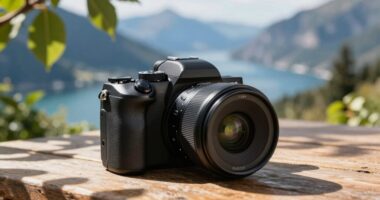
Time-lapse photography captures the passage of time by compressing hours or days into a short sequence, revealing patterns and changes often missed by the naked eye. You control motion blur and exposure settings to craft the mood and clarity of your shots, adjusting for lighting conditions and desired effects. Understanding your camera’s sensor and the relationship between interval and exposure helps you create smooth, impactful sequences. Keep exploring to *discover* the full potential of this fascinating technique.

Turn quiet afternoons into listening time
- Thousands of audiobooks, podcasts and originals
- Listen on your phone, tablet or Echo — also offline
- Cancel anytime
Key Takeaways
- Time-lapse photography condenses long periods into short sequences, revealing patterns often unnoticed in real-time.
- Adjusting motion blur and shutter speed enhances the mood, from sharp to dreamy effects, depending on desired storytelling.
- Proper exposure settings based on lighting conditions ensure consistent, high-quality frames for seamless sequences.
- Understanding your camera sensor helps optimize light intake and exposure, improving overall image quality.
- Selecting appropriate interval and exposure times is crucial for capturing either rapid changes or slow transformations effectively.

Have you ever wondered how filmmakers capture the gradual changes of a sunset or the bustling movement of city streets in just a few seconds? That’s the magic of time-lapse photography. It condenses long periods into a few captivating seconds, revealing patterns and progressions our eyes might miss. To achieve this effect, you need to understand the importance of motion blur and exposure settings. Motion blur, in time-lapse, isn’t just a visual artifact; it’s a tool that can add a sense of speed or calmness, depending on how you use it. When objects move quickly—like cars zipping through a city—you might want to minimize motion blur by using faster shutter speeds, capturing sharper images and reducing streaks. Conversely, if you want to emphasize movement or create a dreamy, flowing look, you can intentionally allow a bit of motion blur by adjusting your exposure settings to longer durations.
Choosing the right exposure is vital for capturing the passage of time effectively. Since time-lapse involves taking many images over a period, you need to select exposure settings that balance light intake and image clarity. During bright daylight, lowering the ISO and using smaller aperture values can prevent overexposure, while in low-light conditions, increasing ISO or widening your aperture helps gather more light. The key is consistency—keeping your exposure settings stable ensures that your sequence looks seamless. If your camera’s auto-exposure keeps changing due to shifting light, your time-lapse might appear jarring, so manual settings are often preferred. Additionally, understanding camera sensor capabilities can help you better optimize exposure settings for different lighting conditions.
Furthermore, the interval between shots plays a role in how dynamic or steady your final video appears. Shorter intervals capture rapid changes, like moving clouds or bustling crowds, whereas longer intervals might be better for slow transformations, such as growing plant life or star trails. Experimenting with exposure times in relation to interval settings allows you to craft the desired mood. For example, a longer exposure combined with a longer interval can create smooth, flowing motion, while shorter exposures with frequent shots produce sharper, more detailed sequences.
Frequently Asked Questions
What Camera Settings Are Ideal for Time-Lapse Photography?
You should set your camera to a low ISO to reduce noise, use a small aperture (like f/8 to f/16) for sharpness, and select a suitable exposure time based on lighting conditions. Keep your focal length consistent to maintain framing. Use manual focus and lock it in place. These exposure settings and focal length choices help you achieve smooth, professional-looking time-lapse sequences with proper exposure and clarity.
How Do Weather Conditions Affect Time-Lapse Footage?
Weather conditions greatly impact your time-lapse footage. Cloud cover can add drama or create a moody atmosphere, while clear skies show more stars and celestial movements. Wind effects can cause camera shake or moving elements in your scene, requiring stabilization or faster shutter speeds. Keep an eye on these conditions, plan your shoots accordingly, and adjust your camera settings to guarantee steady, compelling footage despite changing weather.
What Are Common Mistakes to Avoid in Time-Lapse Shooting?
Imagine a shaky, jarring scene that ruins your beautiful sunset time-lapse. You should avoid camera instability by using a tripod or stable surface, and always set a proper interval to match the scene’s pace. Forgetting these can cause choppy footage or missed moments. Keep your camera steady, plan your timing carefully, and double-check your settings to guarantee smooth, mesmerizing results that truly capture the passage of time.
How Long Should a Typical Time-Lapse Sequence Be?
A typical time-lapse sequence lasts between 10 seconds and several minutes, depending on the scene. You should choose your interval carefully to avoid excessive motion blur or choppiness; shorter intervals capture smoother movement, while longer ones highlight dramatic change. Aim for a balance that matches your scene’s motion, often around 1-5 seconds per shot, to create a seamless, engaging sequence without losing detail or causing flicker.
What Post-Processing Techniques Enhance Time-Lapse Videos?
Imagine your time-lapse as a painting in motion; to make it mesmerizing, you should apply color grading to enhance mood and consistency. Use stabilization techniques to smooth out shaky footage, turning jitters into a flowing river. These post-processing steps transform your sequence into a polished masterpiece, emphasizing the passage of time beautifully. With careful editing, your time-lapse will captivate viewers and bring the fleeting moments to life.
Conclusion
Now that you’ve explored time-lapse photography, you see how it’s like holding a tiny universe in your hands. With your camera, you can turn moments into mesmerizing stories that unfold before your eyes. It’s a powerful way to capture the passage of time, making the ordinary extraordinary. So grab your gear, be patient, and watch as your images transform into a living, breathing masterpiece—just like a painting coming to life.
Fall Picks
fall essentials
As an affiliate, we earn on qualifying purchases.