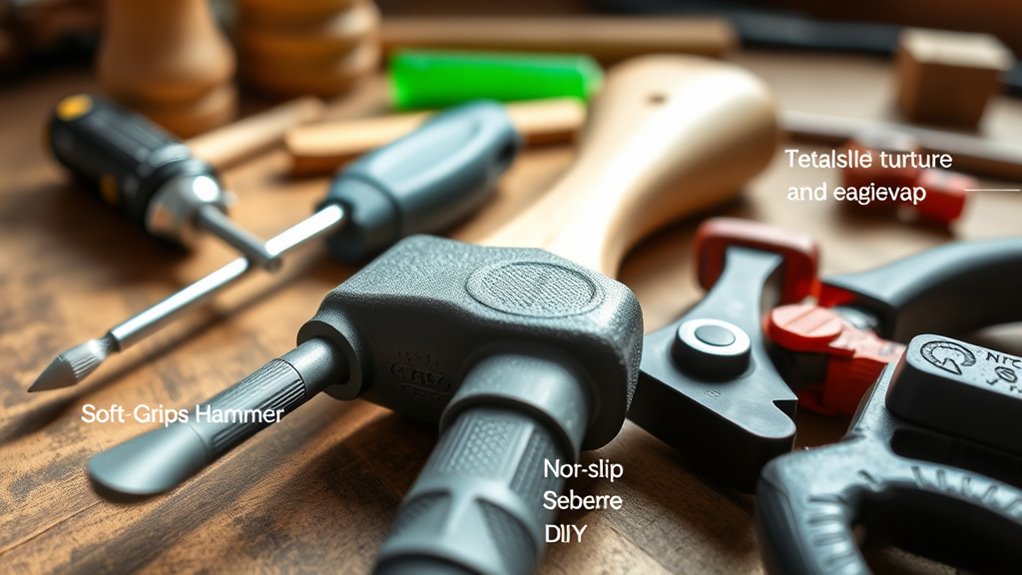

Grip-friendly tools with ergonomic features make your DIY projects safer and more comfortable. These innovations, like contoured handles, textured grips, and balanced weight, help reduce hand fatigue and improve control during long tasks. Safety features such as blade guards and lock mechanisms add extra protection. Using tools designed for comfort prevents strain and accidents, making your work easier and more enjoyable. Keep exploring to discover which ergonomic tools can help you work smarter and safer.
Key Takeaways
- Ergonomic handle designs with contoured shapes and textured grips reduce hand fatigue and improve control during extended DIY projects.
- Safety features like lockable blades, non-slip grips, and blade guards enhance user security and prevent accidents.
- Handle adjustments and extensions customize tool fit, promoting proper posture and reducing strain for varied hand sizes and tasks.
- Vibration-absorbing, cushioned handles improve comfort and decrease tremors, making prolonged use safer and more efficient.
- Incorporating safety and ergonomic innovations leads to less fatigue, higher precision, and a safer, more enjoyable DIY experience.
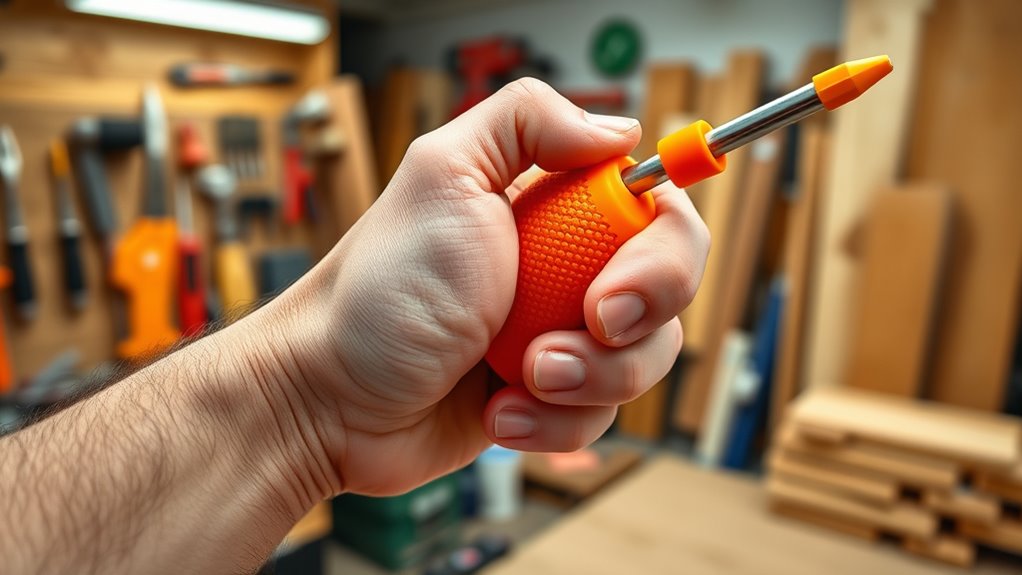
If you spend a lot of time working with tools, you know how hand fatigue and discomfort can slow you down. That’s why focusing on grip-friendly tools is essential for anyone who wants to work efficiently and safely. Good tool design plays a vital role here, especially when it comes to ergonomic features that reduce strain and improve control. Manufacturers now prioritize creating tools with contoured handles, textured grips, and balanced weight distribution, all aimed at minimizing fatigue during long sessions. These design improvements aren’t just about comfort—they also enhance safety by giving you a more secure hold, decreasing the risk of slips that could lead to accidents.
When selecting grip-friendly tools, pay attention to the safety features integrated into their design. Many modern tools come with built-in safety mechanisms, like lockable blades or non-slip grips, which protect you during use. For example, tools with rubberized or cushioned handles absorb vibrations and reduce hand tremors, making prolonged use less tiring and more precise. Safety features also include features like blade guards, trigger locks, or automatic shut-offs that prevent accidental activation, especially when you’re switching between tasks or handling multiple tools. These features work together with thoughtful tool design to create a safer working environment.
Ergonomic innovations are constantly evolving, and the best tools now integrate these improvements seamlessly. Handles are shaped to fit comfortably in your hand, reducing pressure points and allowing for a natural grip. Textured surfaces prevent slipping, even if your hands are sweaty or oily, giving you confidence that your tool won’t unexpectedly slip. Some tools feature adjustable grips or handle extensions, allowing you to customize the fit based on your hand size or the task at hand. This adaptability not only increases comfort but also helps maintain proper posture, reducing the risk of repetitive strain injuries over time. Additionally, incorporating HEPA filtration principles into tool design—such as dust collection or air filtration—can improve safety and air quality during use.
Investing in well-designed, grip-friendly tools with robust safety features makes a tangible difference in your workday. You’ll notice less fatigue, greater control, and a lower chance of accidents. These tools are built with your comfort and safety in mind, making your projects more enjoyable and less stressful. Remember, the best tool is one that fits your hand well and has safety features that protect you while you work. When you choose tools with excellent tool design and safety features, you’re not only improving your efficiency but also taking a proactive step toward safer, more comfortable DIY projects.
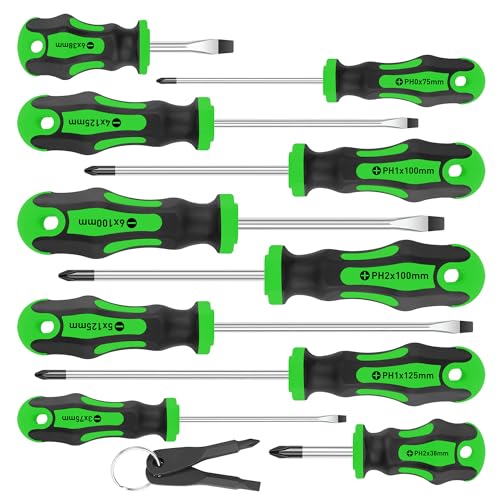
Amartisan 10-Piece Magnetic Screwdrivers Set, 5 Phillips and 5 Slotted Tips Professional Cushion Grip Screwdriver Set 2pcs Portable Multifunction Key Mini Screwdriver (Green)
- Set Includes: 10 professional magnetic screwdrivers
- Material: Chromium vanadium steel blades
- Magnetic Tips: Convenient screw attraction
As an affiliate, we earn on qualifying purchases.
As an affiliate, we earn on qualifying purchases.
Frequently Asked Questions
Are Grip-Friendly Tools Suitable for People With Arthritis?
Yes, grip-friendly tools are suitable for people with arthritis because they help reduce arthritis discomfort by requiring less hand strength. These tools are designed with ergonomic features that improve grip and lessen strain, making DIY projects more manageable. If you struggle with hand pain, using grip-friendly tools can make a significant difference, allowing you to work comfortably and safely without aggravating your arthritis symptoms.
How Do Grip-Friendly Tools Compare in Price to Standard Tools?
You might find that grip-friendly tools cost a bit more initially, but they’re worth every penny, especially for ease and comfort. The cost comparison varies, with affordability factors like material quality and brand influencing prices. While some are pricier, many offer good value, and their ergonomic benefits can save you money in the long run by reducing strain and injury. Ultimately, investing in these tools could be a smart choice for your projects.
Can Grip-Friendly Tools Be Used for Heavy-Duty Tasks?
Yes, grip-friendly tools can be used for heavy-duty applications, but it depends on their material strength and design. Many are made with durable materials that withstand demanding tasks, ensuring safety and efficiency. However, always check the manufacturer’s specifications to confirm they’re rated for heavy-duty use. While they’re tailored for comfort, choosing the right tool for the job guarantees ideal performance and longevity during tough projects.
Are Grip-Friendly Tools Compatible With Existing Toolsets?
Yes, grip-friendly tools are generally compatible with existing toolsets, but you should verify tool compatibility first. Many ergonomic tools are designed with universal fittings or easy-to-adapt accessories, making integration straightforward. Look for accessory options that fit your current tools, and ensure the ergonomic features don’t interfere with your toolbox. With the right compatibility checks, you can enhance comfort without sacrificing functionality in your existing set.
How Long Do Grip-Friendly Tool Handles Typically Last?
Grip-friendly tool handles usually last several years, thanks to high-quality materials that enhance handle durability and material longevity. If you take good care of your tools by cleaning and storing them properly, their handles can remain comfortable and functional for a long time. Keep in mind that usage frequency and conditions also influence lifespan, but overall, investing in durable materials guarantees your ergonomic handles stay effective over the years.

WORKPRO Premium Utility Knife, Retractable All Metal Heavy Duty Box Cutter, Quick Change Blade Razor Knife, with 10 Extra Blades
- Durable Aluminum Alloy Body: Lightweight, rust-resistant, drop-tested design
- High-Quality SK5 Blades: Heat-treated for up to 64 HRC hardness
- Retractable & Adjustable Blade: Three-position, quick-lock safety feature
As an affiliate, we earn on qualifying purchases.
As an affiliate, we earn on qualifying purchases.
Conclusion
By choosing grip-friendly tools, you’re not just making your projects easier—you’re protecting your hands and preventing fatigue. Some might think these innovations are unnecessary or costly, but investing in ergonomic tools pays off in comfort and efficiency. Don’t overlook the long-term benefits; your hands will thank you after hours of work. Embracing these tools shows you value your craft and well-being, making every DIY project safer and more enjoyable.

Klein Tools 89 Replacement Handles, Made in USA, Plastic Handle Replacement Set for 8 to 9-Inch Pliers
- Slip-resistant plastic handles: Provides secure grip and comfort
- Fits 8-9 inch pliers: Compatible with existing plier handles
- Easy installation process: Heat in water, then attach
As an affiliate, we earn on qualifying purchases.
As an affiliate, we earn on qualifying purchases.
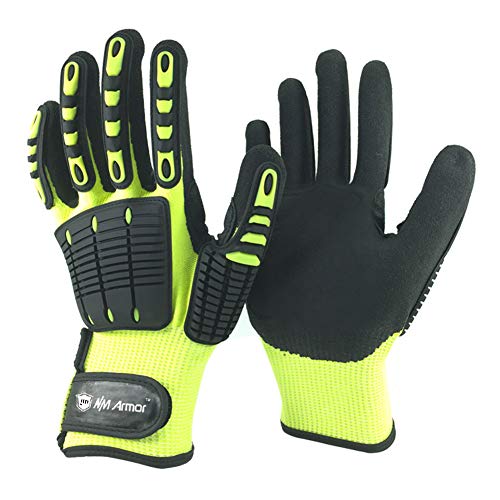
NMSafety Anti Vibration Oil-proof Cut Resistant Safety Work Glove,Full finger,Yellow Nylon+HPPE+Glassfirbe Seamless Knitted Liner With Sandy Nitrile Rubber Palm,Excellent Grip. (Large)
- Vibration Reduction Technology: Reduces impact, shocks, and vibrations
- Cut Resistant Protection: HPPE liner resists cuts from sharp objects
- Impact & Vibration System: TPR buffer and shock-absorbing pad reduce damage
As an affiliate, we earn on qualifying purchases.
As an affiliate, we earn on qualifying purchases.