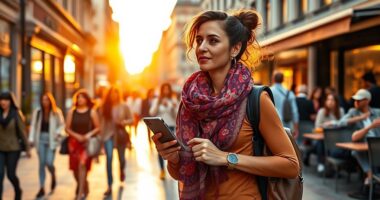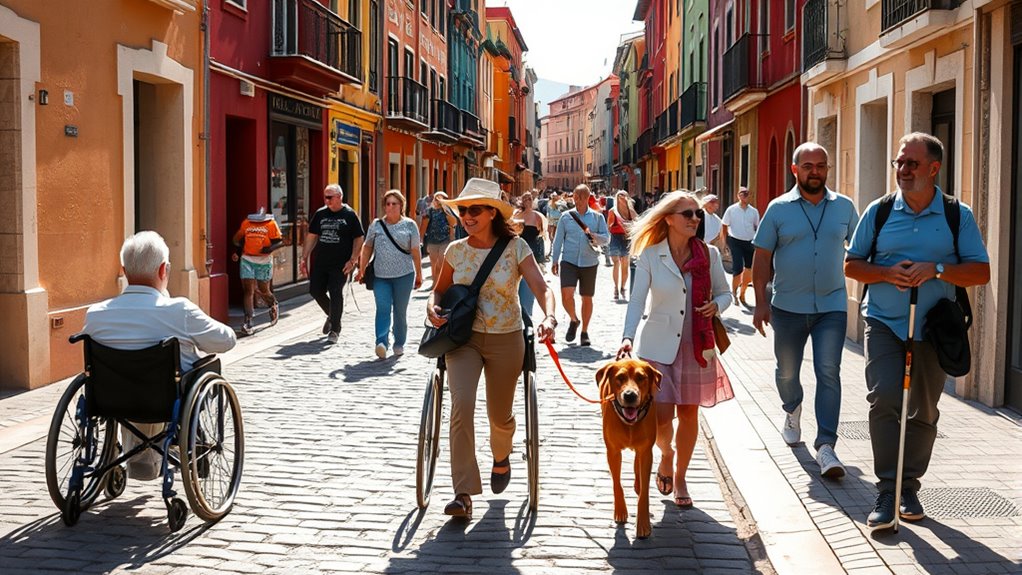

Accessible tourism makes travel inclusive for everyone by removing physical and sensory barriers. With features like barrier-free design, real-time navigation apps, and assistive devices, you can explore new places independently and confidently. Technology such as tactile paving, accessible restrooms, and voice-activated tools further enhance your journey. If you’re interested, discover how these innovations are transforming travel experiences and creating a truly welcoming environment for all travelers.

Turn quiet afternoons into listening time
- Thousands of audiobooks, podcasts and originals
- Listen on your phone, tablet or Echo — also offline
- Cancel anytime
Key Takeaways
- Implementing barrier-free design features like ramps, tactile paving, and accessible restrooms ensures physical accessibility for all travelers.
- Utilizing assistive technologies such as navigation apps, voice-activated devices, and visual aids enhances independence and confidence.
- Creating inclusive environments fosters a welcoming atmosphere, encouraging diverse travelers to explore with ease.
- Incorporating emerging digital solutions, including secure transaction systems, supports accessible booking and payment processes.
- Promoting awareness and training among tourism providers ensures consistent delivery of inclusive, barrier-free experiences.

Have you ever wondered why travel shouldn’t be limited by physical abilities? The good news is that it isn’t. Today’s advancements in assistive technology and barrier-free design make it possible for everyone to explore the world comfortably and confidently. These innovations are transforming the travel experience, guaranteeing that no one is left behind because of mobility challenges, sensory impairments, or other disabilities. By understanding and embracing these tools, you can enjoy a more inclusive journey and help foster a more accessible tourism industry.
Assistive technology plays a pivotal role in breaking down barriers that once kept many travelers from fully participating in leisure activities. From wheelchair-accessible apps that provide real-time navigation to voice-activated devices that assist with communication, these tools empower individuals to move freely and independently. For instance, portable ramps and compact mobility aids allow you to navigate uneven surfaces or crowded spaces with ease. Hearing aids that connect via Bluetooth enable seamless communication in noisy environments, while visual aids like magnifiers and screen readers help those with visual impairments access information effortlessly. These technologies are not just about convenience—they’re about dignity and autonomy. When you use assistive technology, you take control of your travel experience, making it more personalized and less dependent on external help.
Barrier-free design is equally vital in creating accessible environments. It refers to the thoughtful planning of spaces to remove physical obstacles, allowing everyone to move comfortably. Think of wide, unobstructed pathways, tactile paving for navigation, and accessible restrooms that accommodate various needs. Hotels, airports, and attractions that incorporate barrier-free design features make your journey smoother and more enjoyable. For example, elevators with audio and visual cues, ramps with gentle slopes, and clear signage with large print and braille ensure you can navigate without frustration. When destinations adopt barrier-free design principles, they send a message that they welcome all visitors, regardless of ability. This not only enhances your experience but also encourages more inclusive tourism practices, benefiting everyone.
Additionally, the integration of Bitcoin Runes and other emerging technologies in the tourism sector can further enhance accessibility by providing secure, transparent transactions for travelers worldwide.
accessible travel assistive devices
As an affiliate, we earn on qualifying purchases.
As an affiliate, we earn on qualifying purchases.
Frequently Asked Questions
How Can Small Businesses Improve Accessibility for Travelers?
You can improve accessibility by implementing universal design principles that cater to diverse needs, making your space welcoming for everyone. Invest in staff training to guarantee your team understands how to assist travelers with different abilities confidently and respectfully. Additionally, consider simple modifications like ramps, clear signage, and accessible facilities. These steps not only enhance the experience for all guests but also demonstrate your commitment to inclusive tourism.
What Are the Latest Technological Innovations in Accessible Tourism?
You can leverage the latest technological innovations like assistive technology and smart accessibility to enhance travel for everyone. Smart accessibility tools, such as AI-powered apps, real-time translation, and adaptive devices, help travelers with disabilities navigate more easily. These innovations create seamless experiences, allowing users to access information, book services, and enjoy destinations confidently. Embracing these advancements guarantees your business remains inclusive, attracting a broader range of travelers seeking accessible and innovative travel solutions.
How Do Cultural Differences Impact Accessibility Standards?
Cultural perceptions greatly influence accessibility standards, as what’s considered accessible varies across regions. You’ll find that accessibility norms are shaped by local attitudes, traditions, and understanding of disabilities. In some cultures, inclusivity is prioritized, leading to more thorough standards, while others may have different perceptions that affect implementation. When traveling, you should be aware of these differences to guarantee respectful, inclusive experiences and advocate for better accessibility where needed.
What Funding Options Are Available for Accessibility Upgrades?
You can explore funding grants and investment opportunities to finance accessibility upgrades. Many governments, non-profits, and private organizations offer grants specifically aimed at improving accessibility in tourism facilities. Additionally, look into investment opportunities that focus on sustainable and inclusive tourism projects. Applying for these options can help cover the costs of installing ramps, accessible restrooms, and other necessary modifications, making your tourism site more inclusive for all travelers.
How Can Travelers Provide Feedback to Improve Accessibility Services?
Did you know that 85% of travelers rely on online review platforms to choose accessible destinations? You can provide valuable feedback by leaving reviews on these platforms or using personalized feedback methods, like surveys or direct communication with service providers. Your insights help identify areas for improvement, ensuring accessibility services evolve to meet everyone’s needs. Don’t hesitate to share your experiences—your input makes travel more inclusive for all travelers.
As an affiliate, we earn on qualifying purchases.
Conclusion
By embracing accessible tourism, you hold the power to transform travel into an experience so inclusive that it rivals the most breathtaking journeys in history. Every effort you make tears down barriers, turning dreams of exploration into reality for everyone, regardless of ability. Remember, your actions can create a ripple effect, inspiring a world where no one is left behind. Together, we can craft a future where travel is truly universal—more vibrant, more connected, and infinitely more extraordinary.
real-time navigation apps for visually impaired
As an affiliate, we earn on qualifying purchases.
As an affiliate, we earn on qualifying purchases.
accessible restrooms for travelers
As an affiliate, we earn on qualifying purchases.
As an affiliate, we earn on qualifying purchases.
Fall Picks
fall essentials
As an affiliate, we earn on qualifying purchases.