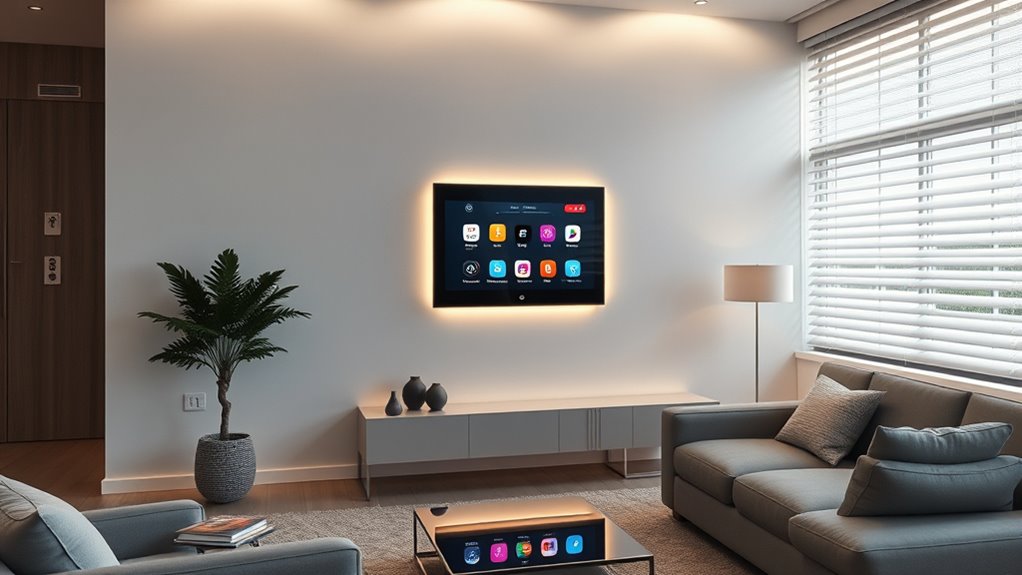

Smart home hubs serve as the central command for connected devices, making home automation more seamless. The Aeotec Smart Home Hub2 stands out for its compatibility with Zigbee, Matter, and major voice assistants, offering a versatile solution. Meanwhile, the Hubitat Elevation C-8 Pro excels in local control and privacy, ideal for tech-savvy users. The main tradeoffs involve balancing ease of setup, device compatibility, and control options. Keep reading for a detailed breakdown of the best options in 2026 and which might suit your needs best.

Turn quiet afternoons into listening time
- Thousands of audiobooks, podcasts and originals
- Listen on your phone, tablet or Echo — also offline
- Cancel anytime
Complete the kit


Key Takeaways
- The top picks cover a broad range of control options, from local to cloud-based solutions.
- Device compatibility, especially with Zigbee, Z-Wave, and Matter, remains a key differentiator.
- Ease of use varies significantly; some hubs prioritize advanced automation over user-friendly interfaces.
- Premium models often include additional features like integrated displays or IR control, but at a higher cost.
- Choosing the right hub depends heavily on your existing devices and future expansion plans.
| Aeotec Smart Home Hub2 – V4, SmartThings Hub, Zigbee, Matter Gateway, Compatible with Alexa and Google Assistant |  | Best Overall for Versatile Compatibility and Local Control | Supported Standards: Zigbee, Matter | Connectivity: Wi-Fi, Ethernet | Compatibility: Alexa, Google Assistant | VIEW ON AMAZON | See Our Full Breakdown |
| Hubitat Elevation C-8 Pro Smart Home Hub – Z-Wave, Zigbee, Matter |  | Best for Larger Homes and Local Processing | Dimensions: 3.23 x 2.95 x 0.67 inches | Weight: 0.16 lbs | Protocols Supported: Matter 1.5, Z-Wave 800 Series, Zigbee 3.0, Bluetooth | VIEW ON AMAZON | See Our Full Breakdown |
| Home Assistant Green – Smart Home Hub with Advanced Automation |  | Best for Customization and Data Privacy | Processor: Quad-core | Storage: 32GB | RAM: 4GB | VIEW ON AMAZON | See Our Full Breakdown |
| eufy Security eufy Smart Display E10, 8″ Control Panel |  | Best for Security-Focused Visual Monitoring | Display Size: 8 inches | Control Panel: Touchscreen | Storage: Local video storage | VIEW ON AMAZON | See Our Full Breakdown |
| Amazon Echo Hub (newest model), 8″ Smart Home Control Panel with Alexa+ |  | Best for Versatile Control and Integration | Display Size: 8 inches | Compatibility: WiFi, Bluetooth, Zigbee, Matter, Sidewalk, Thread | Control: Smart devices, cameras, routines, media | VIEW ON AMAZON | See Our Full Breakdown |
| Aqara Smart Home Hub M3 with Matter Support, Zigbee, Thread, IR Blaster, and PoE |  | Best Versatile Protocol Support and Local Control | Protocols Supported: Zigbee, Thread, Matter, Bluetooth, Wi-Fi | Device Capacity: 127 Zigbee devices, 127 Thread devices | Connectivity: Wired (PoE, USB-C), Wireless (2.4/5 GHz Wi-Fi) | VIEW ON AMAZON | See Our Full Breakdown |
| smart home hub | Connectivity | Compatibility | Storage |
|---|---|---|---|
| Aeotec Smart Home Hub2 | Wi-Fi, Ethernet | Alexa, Google Assistant | — |
| Hubitat Elevation C-8 Pro Smar | — | — | — |
| Home Assistant Green | USB expandability | — | 32GB |
| eufy Security eufy Smart Displ | — | — | Local video storage |
| Amazon Echo Hub | — | WiFi, Bluetooth, Zigbee, Matter, Sidewalk, Thread | — |
| Aqara Smart Home Hub M3 with M | Wired (PoE, USB-C), Wireless (2.4/5 GHz Wi-Fi) | Apple HomeKit, Alexa, SmartThings, Home Assistant | 8GB encrypted local storage |
More Details on Our Top Picks
Aeotec Smart Home Hub2 – V4, SmartThings Hub, Zigbee, Matter Gateway, Compatible with Alexa and Google Assistant
This pick stands out for supporting both Zigbee and the latest Matter standards, making it highly versatile for integrating diverse smart devices. Compared with the Hubitat Elevation C-8 Pro, it offers easier setup via Wi-Fi and Ethernet, but it lacks Z-Wave support, which might be a dealbreaker for users heavily invested in Z-Wave devices. Its local processing ensures automations work during internet outages, a significant advantage over cloud-dependent hubs. However, it requires a compatible ecosystem to unlock full functionality, potentially limiting its appeal for users wanting a more open platform.
Pros:- Supports the latest Matter and Zigbee standards for broad device compatibility
- Easy setup with Wi-Fi or Ethernet connection
- Local processing for reliable automations during internet outages
Cons:- Does not support Z-Wave devices, limiting integration options
- Requires a compatible ecosystem for full functionality
Best for: Homeowners who prioritize broad device compatibility and reliable automation without dependence on cloud services
Not ideal for: Users with extensive Z-Wave networks or those seeking native Z-Wave support, as this hub does not support Z-Wave devices
- Supported Standards:Zigbee, Matter
- Connectivity:Wi-Fi, Ethernet
- Compatibility:Alexa, Google Assistant
- Supports Z-Wave:No
Our verdict“This hub is ideal for users seeking a flexible, reliable platform that emphasizes local control and device versatility.”
Hubitat Elevation C-8 Pro Smart Home Hub – Z-Wave, Zigbee, Matter
The Hubitat Elevation C-8 Pro excels in supporting multiple protocols, including Z-Wave (with Long Range), Zigbee, and Matter, making it a strong choice for larger homes needing extended coverage. Unlike the Aeotec Hub, it offers native Z-Wave support, which is essential for many existing device ecosystems. Its local processing ensures instant responses, making automations more reliable, but setup can be more complex, especially for less tech-savvy users. Its external antennas extend range, but that may require more space for optimal placement.
Pros:- Supports multiple protocols with extended range for large homes
- Local processing guarantees quick automations and privacy
- Compatible with major voice assistants and ecosystems
- No subscription fees and receives continuous updates
Cons:- Setup may be complex for non-technical users
- May require additional hubs for certain device types
Best for: Tech-savvy homeowners with extensive Z-Wave and Zigbee devices who want instant automations
Not ideal for: Less experienced users or those with simpler setups, as the initial configuration could be challenging
- Dimensions:3.23 x 2.95 x 0.67 inches
- Weight:0.16 lbs
- Protocols Supported:Matter 1.5, Z-Wave 800 Series, Zigbee 3.0, Bluetooth
- External Antennas:2
Our verdict“This hub is suited for advanced users desiring robust, multi-protocol support with local automation response.”
Home Assistant Green – Smart Home Hub with Advanced Automation
Home Assistant Green offers a dedicated, fanless design with a powerful quad-core processor, making it ideal for DIY enthusiasts and those seeking advanced automation. Unlike the hubs above, it requires Ethernet for initial setup, which could be a hurdle for some. Its support for Z-Wave, Zigbee, and Thread USB devices provides extensive expandability, and its local data storage keeps your information secure. However, its limited storage capacity and requirement for setup familiarity may not appeal to users seeking plug-and-play solutions.
Pros:- Pre-installed Home Assistant for straightforward setup
- Supports multiple protocols for expandability
- Fanless, silent operation
- Keeps all data local and secure
Cons:- Requires Ethernet connection for initial setup
- Limited storage for large or complex integrations
Best for: Tech-savvy users who want a flexible, privacy-focused hub that they can customize with advanced automations
Not ideal for: Beginners or users without steady Ethernet access who prefer a simple, out-of-the-box setup
- Processor:Quad-core
- Storage:32GB
- RAM:4GB
- Power Consumption:A few watts
- Connectivity:USB expandability
Our verdict“This hub is best for experienced users prioritizing control, privacy, and custom automations over simplicity.”
eufy Security eufy Smart Display E10, 8″ Control Panel
The eufy Smart Display E10 is tailored for security-centric households, offering live video feeds, facial and package recognition, and local storage. Its 8-inch touchscreen makes it easy to monitor multiple feeds simultaneously, providing quick summaries and alerts for all users. Compared with the Amazon Echo Hub, it focuses more on security features, but it may lack the broader smart device compatibility and customization options. Its outdoor or weather-resistant capabilities are not specified, so it’s better suited for indoor use only.
Pros:- Instant live video feeds and alerts
- Four-view display for comprehensive monitoring
- Local storage enables immediate playback
- Intuitive touchscreen interface
Cons:- Limited details on device compatibility beyond security features
- Indoor use only, no outdoor weather resistance
Best for: Homeowners prioritizing security and visual monitoring with an easy-to-use interface
Not ideal for: Those seeking a versatile smart home hub with broad device compatibility or outdoor use
- Display Size:8 inches
- Control Panel:Touchscreen
- Storage:Local video storage
- Recognition Features:Facial and package recognition
Our verdict“This display is ideal for security-focused households seeking a dedicated, easy-to-use visual monitoring hub.”
Amazon Echo Hub (newest model), 8″ Smart Home Control Panel with Alexa+
The Amazon Echo Hub combines an 8-inch display with Alexa+ for broad smart device management, making it a compelling choice for users wanting an all-in-one control panel. Its compatibility with thousands of devices via WiFi, Zigbee, and Matter, along with features like routines and media control, surpasses many dedicated hubs in versatility. Nonetheless, some users may find the need for separate accessories like wall mounts adds complexity, and the requirement for a Ring subscription for full security features can increase ongoing costs. Its setup might also be daunting for newcomers.
Pros:- Customizable dashboard for personalized control
- Supports a wide range of smart home devices
- Privacy features like mic off button
- Made from sustainable, recycled materials
Cons:- Requires separate purchase for wall mounts and accessories
- Full security features need a Ring subscription
- Setup can be complex for some users
Best for: Users seeking a highly customizable, voice-integrated control panel with extensive device compatibility
Not ideal for: People preferring a simple, plug-and-play hub or those avoiding ongoing subscriptions
- Display Size:8 inches
- Compatibility:WiFi, Bluetooth, Zigbee, Matter, Sidewalk, Thread
- Control:Smart devices, cameras, routines, media
- Privacy Features:Mic off button
- Materials:27% recycled materials
Our verdict“This control panel is suited for users wanting extensive device support, voice control, and a sleek, customizable interface.”
Aqara Smart Home Hub M3 with Matter Support, Zigbee, Thread, IR Blaster, and PoE
The Aqara Smart Home Hub M3 stands out for its broad protocol compatibility, supporting Zigbee, Thread, and Matter—making it more adaptable than the Hubitat Elevation C-8 Pro, which is limited to Z-Wave and Zigbee. This means it can unify a wider range of smart devices, although its reliance on multiple protocols can introduce complexity in setup. The inclusion of local encrypted storage and support for edge automations offers a privacy advantage over the Amazon Echo Hub, which primarily depends on cloud services. However, this hub requires placement between 6 to 19 feet from your router for optimal performance, which could be inconvenient in some setups, and the power adapter isn’t included, adding to initial costs. Compared with the Aeotec Smart Home Hub2—which lacks Thread support—this model is better suited for users seeking future-proofing through Matter. Still, some features may vary depending on ecosystem support, and the setup process involves multiple steps due to its protocol diversity.
Pros:- Supports multiple protocols including Zigbee, Thread, and Matter for broad compatibility
- Local encrypted storage and automation enhance privacy and reliability
- Flexible placement options with PoE support and mounting hardware
- Built-in IR blaster for controlling traditional remote devices
Cons:- Requires placement between 6 to 19 feet from the router for optimal connectivity
- Power adapter not included, increasing initial setup costs
- Some functionalities depend on ecosystem compatibility and app support
Best for: Homeowners with diverse smart devices across Zigbee, Thread, and Matter ecosystems who prioritize local control and privacy.
Not ideal for: Casual users or those with simple setups who don’t need extensive protocol support, as this device’s complexity may be overkill.
- Protocols Supported:Zigbee, Thread, Matter, Bluetooth, Wi-Fi
- Device Capacity:127 Zigbee devices, 127 Thread devices
- Connectivity:Wired (PoE, USB-C), Wireless (2.4/5 GHz Wi-Fi)
- Storage:8GB encrypted local storage
- Compatibility:Apple HomeKit, Alexa, SmartThings, Home Assistant
- Additional Features:IR blaster, local automations, edge compatibility
Our verdict“This hub is ideal for tech-savvy users seeking a highly flexible, privacy-focused solution that can unify multiple protocols, despite some setup complexity.”
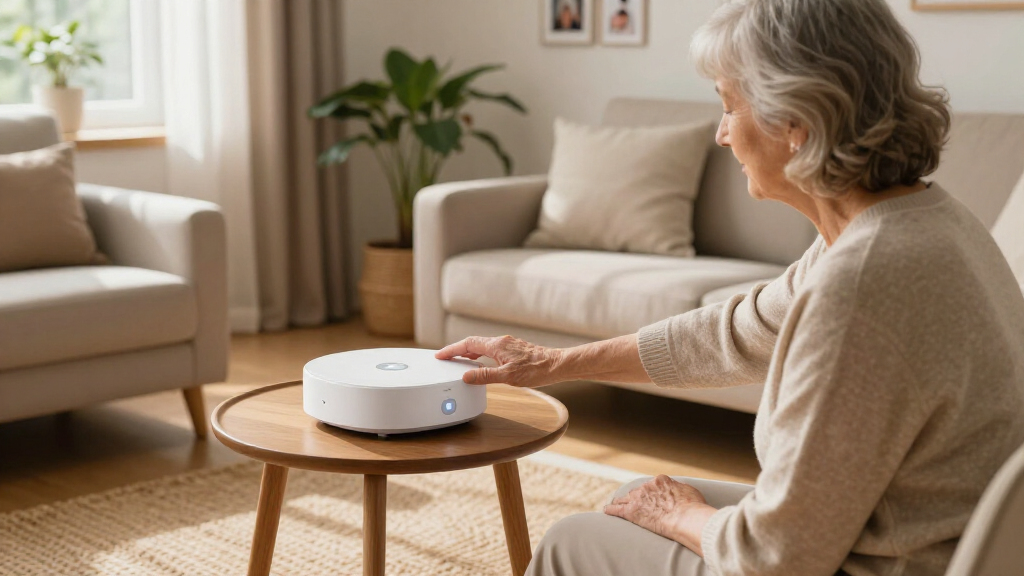
How We Picked
We evaluated these smart home hubs based on compatibility with popular smart devices, ease of setup, user interface quality, automation capabilities, and overall build quality. Performance reliability and security features were also critical factors, especially for users concerned about data privacy. Devices were ranked to balance versatility and user-friendliness, ensuring options for both beginners and experienced smart home enthusiasts. Our selection aims to provide a well-rounded lineup that addresses different priorities, from affordability to advanced automation.| smart home hub | Connectivity | Compatibility |
|---|---|---|
| Aeotec Smart Home Hub2 | Wi-Fi, Ethernet | Alexa, Google Assistant |
| Hubitat Elevation C-8 Pro Smar | — | — |
| Home Assistant Green | USB expandability | — |
| eufy Security eufy Smart Displ | — | — |
| Amazon Echo Hub | — | WiFi, Bluetooth, Zigbee, Matter, Sidewalk, Thread |
| Aqara Smart Home Hub M3 with M | Wired (PoE, USB-C), Wireless (2.4/5 GHz Wi-Fi) | Apple HomeKit, Alexa, SmartThings, Home Assistant |
Factors to Consider When Choosing Smart Home Hubs
Selecting the right smart home hub involves weighing several key factors. Compatibility with your existing devices, future expansion potential, and ease of use are essential considerations. Understanding these factors can help you avoid common pitfalls, such as choosing a hub with limited device support or overly complex setup processes. Additionally, considering automation capabilities and security features can significantly impact your overall satisfaction and the longevity of your investment.Device Compatibility
Ensure the hub supports the protocols your devices use, such as Zigbee, Z-Wave, or Matter. A hub with broad compatibility reduces the need for multiple controllers and simplifies your smart home ecosystem. Be aware that some hubs focus on specific ecosystems, which might limit future device choices. A versatile hub can adapt as your smart home expands, avoiding costly upgrades or replacements down the line.
Ease of Setup and Use
Intuitive interfaces and straightforward setup processes save time and frustration. Some hubs offer app-based controls with guided tutorials, while others require more technical knowledge. Consider whether the hub supports voice control through assistants like Alexa or Google Assistant, which can streamline daily interactions. Remember, a complicated setup might deter ongoing use or limit the full potential of your smart home system.
Automation and Control Features
Look for hubs that provide advanced automation options, including routines, triggers, and conditional logic. Some models excel at local automation, ensuring faster response times and better privacy, while others rely heavily on cloud services. Your choice should match your automation ambitions—basic routines or complex, multi-device scenes. Also, check if the hub supports integrations beyond smart devices, such as IR control or security cameras.
Security and Privacy
Security features, like local control and encryption, are vital for protecting your smart home data. Some hubs process automation locally, reducing dependence on cloud servers and minimizing data exposure. Evaluate whether the hub receives regular firmware updates to patch vulnerabilities. For privacy-conscious users, hubs prioritizing local processing and minimal data sharing are preferable, even if they might lack some cloud-dependent conveniences.
Cost and Expandability
Price varies widely, so consider your budget and whether the hub offers good value for the features provided. Higher-end models often include additional functionalities like integrated displays or IR blasters, which can justify their cost if they meet your needs. Also, think about future expandability—can you add more devices easily, and does the hub support new protocols like Matter? Investing in a flexible, scalable hub can save money and hassle over time.
Frequently Asked Questions
Can I use multiple smart home hubs together?
Using multiple hubs is possible but often unnecessary unless you have a highly complex setup. Some users deploy different hubs to support specific protocols or areas of their home, but this can introduce complexity and device management challenges. Many modern hubs now support multi-protocol compatibility, reducing the need for multiple controllers. Consider your expansion plans carefully, as consolidating on a single versatile hub can simplify your system and improve reliability.
Is a cloud-based or local control hub better for security?
Local control hubs generally provide better security because they process automation and device commands within your home network, reducing exposure to internet-based threats. Cloud-based hubs offer convenience and easier updates but depend on external servers, which can be vulnerable. For privacy-conscious users, a hub with local automation capabilities is advisable, even if it means sacrificing some remote control features.
Will my existing smart devices work with a new hub?
Device compatibility depends on the protocols supported by the hub. Confirm that your current devices use Zigbee, Z-Wave, or Matter, and check if the hub supports these protocols. Some hubs focus on specific ecosystems or brands, which might limit compatibility. Planning your device ecosystem before choosing a hub can prevent costly replacements and ensure seamless integration.
How important is future-proofing when buying a smart home hub?
Future-proofing is vital because smart home technology evolves rapidly. Choosing a hub that supports emerging standards like Matter can extend its lifespan and compatibility with new devices. An expandable system allows you to add new protocols or features without replacing the entire hub. Investing in a versatile, upgradeable hub saves money and effort in the long run, especially as your smart home grows.
Do I need a dedicated smart home hub if I already have a smart speaker?
Having a smart speaker like an Amazon Echo or Google Nest can handle basic control and automation, but a dedicated hub offers more comprehensive device management and automation options. Hubs typically support a wider range of protocols and devices, providing greater reliability and customization. Depending on your needs—simple control versus complex automation—a hub can significantly enhance your smart home experience.
Conclusion
If you’re new to smart home automation, the Amazon Echo Hub offers an easy entry point with integrated Alexa control. For those prioritizing privacy and local control, the Hubitat Elevation C-8 Pro stands out. Tech enthusiasts seeking maximum compatibility and advanced automation should consider the Home Assistant Green. Budget-conscious buyers will appreciate the Aqara M3 for its affordability and broad protocol support. Finally, for a premium experience with added features like integrated displays, the eufy Security E10 or latest Echo Hub provide compelling options tailored to specific needs.
Fall Picks
fall essentials
As an affiliate, we earn on qualifying purchases.