

By approaching cleaning as a mindful self-care practice, you turn routine chores into soothing rituals that reduce stress and promote mental clarity. Focus on the present moment, noticing sensations and movements as you tidy, which helps clear racing thoughts. Creating an organized space offers emotional comfort and balance. These simple mindful activities can lift your mood and foster a sense of calm. Keep exploring ways to make cleaning a nurturing act that supports your well-being.
Key Takeaways
- Mindful cleaning turns routine chores into meditative practices that promote mental clarity and emotional balance.
- Organizing and decluttering your environment reduces stress and enhances concentration.
- Repetitive cleaning motions serve as soothing, self-care rituals that boost mood and emotional resilience.
- Creating a tidy space offers a sanctuary for relaxation and emotional refuge during stressful times.
- Approaching cleaning intentionally nurtures overall well-being by clearing mental and physical clutter.

Cleaning isn’t just about tidying up your space; it can also be a powerful form of self-care. When you focus on the act of cleaning, you’re giving yourself a chance to pause, reflect, and reconnect with your surroundings. This mindful approach transforms routine chores into opportunities to enhance mental clarity and emotional balance. As you pick up clutter, sweep floors, or wipe down surfaces, pay attention to the present moment. Notice how your movements feel and the sensations of the task—this anchoring in the now helps clear your mind of racing thoughts and worries. Incorporating water chemistry into your cleaning routine can also promote a sense of control and mastery over your environment.
By turning cleaning into a mindful activity, you create a space that supports your mental well-being. A cluttered environment often mirrors a cluttered mind, making it harder to concentrate or find peace. When you organize and tidy, you’re actively removing distractions that cloud your mental clarity. You’ll notice that, as your environment becomes more orderly, your thoughts begin to settle. This process reduces stress and promotes a sense of accomplishment, helping you feel more centered and in control. It’s not just about aesthetics; it’s about fostering a calm, focused mind.
A tidy space fosters a calm mind and enhances mental clarity.
Cleaning also nurtures emotional balance. When you dedicate time to caring for your space, you’re practicing self-compassion. It signals to yourself that your well-being matters and that you’re worthy of a nurturing environment. The repetitive motions involved—sweeping, dusting, folding—can be soothing and meditative, calming your nervous system. This rhythmic activity encourages mindfulness, which can lift your mood and diminish feelings of anxiety or overwhelm. As you see the tangible results of your efforts, you’ll likely experience a boost in confidence and a sense of pride, reinforcing positive feelings about yourself.
Moreover, cleaning can serve as a healthy outlet for emotional release. If you’re feeling overwhelmed, channel that energy into tidying up. Use the act as a form of emotional catharsis, allowing your mind to process feelings as you work. Over time, creating a clean, organized space can serve as a sanctuary—a refuge where you can retreat and find solace. This sense of refuge supports emotional resilience, helping you maintain equilibrium during stressful times.
In essence, cleaning is more than just maintaining a neat environment; it’s a mindful practice that nurtures your mental and emotional health. When you approach it intentionally, it becomes a ritual of self-care—an act that clears not only your physical space but also your mind and heart. So next time you pick up a cloth or sweep a corner, remember that you’re doing something beneficial for your overall well-being. Your space and your mind will thank you.
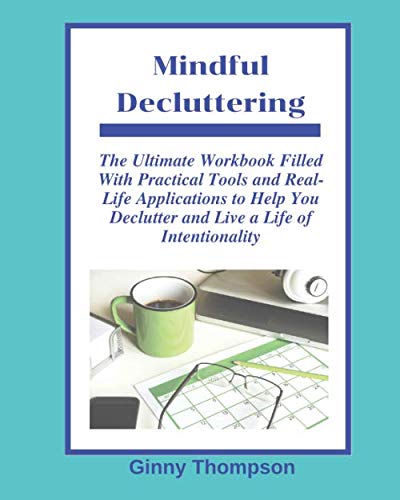
Mindful Decluttering: The Ultimate Workbook Filled with Practical Tools and Real-Life Applications to Help you Declutter and Live a Life of Intentionality
As an affiliate, we earn on qualifying purchases.
As an affiliate, we earn on qualifying purchases.
Frequently Asked Questions
How Can Cleaning Improve Mental Health Long-Term?
Cleaning routines can boost your mental health long-term by promoting mental clarity and reducing stress. When you establish regular habits, you create a sense of control and accomplishment, which enhances your well-being over time. As you tidy, you clear your environment and mind, making space for positive thoughts. Consistent cleaning becomes a mindful practice, helping you manage anxiety and fostering a calmer, more focused mindset in the long run.
What Are Simple Steps to Start Mindful Cleaning?
Think of mindful cleaning as planting seeds of calm—start small to grow confidence. Begin by organizing spaces, focusing on one area at a time. Create mindful routines, like setting a timer or playing calming music, to stay present. Use each cleaning session as a moment to breathe and connect. These simple steps help you build a mindful habit that clears your mind and nurtures your well-being.
Can Cleaning Habits Reduce Everyday Stress Effectively?
Yes, cleaning habits can effectively reduce everyday stress. When you focus on organizing clutter and establish consistent cleaning routines, you create a calmer environment that promotes mental clarity. By being mindful during these tasks, you turn cleaning into a relaxing ritual rather than a chore. This deliberate approach helps you feel more in control and reduces anxiety, making your daily life feel more manageable and peaceful.
How Does Cleaning Influence Emotional Well-Being?
Cleaning boosts your emotional well-being by reducing clutter, which helps clear your mind and lessen anxiety. As you tidy, you experience sensory stimulation through the textures, smells, and sights, grounding you in the present moment. This mindful activity can lift your mood, foster a sense of accomplishment, and create a peaceful environment. Regular cleaning becomes a simple yet powerful way to nurture your mental health and emotional resilience.
Are There Specific Cleaning Routines for Anxiety Relief?
Yes, you can create cleaning routines for anxiety relief by using organizational techniques like decluttering and establishing specific zones. Incorporate aromatherapy by diffusing calming scents such as lavender or chamomile during your cleaning sessions. Focus on mindful movement, paying attention to each action, and breathe deeply. These strategies help you stay present, reduce stress, and foster a soothing environment, making cleaning a powerful self-care practice for anxiety management.

150 Pcs Labels for Storage Bins, 6 X 4 Inch Removable Labels for Storage Bins, Tear Resistant No Residue Storage Bin Label, Matte White Blank Box Label for School, Home, Business
- Durable Synthetic Paper Material: Water, oil, tear resistant with no residue
- Large 6×4 Inch Size: Includes 150 labels on 75 sheets
- Removable Matte White Surface: Writable with ballpoint or permanent marker
As an affiliate, we earn on qualifying purchases.
As an affiliate, we earn on qualifying purchases.
Conclusion
So, next time your life feels like a chaotic mess, don’t just toss your worries aside—grab a duster instead. Cleaning becomes your secret weapon, transforming stress into sparkling surfaces and fleeting serenity. Who knew that banishing clutter could be the ultimate act of self-care? After all, nothing says ‘I’ve got this’ quite like polishing away your problems, one dust bunny at a time. Now, go ahead—tidy up your stress and call it self-love.
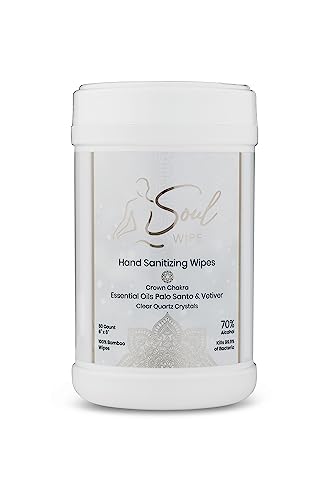
Hand Sanitizing Wipe Palo Santo and Vetiver Essential Oils Crown Chakra Meditation tool
- Material: 100% bamboo with crystals
- Purpose: Sanitize and energize hands
- Chakra Focus: Enhances Crown Chakra energy
As an affiliate, we earn on qualifying purchases.
As an affiliate, we earn on qualifying purchases.

Fayelume Ear Scratcher Feathers Kit, Ear Scoop, 7PCS Cleaner with Bamboo Mat, Ear Pick Cleaning, Ear Tool Massage Relaxing Wax Removal Feathers
- Easy Ear Cleaning: Removes earwax, dust, and impurities
- Relaxing Experience: Gently stimulates and relieves ear pressure
- Complete Ear Care Set: Includes ear spoons, feathers, and bamboo mat
As an affiliate, we earn on qualifying purchases.
As an affiliate, we earn on qualifying purchases.