
TL;DR
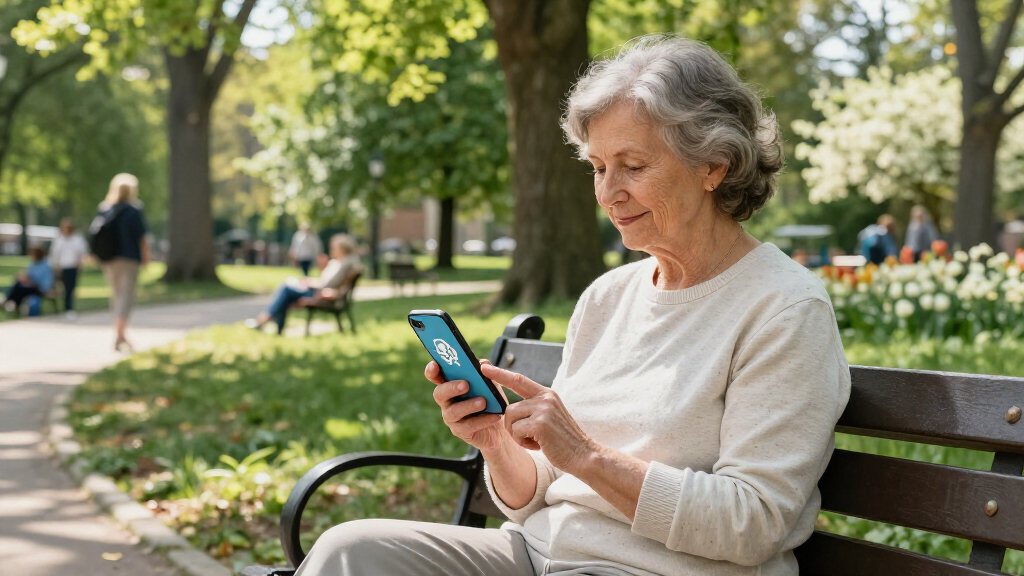
Interest in park-related mental health has surged globally, with media mentions increasing nine times above baseline. The development indicates growing public and media focus, though the cause remains unconfirmed.
Media coverage and online search interest related to park mental health have surged dramatically, with mentions increasing ninefold in recent weeks, according to GDELT data. This rise indicates a significant shift in global attention towards the mental health benefits of parks and outdoor spaces, though the precise trigger for this spike remains unconfirmed.

Give the gift of listening to someone you love
- Choose a 1-, 3-, 6- or 12-month membership
- They pick the audiobooks they love
- Easy to send by email
Analysis of recent data shows that mentions of park-related mental health topics have increased from a baseline of 1 to 9 within the current window, marking a ninefold surge. The spike is observed across multiple media outlets and online platforms, suggesting a broadening awareness or interest in how parks may influence mental well-being.
Experts note that this surge could be linked to ongoing discussions about urban green spaces, mental health awareness campaigns, or recent studies emphasizing the psychological benefits of outdoor activities. However, sources emphasize that the specific cause of this increase has not been officially confirmed, and the rise could be part of a broader trend in mental health discourse.
Public health officials and urban planners are now observing this trend closely, as it may influence future policies on urban green space development and mental health strategies. The spike in coverage highlights a growing recognition of parks as vital components in promoting mental well-being, especially amid ongoing global mental health challenges.
Implications of the Global Coverage Spike on Mental Health Awareness
The dramatic increase in media and online attention to park-related mental health matters underscores a rising public and institutional recognition of the importance of green spaces in mental health strategies. This surge could influence policy decisions, funding allocations, and urban planning initiatives aimed at integrating parks into mental health support frameworks.
Furthermore, the spike signals a potential shift in how mental health issues are framed within public discourse, emphasizing environmental and outdoor solutions alongside traditional clinical approaches. If sustained, this trend may lead to increased investment in urban green spaces and outdoor activities as cost-effective, accessible mental health interventions.
However, it remains to be seen whether this coverage is driven by genuine new research, policy initiatives, or simply a temporary media trend. The long-term impact depends on whether this attention translates into concrete actions and funding commitments.
Products Worth Considering

Levoit Core 600S-P Smart Air Purifier for Large Rooms

Oura Ring 4 Smart Ring, Silver, Size 8

Therabody JetBoots PRO Plus Wireless LED 3-in-1 Boots (30‑34 Inseam)
As an affiliate, we earn on qualifying purchases.
Recent Trends in Mental Health and Urban Green Space Discourse
Over the past few years, there has been a growing body of research highlighting the mental health benefits of parks, green spaces, and outdoor activities. This has been complemented by increasing public awareness campaigns and urban planning efforts focused on expanding green spaces in cities worldwide.
While the overall discourse has been gradually intensifying, the recent data from GDELT indicates a sudden and significant spike in coverage, which could be related to recent publications, policy debates, or social media trends. Previously, discussions around urban mental health and green spaces have gained momentum during the COVID-19 pandemic, as outdoor activities became a crucial coping mechanism.
Despite the trend’s apparent growth, it is important to note that the specific cause of this recent surge remains unconfirmed, and experts caution against overinterpreting the data until further context is available.
Unconfirmed Causes Behind the Coverage Surge
It is not yet clear what specific event, publication, or campaign triggered the ninefold increase in media mentions and search interest. The source indicates that the spike is a trend signal rather than a confirmed development, and the exact reasons remain unverified.
Experts note that the surge could be related to recent research, policy discussions, or social media trends, but no definitive explanation has been confirmed at this stage.
Monitoring Future Media Trends and Policy Responses
Researchers, policymakers, and urban planners will likely monitor whether this coverage spike sustains over time or if it is a temporary trend. There may be increased funding or initiatives related to parks and mental health in response to this attention.
Further investigation into specific causes, such as new research publications or policy debates, is expected in the coming weeks. Stakeholders will also watch for whether this coverage influences public behavior or government action.
Key Questions
What caused the surge in media coverage about park mental health?
The exact cause of the spike remains unconfirmed. It may be related to recent studies, policy discussions, or social media trends, but no specific trigger has been officially identified.
Is this trend expected to continue?
It is currently uncertain whether the increased coverage will persist. Monitoring over the coming weeks will clarify whether this is a temporary spike or part of a longer-term shift.
How might this affect urban planning or public health policies?
If the coverage sustains and translates into policy action, it could lead to increased investments in parks and outdoor spaces as part of mental health strategies.
Are there specific regions or countries driving this coverage?
The data indicates a broad, global increase, but detailed regional analysis is not yet available. The trend appears to be widespread across multiple media outlets.
What should the public take away from this surge?
The surge highlights growing recognition of the importance of outdoor spaces for mental health, encouraging individuals and policymakers to consider parks as valuable mental health resources.
Source: gdelt