As you equip your car with ADAS and high-tech features, expect repair costs to rise due to complex sensors, cameras, and electronics that often need specialized labor and parts. Insurance premiums may also increase because of higher repair expenses and the value of advanced systems. While electric vehicle maintenance can be cheaper overall, costly battery replacements are a concern. Staying aware of these factors helps you better plan your budget—continue exploring to understand how to manage these costs effectively.

Turn quiet afternoons into listening time
- Thousands of audiobooks, podcasts and originals
- Listen on your phone, tablet or Echo — also offline
- Cancel anytime
Key Takeaways
- Advanced driver-assistance systems (ADAS) increase repair complexity and costs due to specialized parts and labor requirements.
- Electric vehicle maintenance costs are generally lower but include expensive battery replacements and electronic component repairs.
- Insurance premiums may rise initially due to high-tech part costs and repair expenses, despite safety benefits reducing accident risk.
- Evolving regulations and safety standards influence repair procedures, potentially raising costs for vehicle repairs involving ADAS.
- Proper planning for higher repair and insurance costs is essential to manage the financial impact of advanced automotive technology.
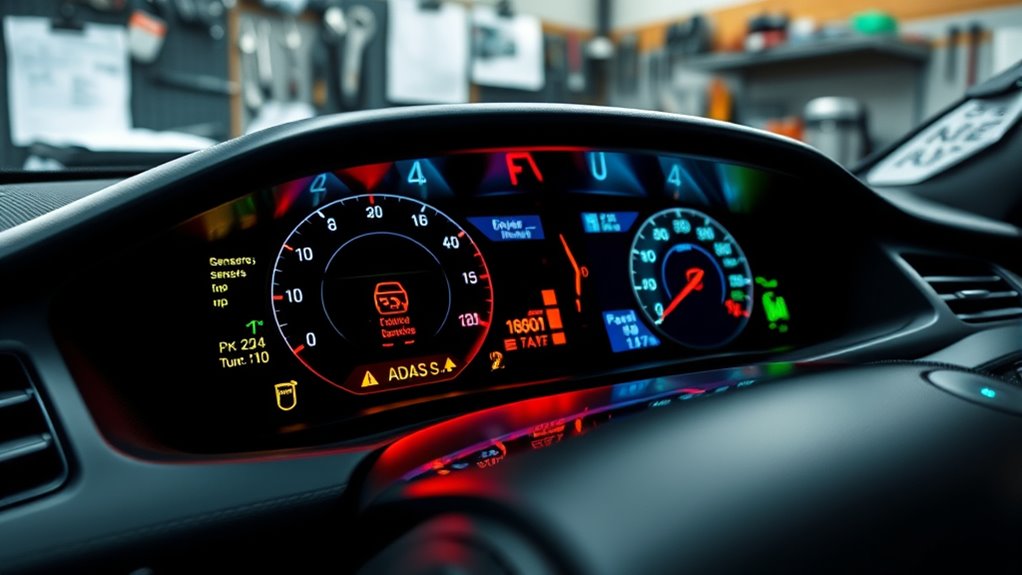
Ever wondered how much new car technology really costs? If you’re considering an autonomous vehicle or already own one, you might be surprised by the potential expenses involved. Autonomous vehicles are packed with sensors, cameras, and sophisticated software designed to keep you safe and make driving more convenient. While these features offer impressive benefits, they also come with higher repair costs. When something goes wrong with the advanced driver-assistance systems (ADAS), repairs can be complex and expensive, often requiring specialized labor and parts. The more technology integrated into your vehicle, the more you’ll need to budget for potential repairs, especially as these systems become more common and necessary for safe operation. Moreover, as these systems become more prevalent, regulations and safety standards are also evolving, impacting repair procedures and costs.
Advanced car tech like autonomous systems increases repair costs and requires specialized maintenance.
Electric vehicle maintenance is another aspect that influences overall car tech costs. Electric vehicles (EVs) tend to have lower maintenance costs compared to traditional gasoline-powered cars because they have fewer moving parts and don’t require oil changes. However, the high-tech components—such as batteries, electric motors, and onboard electronics—can be costly to repair or replace if they fail. Battery replacements, in particular, are a significant expense, though advances in technology are gradually reducing these costs. Still, owning an EV means you should be prepared for the possibility of expensive repairs related to its core systems, which are often more intricate than those in conventional vehicles.
When it comes to insurance, the costs are also shifting due to these advanced features. Insurers view autonomous vehicles and highly automated systems as reducing accident risks, which can lower premiums. However, the cost of insuring these vehicles can still be higher initially because of the expensive technology and the potential for costly repairs. Insurance providers are increasingly factoring in the repair costs of ADAS and the replacement value of high-tech parts when setting rates, so your premiums might be higher than for a standard car. Additionally, if you own an electric vehicle, insurance costs can vary depending on factors like battery replacement costs and the vehicle’s overall safety features.
In essence, while these advanced technologies promise safer and more efficient driving experiences, they come with a price tag. You’ll want to factor in the possibility of costly repairs and higher insurance premiums when deciding whether to invest in a vehicle equipped with the latest in car tech. Being aware of these potential expenses helps you plan better and avoid surprises, ensuring that your investment in cutting-edge automotive technology remains manageable over time.
Frequently Asked Questions
How Do ADAS Features Impact Long-Term Vehicle Depreciation?
ADAS features generally boost your vehicle’s valuation and resale value because they’re seen as desirable safety upgrades. However, if these systems become outdated or faulty, they can negatively impact your vehicle’s worth over time. You should keep ADAS components well-maintained to safeguard your vehicle’s market value. Ultimately, investing in advanced tech helps retain your car’s appeal and ensures better long-term vehicle valuation.
Are There Insurance Discounts for Cars With Advanced Safety Tech?
Did you know that cars with advanced safety technology often qualify for insurance discounts of up to 30%? You can save money over time by choosing vehicles equipped with features like collision avoidance and lane assist. Insurance discounts for safety technology reward your investment in smarter, safer cars, making your driving experience more affordable. Always check with your insurer to see which safety features qualify for discounts and maximize your savings.
What Training Is Required for Technicians to Repair ADAS Systems?
As an ADAS technician, you need specialized training to repair advanced driver-assistance systems. You’ll learn calibration procedures essential for ensuring sensors and cameras function correctly after repairs. This training typically includes manufacturer-specific courses, hands-on workshops, and certification programs. Staying updated on calibration techniques and safety standards is vital, as ADAS systems rely heavily on precise calibration to work effectively and keep drivers safe.
How Often Do ADAS Components Typically Need Calibration?
Think of your ADAS system as a finely tuned orchestra that needs regular tuning to stay harmonious. Usually, sensors require calibration after repairs or system updates, and often every one to two years, depending on driving conditions and vehicle use. Regular sensor calibration guarantees your safety features work flawlessly, maintaining the symphony of safety. Keep up with scheduled calibrations to prevent false alerts and ensure your ADAS remains in perfect tune.
Do Luxury Brands Charge More for ADAS Repairs Than Economy Models?
Yes, luxury brands often charge more for ADAS repairs than economy models. You’ll notice higher luxury pricing for repairs due to advanced technology and specialized parts. These repair premiums reflect the complexity of luxury vehicle systems, requiring skilled technicians and costly calibration procedures. Consequently, maintaining ADAS in luxury cars can be markedly more expensive, so you should budget for these higher repair costs when owning high-end vehicles.
Conclusion
As you navigate the world of advanced driver-assistance systems, remember that while these features may seem like tiny miracles, they come with hefty repair and insurance costs. Think of ADAS as your high-tech superhero—powerful but not invincible. So, stay vigilant, budget wisely, and don’t let these cutting-edge gadgets drain your wallet faster than a race car. Embrace the future, but keep your finances in check—because tech troubles can strike when you least expect it.
Fall Picks
fall essentials
As an affiliate, we earn on qualifying purchases.