Dashboard warning lights are signals that alert you to potential issues with your vehicle’s safety and performance. For example, a brake warning means you should check your brake fluid or pads, while a tire pressure light indicates low or high pressure that needs correction. Ignoring these signals can lead to costly repairs or accidents. To stay safe and keep your vehicle in top shape, it’s important to understand what these lights mean and how to respond properly. Keep going to learn more.

Turn quiet afternoons into listening time
- Thousands of audiobooks, podcasts and originals
- Listen on your phone, tablet or Echo — also offline
- Cancel anytime
Key Takeaways
- Dashboard warning lights alert you to potential vehicle system issues requiring immediate attention.
- Brake warning lights may indicate low brake fluid or worn pads; check and seek professional help if persistent.
- Tire pressure warning lights signal low or high pressure; verify with a gauge and adjust to recommended PSI.
- Do not ignore warning lights; inspect relevant components and consult a mechanic if problems persist.
- Regular maintenance and prompt responses to warning lights enhance safety, vehicle performance, and prevent costly repairs.
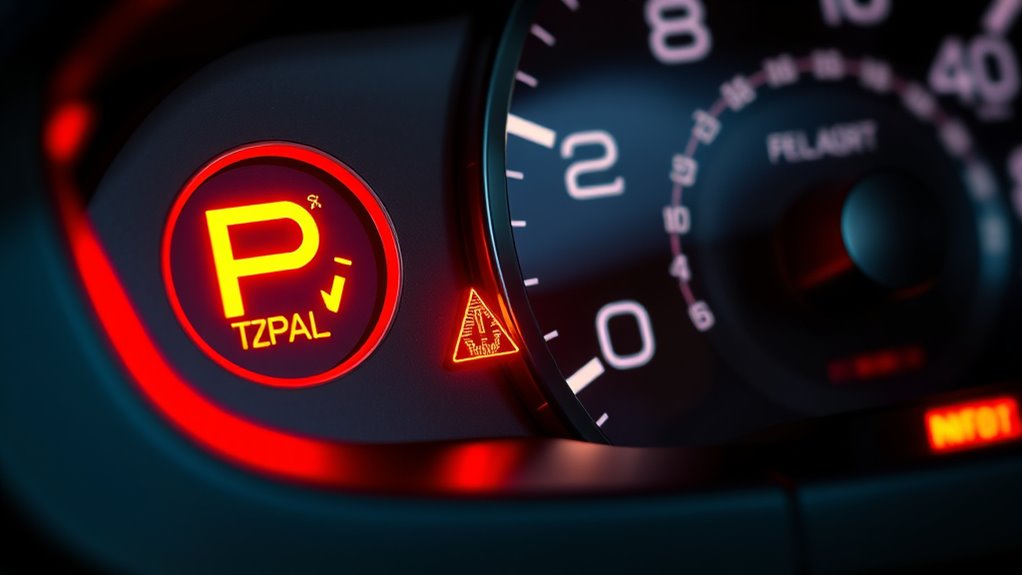
Have you ever wondered what those blinking symbols and lights on your dashboard really mean? You’re driving along, and suddenly, a bright yellow or red light flashes on your dashboard. Instantly, your mind races—what’s wrong with my car? One of the most common warning lights you might see is related to your brake system. If this light comes on, it’s a signal that something’s off with your brakes. It could indicate low brake fluid, worn brake pads, or an issue with the brake system itself. Ignoring this warning can have serious consequences, so it’s vital to address it right away. Check your brake fluid level first—if it’s low, topping it off might solve the issue. But if the light remains on after refilling, or if you notice a spongy brake pedal or unusual noise when braking, it’s best to have a professional inspect your brake system immediately. Your safety depends on it.
Another common warning light relates to tire pressure. You might notice a yellow warning symbol that resembles a flat tire or an exclamation mark inside a tire shape. This indicates that your tire pressure is either too low or too high. Maintaining proper tire pressure is essential for safe driving, fuel efficiency, and tire longevity. When this light appears, it’s time to pull over safely and check each tire with a reliable pressure gauge. If your tires are underinflated, you’ll want to add air to bring them to the manufacturer’s recommended PSI, usually found on a sticker inside your driver’s door. Overinflated tires can also cause uneven wear and poor handling, so adjust the pressure accordingly. Remember, temperature changes can affect tire pressure, so it’s a good idea to check your tires regularly, especially before long trips or in extreme weather conditions. If you find that a tire’s pressure quickly drops again after filling, there might be a leak or a puncture, and you should have it inspected and repaired promptly. Additionally, just as home security systems deter burglars and provide peace of mind, modern vehicles often incorporate advanced safety features that can alert you to issues like low tire pressure or brake problems, enhancing your overall safety.
Paying attention to these warning lights saves you from costly repairs and potential accidents. When a warning light appears, don’t ignore it or assume it will go away on its own. Take a moment to understand what it’s telling you—whether it’s the brake system or tire pressure—and act accordingly. Regular maintenance, like checking tire pressure and inspecting your brake system, can prevent many issues before they become serious problems. Staying proactive keeps you safe and ensures your vehicle performs at its best. Remember, your dashboard is communicating with you—listening and responding can make all the difference.
Frequently Asked Questions
Can Warning Lights Indicate Future Mechanical Failures?
Warning lights can sometimes indicate potential future mechanical failures, especially if you notice consistent warning light patterns over time. They serve as early alerts, helping you practice predictive maintenance by addressing issues before they worsen. By paying attention to these signals and acting promptly, you reduce the risk of breakdowns and costly repairs. Ignoring warning lights, however, can lead to more significant problems down the line, so always take them seriously.
Are All Dashboard Warning Lights Urgent?
Think of dashboard color codes like traffic signals—red demands immediate attention, yellow signals caution, and green means go. Not all warning light symbols are equally urgent; some highlight minor issues, while others indicate serious problems. You should always pay close attention to these lights, especially red ones, as ignoring them can lead to costly repairs or safety risks. When in doubt, consult your vehicle’s manual or seek professional help promptly.
How Often Should I Check My Dashboard Indicators?
You should check your dashboard indicators regularly, ideally during each maintenance routine or when starting your vehicle. This helps you catch warning lights early and customize your dashboard to prioritize important alerts. By staying attentive and inspecting indicators often, you prevent potential issues from worsening, ensuring your car stays in good shape. Consistent checks make it easier to understand your vehicle’s health and respond promptly to any warning signals.
Do Warning Lights Differ Between Vehicle Makes?
You might wonder if warning lights differ between vehicle makes. The answer is yes. Vehicle-specific symbols vary by manufacturer, using unique shapes and icons, while manufacturer color codes—like red for urgent issues and yellow for caution—help you prioritize actions. Always consult your owner’s manual, as symbols and colors can differ, ensuring you understand what each warning means and how to respond promptly for safe driving.
What Should I Do if Multiple Warning Lights Appear Simultaneously?
When multiple warning lights appear at once, stay calm and prioritize safety. Check the dashboard color meanings—red indicates urgent issues, yellow signals caution, and green or blue inform you of system status. Recognize warning light symbols to identify problems quickly. If red or multiple lights come on, pull over safely, consult your vehicle’s manual, and consider roadside assistance. Addressing these signs promptly helps prevent further damage and keeps you safe on the road.
Conclusion
Now that you know what each warning light signals, you’re better prepared to handle surprises on the road. But remember, ignoring these signals can lead to unexpected breakdowns or costly repairs. Stay alert and don’t dismiss even the smallest warning. Your vehicle’s health depends on your awareness. So, next time a light flickers, ask yourself—are you truly in the clear? Sometimes, the smallest signal can reveal the biggest hidden danger.
Fall Picks
fall essentials
As an affiliate, we earn on qualifying purchases.