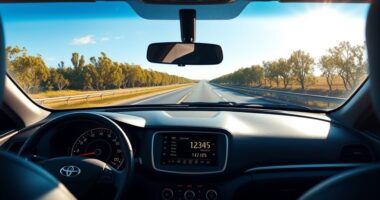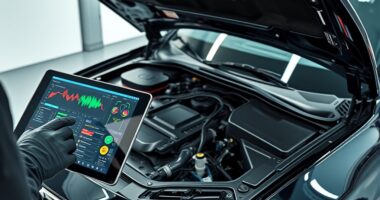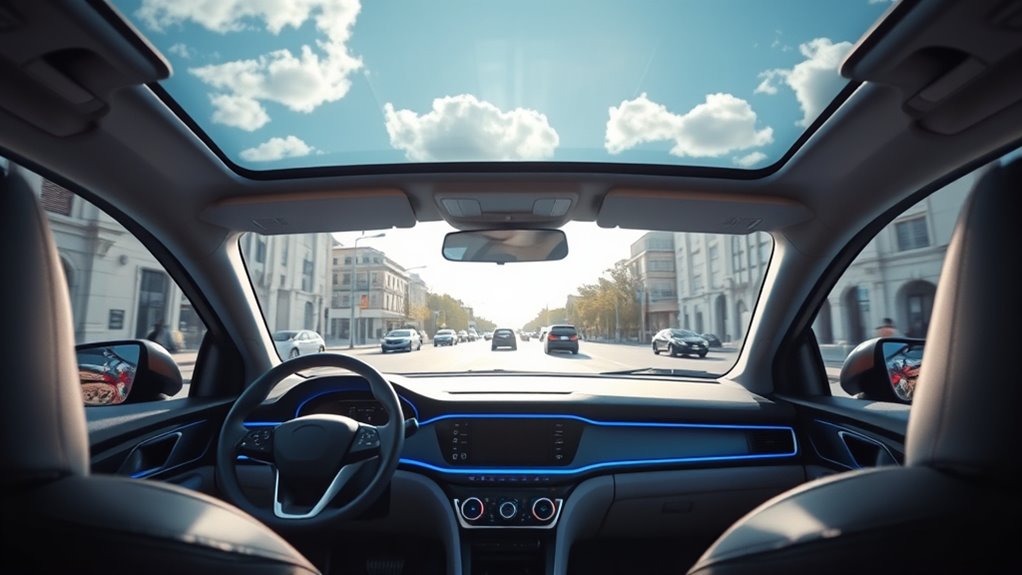

Semi-autonomous cars keep you safe by using advanced sensors like cameras, radar, and lidar to constantly monitor your environment. They detect obstacles, pedestrians, and other vehicles, providing real-time data to help you respond quickly to hazards. Driver training guarantees you’re aware of system limits and when to take control. This partnership of technology and awareness helps prevent accidents and keeps you protected on the road—if you explore further, you’ll discover more about how it all works.

Turn quiet afternoons into listening time
- Thousands of audiobooks, podcasts and originals
- Listen on your phone, tablet or Echo — also offline
- Cancel anytime
Key Takeaways
- Semi-autonomous cars use sensors like cameras, radar, and lidar to monitor surroundings and detect hazards in real-time.
- Advanced driver training emphasizes understanding system limits and maintaining alertness during hands-off driving.
- Sensor technology provides a 360-degree view, helping the vehicle respond quickly to obstacles and hazards.
- Proper driver supervision and readiness to take control are essential for safety when automation encounters limitations.
- Combining sensor data and driver awareness creates a safer partnership that reduces human error and improves hazard response.

Semi-autonomous cars are vehicles equipped with advanced technology that allows them to handle certain driving tasks with minimal human intervention. These cars rely heavily on sensor technology, which includes cameras, radar, and lidar systems, to perceive their surroundings accurately. This sensor data is processed in real-time, enabling the vehicle to detect other vehicles, pedestrians, road signs, and obstacles. Because of this sophisticated sensing capability, semi-autonomous cars can maintain lane position, adapt to traffic flow, and even park themselves in some situations. However, safety isn’t just about the hardware; driver training plays a pivotal role. Understanding how to operate and supervise these vehicles ensures you’re prepared to take control when necessary.
Sensor technology is the backbone of semi-autonomous driving. It continuously scans the environment, providing the vehicle with a detailed picture that guides its decision-making. These sensors work together to create a 360-degree view, alerting the car to potential hazards and helping it respond quickly. For you, this means the vehicle can handle routine tasks, like maintaining a safe following distance or navigating stop-and-go traffic, with little input. Still, it’s important to recognize that sensor limitations exist—bad weather, poor lighting, or sensor obstructions can impair the system’s effectiveness. That’s why driver training emphasizes not just trusting the technology but understanding its capabilities and limits, so you stay alert and ready to take over if needed. Incorporating utilitarian principles into safety protocols can further enhance decision-making processes in semi-autonomous systems.
Sensor technology continuously scans the environment, creating a 360-degree view that guides vehicle decisions and ensures safety.
Training for semi-autonomous cars involves more than just learning how to operate the vehicle’s controls. It requires understanding how the technology interacts with your driving environment. You need to know when to rely on the car’s assistance and when to intervene. Many manufacturers recommend hands-on training sessions to familiarize drivers with system features, such as adaptive cruise control and lane-keeping assist. This knowledge reduces the risk of over-reliance, which can lead to complacency. Proper driver training also involves practicing scenarios where manual control is necessary, such as unexpected road debris or erratic behavior from other drivers. Staying engaged and attentive is essential to ensuring safety while using semi-autonomous features.
Ultimately, the combination of advanced sensor technology and complete driver training makes semi-autonomous cars safer. They assist you in maintaining control, reducing human error, and responding more swiftly to hazards. But it’s important to remember that these vehicles are aids—not replacements. Your understanding of how the technology works and your ability to stay alert are key to making the most of semi-autonomous driving. This partnership between human and machine aims to keep you safe on the road, providing peace of mind and a smoother driving experience.
As an affiliate, we earn on qualifying purchases.
Frequently Asked Questions
How Do Semi-Autonomous Cars Handle Unexpected Road Obstacles?
Semi-autonomous cars handle unexpected road obstacles through advanced obstacle detection systems that quickly identify sudden maneuvers. When an obstacle appears, your car’s sensors alert the system, which then adjusts speed or steers around it. This rapid response helps prevent accidents, giving you a safer driving experience. You can trust the vehicle to react swiftly, ensuring you stay protected even when surprises occur on the road.
What Are the Limitations of Semi-Autonomous Driving Systems?
Imagine a delicate web of sensors, but even the strongest can have weak spots. That’s the main limitation of semi-autonomous systems—you can’t rely solely on sensor reliability, as weather or obstructions can interfere. Additionally, system complexity means that software might struggle with unexpected situations or rare road conditions. You still need to stay alert, as these systems are tools, not perfect replacements for attentive driving.
How Do Drivers Stay Alert During Semi-Autonomous Driving?
To stay alert during semi-autonomous driving, you should avoid driver distraction by keeping your attention on the road and not relying solely on the vehicle’s systems. Use alertness monitoring features if available, which track your focus and prompt you to re-engage when needed. Take regular breaks, and if you feel drowsy or distracted, safely pull over. Staying engaged helps guarantee your safety and the safety of everyone around you.
Are Semi-Autonomous Cars More Prone to Hacking?
You might worry that semi-autonomous cars are more prone to hacking, but advanced cybersecurity measures and vehicle encryption protect them. Manufacturers constantly update software to guard against threats, making breaches less likely. However, the risk isn’t zero—hackers could exploit vulnerabilities. Staying vigilant and ensuring your vehicle’s cybersecurity features are active helps keep you safe, even as technology evolves and potential threats become more sophisticated.
What Maintenance Is Required for Semi-Autonomous Vehicle Sensors?
You need to regularly check and calibrate your semi-autonomous vehicle sensors to guarantee they function properly. Keep in mind that weather impacts sensor performance, so clean sensors after snow, rain, or dirt buildup. Calibrating sensors helps maintain accuracy, especially after any minor collisions or repairs. Staying proactive with sensor maintenance guarantees your car’s safety features work effectively, providing you peace of mind on every journey.
driver training for autonomous vehicles
As an affiliate, we earn on qualifying purchases.
As an affiliate, we earn on qualifying purchases.
Conclusion
As you sit back and trust the wheels beneath you, semi-autonomous cars become your vigilant guardians on the road. They weave through traffic like a skilled dancer, keeping you safe with every careful move. With sensors and AI guiding the way, you’re free to relax, knowing your safety is woven into every mile. It’s a new chapter where technology and confidence collide, turning your drive into a smooth, secure journey—an endless road of peace of mind.
As an affiliate, we earn on qualifying purchases.
As an affiliate, we earn on qualifying purchases.
Fall Picks
fall essentials
As an affiliate, we earn on qualifying purchases.