

To beat the heat during summer, regularly check your tire pressure and inspect for signs of damage or uneven wear. Keep your coolant levels topped off and ensure the radiator and hoses are in good condition to prevent overheating. Use proper fluids and schedule routine maintenance to maintain your car’s cooling system. Additionally, check your air conditioning system and keep an emergency supply of distilled water. Keep these tips in mind to stay cool—continue ahead to learn even more helpful strategies.
Key Takeaways
- Regularly check and maintain tire pressure to prevent blowouts and ensure optimal handling during hot weather.
- Inspect and top off coolant levels, and flush the radiator as recommended to prevent engine overheating.
- Ensure the air conditioning system is working efficiently for comfortable driving in high temperatures.
- Monitor for leaks, corrosion, and wear in cooling system components to avoid breakdowns.
- Conduct routine visual inspections and fluid checks to catch potential issues early before summer heat worsens them.

With summer temperatures soaring, it’s essential to give your car some extra attention to keep it running smoothly. High heat can take a toll on your vehicle, making proper tire maintenance and coolant system care necessary. Start by inspecting your tires regularly. Hot pavement and increased driving can cause tires to wear faster or lose pressure, so check your tire pressure at least once a month and before long trips. Properly inflated tires improve fuel efficiency, handle better, and reduce the risk of blowouts. Look for signs of uneven wear or damage, and rotate your tires as recommended by your vehicle’s manual to guarantee even tread wear. Don’t forget to check the tread depth; shallow treads increase the risk of hydroplaning, especially during summer storms.
Equally important is your coolant system. As temperatures rise, your engine generates more heat, making it critical to keep the cooling system in top shape. Check the coolant level regularly and top it off with the manufacturer-recommended mixture if it’s low. A well-maintained coolant system prevents your engine from overheating, which can cause severe damage and costly repairs. Flushing the radiator and replacing the coolant according to your vehicle’s schedule ensures that the system remains free of rust and debris, maintaining peak cooling performance. Keep an eye out for leaks or corrosion around hoses and the radiator, as these can compromise the system’s effectiveness. Regular maintenance can also help prevent unexpected breakdowns during the hot months.
Beyond these basics, consider inspecting your air conditioning system to stay comfortable during scorching days, and ensure your radiator cap is secure to prevent pressure loss. When topping off fluids, use the correct types as specified in your owner’s manual. It’s also wise to keep a bottle of distilled water in your car for topping off if needed, especially in emergency situations. Remember, heat can accelerate tire wear and strain your coolant system, so proactive maintenance helps you avoid breakdowns and keeps your vehicle dependable.

ETENWOLF T300 Digital Tire Pressure Gauge 200 PSI for Car, RV, Truck, Bikes
- Calibrated for High Accuracy: Manually calibrated to ANSI B40.7 Grade 2A
- Wide Pressure Range: Accurate from 12 PSI to 140 PSI
- Weather-Resistant Performance: Operates in -4°F to 130°F temperatures
As an affiliate, we earn on qualifying purchases.
As an affiliate, we earn on qualifying purchases.
Frequently Asked Questions
How Often Should I Check My Tire Pressure in Summer?
You should check your tire pressure regularly to guarantee safe driving. During summer, it’s best to do a tire pressure maintenance check at least once a month, especially before long trips. Hot weather can cause tire pressure to increase, so a summer tire check helps prevent blowouts and uneven wear. Keep an eye on your tire pressure, and don’t forget to check when tires are cold for the most accurate reading.
Can Summer Heat Affect My Car’S Battery Life?
When it comes to your car’s battery, don’t let the heat catch you off guard. The heat impact can accelerate battery wear and cause it to die sooner than expected. Regular battery maintenance is key—check for corrosion, ensure proper terminals, and test the charge. You wouldn’t want your car to leave you stranded, so stay ahead of the heat’s effects and keep your battery in top shape all summer long.
What’S the Best Way to Prevent Interior Sun Damage?
To prevent interior sun damage, you should focus on UV protection and window tinting. Use UV-protective window films to block harmful rays that can fade and crack your dashboard and seats. Additionally, park your car in shaded areas whenever possible and use sunshades on your windshield. Regularly cleaning and conditioning your interior surfaces also helps maintain their appearance and durability against sun damage.
Are There Specific Fluids I Should Replace for Summer?
Think of your car as a swimmer in a hot pool—if the fluids aren’t fresh, it struggles. You should check and replace coolant levels to prevent overheating and make certain your engine stays cool. Also, don’t forget to top off your windshield washer fluid, especially with summer bugs and dust. Proper fluid maintenance keeps your ride smooth and safe, so stay proactive before the heat catches you off guard.
How Does High Temperature Impact Brake Performance?
High temperatures can critically impact your brake performance by causing brake fade and brake fluid boiling. As it gets hot, your brake fluid can reach its boiling point, leading to a loss of hydraulic pressure. This results in reduced braking power and increased stopping distances. To prevent this, make sure your brake fluid is fresh and at the correct level, and avoid excessive braking on long downhill drives to reduce the risk of brake fade.
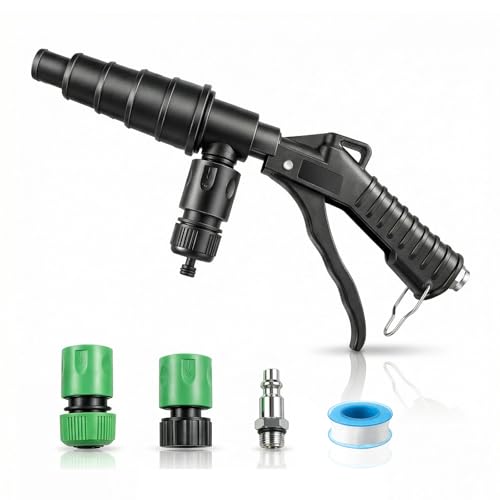
QUFYSK Coolant Flush Gun, Lever Action Heater Core Flush Kit, Coolant Flush Kit for Automotive Coolant Flush, Air and Water Radiator Flush Kit with Nozzles for 19-40mm Hoses
- Complete Flush Kit: Includes gun, adapters, fittings, and sealant
- Efficient Cleaning Power: Combines water and compressed air for thorough cleaning
- Universal Compatibility: Fits various hoses and includes multiple adapters
As an affiliate, we earn on qualifying purchases.
As an affiliate, we earn on qualifying purchases.
Conclusion
By following these summer car care tips, you’ll keep your vehicle running smoothly and avoid heat-related issues. For example, Sarah checked her coolant and tire pressure before a road trip, preventing overheating and breakdowns on a hot day. Take a proactive approach—regular maintenance and quick checks can save you time and money. Stay cool, drive safe, and enjoy your summer adventures without worry!
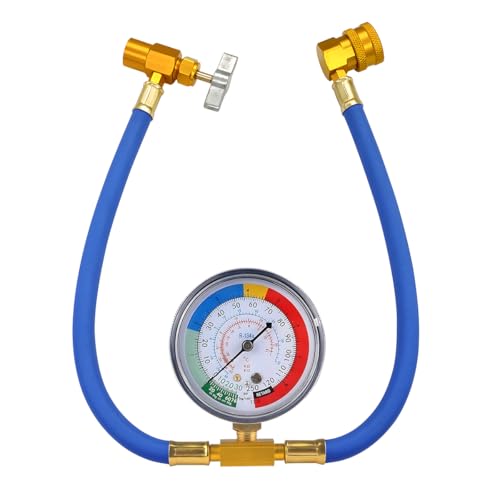
TNAIYH R134A Car AC Refrigerant Charge Hose Kit, Air Conditioning Charge Hose with Gauge & 1/2 Dispensing Valve, Vehicle Refrigerant Recharge Measuring Accessories, Universal Fit
- Material: High-strength aluminum for durability
- Application: Fits R134a, R12, R22 systems
- Length and Size: 15.4-inch hose with 0.51-inch coupler
As an affiliate, we earn on qualifying purchases.
As an affiliate, we earn on qualifying purchases.

Amazon Grocery, Distilled Water, 1 Gallon
- Product Quantity: 1 Gallon of Distilled Water
- Brand Transition: Part of Amazon Grocery Brand
- Quality Assurance: Purified by Steam, Filtered, Ozonated
As an affiliate, we earn on qualifying purchases.
As an affiliate, we earn on qualifying purchases.