
Noninvasive prenatal testing offers you a safe way to learn about your baby’s genetic health early in pregnancy. These tests analyze small amounts of blood from you, detecting signs of conditions like Down syndrome without any risks to the fetus. They provide helpful insights but aren’t definitive diagnoses. Understanding the limits and benefits can guide your decisions, and if you want to explore further, you’ll find useful details on what’s involved.

Turn quiet afternoons into listening time
- Thousands of audiobooks, podcasts and originals
- Listen on your phone, tablet or Echo — also offline
- Cancel anytime
Key Takeaways
- Noninvasive prenatal testing analyzes fetal DNA in the mother’s blood to assess genetic conditions safely.
- It provides early, accurate insights into risks for conditions like Down syndrome without risking the fetus.
- Genetic counseling helps interpret test results and guides further testing decisions.
- These tests evaluate the likelihood of genetic abnormalities but do not provide definitive diagnoses.
- They serve as a useful first step in understanding fetal genetics, with follow-up tests if needed.

Understanding a baby’s genetics can provide valuable insights into their health and development from the very start. When you’re expecting, you might hear about prenatal screening as a way to assess potential genetic conditions or health issues before your baby is born. These screenings are noninvasive tests that analyze small amounts of your blood or other samples to detect signs of genetic abnormalities. They don’t pose risks to the fetus, making them a popular choice for expectant parents who want early information without invasive procedures. By undergoing prenatal screening, you can gain a clearer picture of your baby’s genetic makeup, which can help you prepare for any special needs or concerns that might arise. Additionally, understanding the limits of screening tests is important, as they are designed to assess likelihood of conditions rather than provide definitive diagnoses.
Genetic counseling plays a vital role in this process. When your screening results suggest a possible concern, a genetic counselor can guide you through understanding what these results mean. They act as an expert resource, helping you interpret complex genetic information in simple terms. Whether you’re worried about inherited conditions, chromosomal abnormalities, or other genetic factors, a genetic counselor can explain your options and discuss further testing if needed. This support allows you to make informed decisions and plan accordingly, whether that means seeking additional diagnostic tests or preparing for your baby’s needs.
Genetic counselors help interpret results and guide you through next steps for your baby’s health.
The beauty of noninvasive testing is that it provides early insights with minimal risk. These tests, such as cell-free DNA screening, analyze fetal DNA circulating in your bloodstream, giving accurate information about certain genetic conditions like Down syndrome or trisomy 18. Since the testing involves just a blood draw from the mother, it’s safe for both you and your baby, unlike invasive procedures such as amniocentesis. This ease and safety make prenatal screening an accessible first step in understanding your baby’s genetics.
Products Worth Considering
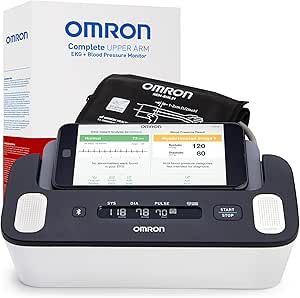
OMRON Complete 2-in-1 Upper Arm Blood Pressure Monitor with EKG

Philips Sonicare 5950 Rechargeable Electric Toothbrush with 2 Brush Heads, Navy

Blueair Blue Pure 211i Max Air Purifier
As an affiliate, we earn on qualifying purchases.
Frequently Asked Questions
Can Noninvasive Tests Detect All Genetic Disorders?
Noninvasive tests can’t detect all genetic disorders because of limitations awareness and test thoroughness. These screenings typically identify common conditions, but rare or complex genetic issues might be missed. You should understand that while these tests provide valuable insights, they’re not exhaustive. Consulting with a healthcare professional can help you interpret results and consider additional testing if needed, ensuring you have a complete understanding of your baby’s genetic health.
How Early Can Noninvasive Testing Be Performed During Pregnancy?
Imagine you’re in a time machine, and you can test early! Noninvasive testing can be performed as early as 10 weeks into your pregnancy, offering you an early detection opportunity. This testing timeline allows you to learn about your baby’s genetic health without risk. If you’re enthusiastic for answers, early testing helps you make informed decisions and plan ahead, all while keeping both you and your baby safe.
Are There Any Risks Associated With Noninvasive Prenatal Testing?
Noninvasive prenatal testing is very safe, but it does have screening limitations. While it’s highly accurate, there’s a chance of false positives, which can lead to unnecessary worry or invasive follow-up tests. It’s important to remember that NIPT isn’t diagnostic. You should discuss your results with your healthcare provider to understand the risks and confirm any concerns with additional testing if needed.
How Accurate Are the Results of Noninvasive Genetic Screening?
You’ll be pleased to know that noninvasive genetic screening has a test accuracy of over 99% for common conditions like Down syndrome. However, it’s important to remember that false positives can occur, meaning a positive result doesn’t always confirm a condition. While highly reliable, these tests aren’t definitive diagnoses, so your healthcare provider may recommend further testing to confirm results and guarantee peace of mind.
What Are the Costs and Insurance Coverage Options for These Tests?
You’ll find that the cost coverage for noninvasive genetic testing varies, often ranging from a few hundred to over a thousand dollars. Insurance options may cover part of the expenses if your doctor recommends the test for medical reasons. It’s best to check with your provider beforehand, as coverage depends on your plan and medical necessity. Some clinics also offer payment plans or financial assistance to ease costs.
Conclusion
Understanding noninvasive genetic testing lets you make informed decisions for your baby’s health. Did you know that over 99% of pregnancies now benefit from such testing? This remarkable advancement reduces risk and provides early insights without invasive procedures. By choosing noninvasive testing, you’re taking a proactive step toward your child’s well-being, ensuring you’re equipped with essential information from the start. It’s a simple, safe way to give your baby the best possible beginning.