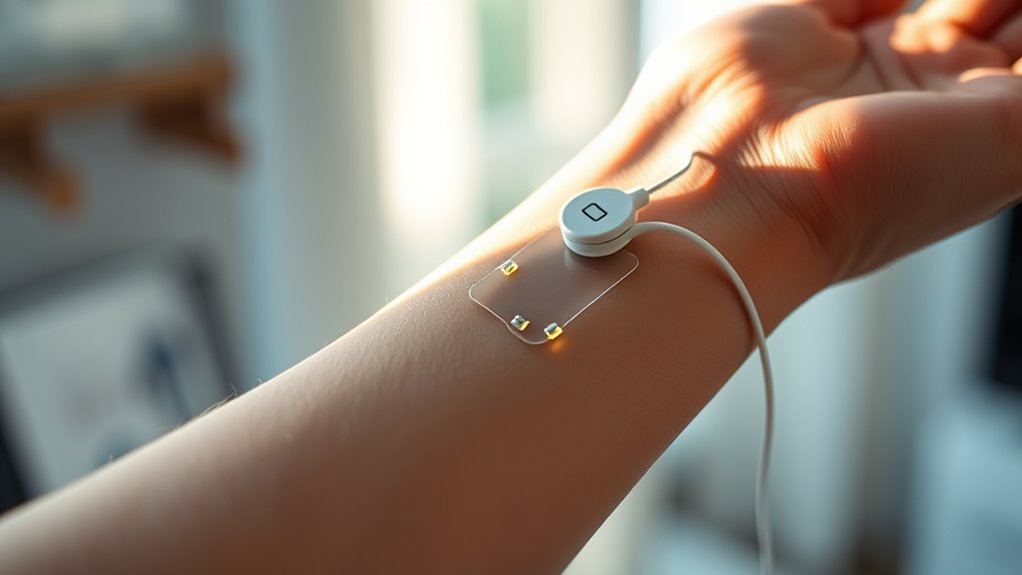

Continuous glucose monitors (CGMs) give you real-time insights into your blood sugar levels, making it easier to optimize your metabolic health. By tracking how food, activity, and stress affect glucose, you can improve insulin sensitivity and develop smarter habits. They empower you to manage carbs more effectively without invasive finger pricks. If you want to explore how this simple device can revolutionize your health, there’s more to discover ahead.

Turn quiet afternoons into listening time
- Thousands of audiobooks, podcasts and originals
- Listen on your phone, tablet or Echo — also offline
- Cancel anytime
Key Takeaways
- CGMs provide real-time glucose data, empowering users to optimize metabolism and improve insulin sensitivity.
- They help identify foods and habits that cause glucose spikes, enabling personalized dietary adjustments.
- Continuous monitoring fosters proactive health management, reducing the risk of insulin resistance and metabolic issues.
- The technology demystifies glucose fluctuations, supporting sustainable lifestyle changes for everyone.
- CGMs are accessible tools for enhancing metabolic health, even without diabetes, promoting long-term well-being.
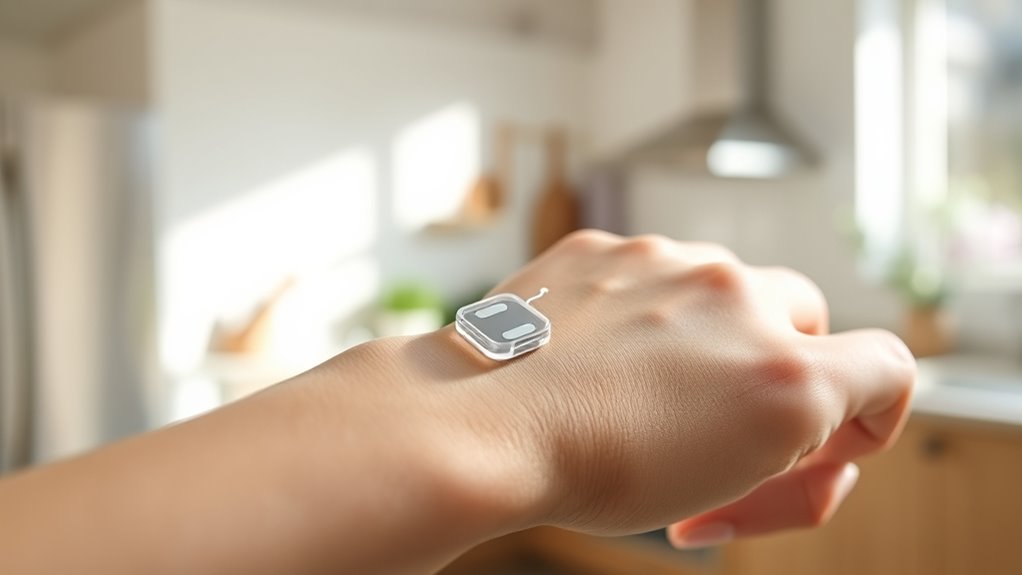
Have you ever wondered how people with diabetes can better manage their blood sugar levels? Continuous glucose monitors (CGMs) are transforming that experience, offering real-time insights into your body’s metabolic processes. Even if you don’t have diabetes, understanding how your glucose fluctuates throughout the day can be a game-changer for optimizing your health. By providing constant feedback, CGMs help you see the immediate impact of your food choices, activity, and stress on your blood sugar, empowering you to make smarter decisions.
Discover how continuous glucose monitors help optimize your health through real-time blood sugar insights.
One of the key benefits of using a CGM is improving insulin sensitivity. When your body responds efficiently to insulin, it can process glucose more effectively, reducing the risk of insulin resistance over time. With continuous data, you can identify patterns that influence your insulin response, such as high-carb meals or lack of physical activity. This awareness allows you to fine-tune your carbohydrate management strategies—adjusting portion sizes, meal timing, or food types—to keep your blood sugar within a healthy range. Instead of guessing or relying solely on traditional methods like finger-prick tests, a CGM provides a dynamic picture of how your body reacts at any moment, making it easier to optimize your metabolic health.
Carbohydrate management becomes more precise with a CGM because you see how different foods affect your glucose levels in real time. For example, if you notice a spike after eating a certain type of bread or sugary snack, you can choose alternatives or modify your intake accordingly. Over time, this feedback loop helps you develop a more intuitive sense of which carbs are more tolerable and how to balance your meals to prevent undesirable fluctuations. This knowledge not only supports better blood sugar control but also contributes to improved insulin sensitivity, as your body learns to respond more effectively to the carbohydrates you consume. Additionally, understanding the chemical reactions involved in glucose metabolism can deepen your appreciation of how your body processes different nutrients.
Using a CGM encourages a proactive approach to health. Instead of waiting for symptoms or relying on infrequent testing, you gain continuous insight into your body’s responses. This real-time data can motivate you to adopt healthier habits, such as increasing physical activity or choosing lower glycemic index foods, which further enhance insulin sensitivity. Ultimately, integrating a CGM into your routine can demystify your body’s metabolic signals, helping you develop sustainable habits that improve your overall health and well-being. Whether you’re managing a medical condition or simply aiming for better health, a continuous glucose monitor offers a powerful tool to understand and optimize your body’s complex glucose dynamics.
continuous glucose monitor for non-diabetics
As an affiliate, we earn on qualifying purchases.
As an affiliate, we earn on qualifying purchases.
Frequently Asked Questions
Are CGMS Suitable for Non-Diabetic Individuals?
Yes, CGMs can be suitable for non-diabetic individuals interested in improving their health. They allow you to track blood sugar levels in real-time, aiding in better diabetes management and metabolic awareness. By monitoring blood sugar fluctuations, you can identify patterns and make lifestyle adjustments to optimize energy and overall wellness. While not necessary for everyone, CGMs provide valuable insights that can support proactive health choices.
How Often Do CGM Sensors Need Replacement?
You should replace your CGM sensor every 10 to 14 days, depending on the device’s sensor lifespan and your specific model. Most sensors are designed for about two weeks of continuous use before needing replacement. Keep an eye on manufacturer guidelines and your device’s alerts, as the replacement frequency may vary slightly. Regular changes ensure accurate readings and ideal device performance.
Can CGMS Help Improve Athletic Performance?
You can definitely use CGMs to boost your athletic performance. Studies show athletes who monitor their blood sugar regularly experience up to 20% faster recovery times. With real-time data, you optimize blood sugar levels, enhancing energy and endurance. This helps you fine-tune nutrition and training, leading to better athletic recovery. So, integrating CGMs into your routine can give you a competitive edge by maintaining peak metabolic health.
What Are the Long-Term Health Effects of CGM Use?
Using a CGM can promote long-term glycemic stability, which may reduce risks of developing chronic health issues like diabetes and cardiovascular disease. While most users experience benefits, prolonged use might lead to skin irritation or sensor fatigue. Overall, consistent monitoring supports better metabolic health, offering potential long-term benefits. However, consult your healthcare provider to confirm it’s suitable for your individual needs and to maximize chronic health benefits.
Are There Privacy Concerns With CGM Data Sharing?
Yes, there are privacy concerns with CGM data sharing. You should be aware of data security risks and guarantee proper consent management when sharing your glucose information. Make sure the device and platform you use have robust security measures in place, and always read the privacy policies. By staying informed and managing your consent carefully, you can protect your personal health data from unauthorized access.
best CGM device for metabolic health
As an affiliate, we earn on qualifying purchases.
As an affiliate, we earn on qualifying purchases.
Conclusion
Think of continuous glucose monitors as your personal compass, guiding you through the complex landscape of your health. They symbolize empowerment, turning data into clarity and control. With this biohack, you’re not just reacting to your body’s signals—you’re understanding its language. Embrace this tool as a beacon, illuminating your path to better wellness. In this journey, you hold the map, and your glucose monitor is the lighthouse guiding you safely forward.
As an affiliate, we earn on qualifying purchases.
As an affiliate, we earn on qualifying purchases.
Fall Picks
fall essentials
As an affiliate, we earn on qualifying purchases.