
TL;DR
Automatic pill dispensers improve medication adherence among seniors by safely organizing doses, providing alerts, and offering remote monitoring. They are increasingly smart, user-friendly, and vital for elder care.
Choose a dispenser with large, clear displays and simple controls for ease of use.
Safety features like locks, alarms, and missed-dose alerts are vital for preventing errors.
Connectivity options enable remote monitoring, giving caregivers peace of mind.
Smart features like voice commands and AI reminders can adapt to user habits, increasing adherence.
Investing in a quality automatic pill dispenser can reduce hospital visits and improve overall health safety.

Turn quiet afternoons into listening time
- Thousands of audiobooks, podcasts and originals
- Listen on your phone, tablet or Echo — also offline
- Cancel anytime
What Makes a Good Automatic Pill Dispenser? Here’s What to Look For
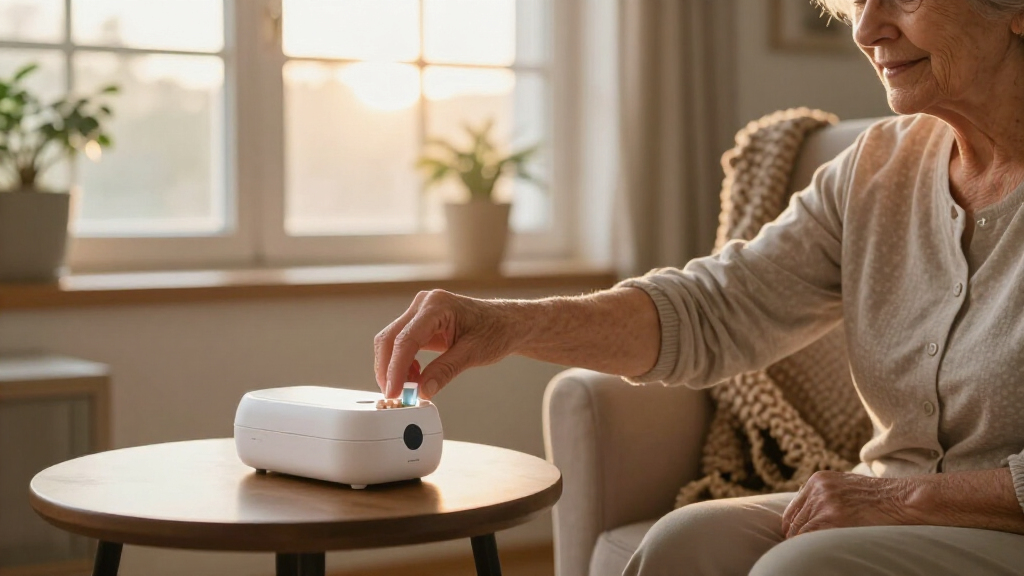
Choosing a reliable pill dispenser starts with understanding its core features. The best models have large, easy-to-read displays that cut through foggy eyesight. Think of a bright, colorful screen that clearly shows the medication schedule—no guessing needed. They also feature simple interfaces—minimal buttons, intuitive setup—that make even the most tech-challenged senior feel confident. Visual and auditory alerts, like flashing lights and gentle beeps, signal when it’s time to take pills, mimicking the comfort of a familiar routine. Portability might matter if your loved one travels or prefers a device they can move easily. Some models sit on countertops, others are small enough to fit in a purse or bag. The goal? Make medication management effortless and stress-free, whether at home or on the go.
Products Worth Considering

Levoit Core 600S-P Smart Air Purifier for Large Rooms

Oura Ring 5 Smart Ring, Silver, Size 7

Blueair Signature SP1i Smart Air Purifier
As an affiliate, we earn on qualifying purchases.
Key Features That Keep Medications Safe and Accurate
Automatic pill dispensers are packed with features to prevent mistakes and enhance safety. Multi-compartment trays hold different medications, each programmed for specific times—morning, noon, evening. The importance of these features lies in their ability to reduce human error, which is a leading cause of medication mishaps. Properly programmed compartments ensure each dose is dispensed at the right time, preventing missed or double doses that could have serious health implications. When medication errors occur, they can lead to adverse reactions, diminished treatment efficacy, or dangerous drug interactions. By automating and accurately timing doses, these devices significantly lower such risks. Advanced models can handle complex schedules, such as multiple doses throughout the day, but this introduces tradeoffs. They may be more complicated to set up or more expensive, which could be a barrier for some users. Locking mechanisms keep pills secure, especially important for cognitive impairment or households with children, but they might also make access slightly less convenient for the user. This balance between security and ease of access must be carefully considered based on the user’s needs. Some dispensers alert caregivers if a dose is missed or tampering is detected, which helps create a safety net. These features are crucial for maintaining consistent medication routines, ultimately reducing health risks associated with errors and non-adherence. This proactive safety approach can prevent potentially dangerous omissions or accidental overdoses, providing peace of mind for both users and caregivers.
How Connectivity Turns Dispensers into Remote Caregivers
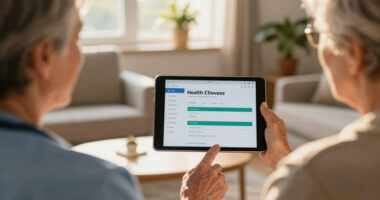
Many modern automatic pill dispensers connect to Wi-Fi or Bluetooth, transforming them from simple devices into active partners in care. This connectivity allows caregivers to monitor adherence remotely via smartphone apps, which can significantly ease the burden of constant in-person checks. The ability to track medication history provides valuable insights for healthcare providers, enabling them to adjust treatments based on real adherence patterns. For instance, if a caregiver notices a pattern of missed doses, they can intervene proactively, potentially preventing health deterioration or hospitalizations. This real-time data can also be used to verify medication compliance during medical visits, improving the accuracy of health assessments. Syncing with electronic health records creates a comprehensive view of the patient’s medication routine, reducing communication gaps and ensuring coordinated care. However, reliance on connectivity also introduces tradeoffs: technical issues or privacy concerns may arise, and some seniors might find the technology intimidating or invasive. It’s important to weigh the benefits of remote monitoring against potential drawbacks—such as data security risks or user discomfort—and ensure that the system is designed to be user-friendly and respectful of privacy. Proper setup and ongoing support are essential to maximize safety and comfort while leveraging these technological advantages.
Latest Trends Making Pill Dispensers Smarter and Safer
Smart technology is revolutionizing pill dispensers, making them more adaptable and safer. IoT (Internet of Things) integration connects these devices directly with healthcare providers, enabling real-time adherence tracking that can alert professionals to potential issues before they escalate. This proactive approach can help prevent missed doses from turning into serious health setbacks. Voice-activated models are gaining popularity, especially for seniors with dexterity or vision challenges. These allow users to dispense pills with simple voice commands, reducing physical barriers and increasing independence. For example, a senior can simply say, “Dispense my morning meds,” and the device responds accordingly, minimizing the need for physical interaction. AI-powered reminders are also evolving; they analyze user habits and predict when doses might be missed, adjusting alerts accordingly. This personalization can significantly improve adherence by fitting into individual routines and addressing forgetfulness more effectively. However, these advanced features often come with tradeoffs, such as increased cost and complexity, which may require additional training or support. Safety features like automatic locking after each dose, double-check mechanisms, and emergency alerts further enhance reliability. These innovations aim to make medication routines safer, more personalized, and easier to manage, but they also require users and caregivers to adapt to new technology, which may be a hurdle for some. Ensuring ease of use and providing adequate training are key to harnessing these smart features’ full potential.
How to Pick the Perfect Dispenser for Your Senior Loved One
- Assess their specific needs: Do they have memory issues, physical dexterity challenges, or complex schedules? Understanding their unique circumstances helps determine which features matter most, such as easy-to-read displays or voice activation. This assessment ensures that the chosen device truly supports their daily routine and minimizes frustration or errors.
- Look for ease of use: Is the display bright and buttons simple? A complicated interface can frustrate users and lead to non-adherence, so prioritize intuitive controls and minimal setup. Devices that are straightforward reduce the likelihood of misuse, ensuring consistent medication intake.
- Check safety features: Does it lock pills away? Does it alert if a dose is missed? These features help prevent accidental overdose and ensure consistency, which are critical for health safety. Proper safety mechanisms can also deter tampering or accidental access by children or visitors, adding an extra layer of security.
- Consider connectivity: Would remote monitoring help caregivers stay informed? While helpful, this feature adds complexity and cost, so weigh whether the added oversight aligns with your loved one’s comfort level. For some, simple alarms suffice; for others, detailed tracking may be essential for peace of mind.
- Set a budget: Prices range from around $50 for basic models to over $300 for advanced systems. Balance cost with needed features to find the best fit without overspending. Remember, investing a bit more upfront can lead to better adherence and fewer health complications down the line.
Comparison Table: Basic vs. Smart Pill Dispensers
| Feature | Basic Dispenser | Smart Dispenser |
|---|---|---|
| Display | Large, simple screen | Color touchscreen with icons |
| Alerts | Sound only | Sound + lights + notifications |
| Connectivity | None | Wi-Fi/Bluetooth |
| Safety Lock | Yes | Yes, with remote lock control |
| Monitoring | Manual check | Remote tracking via app |
| Ideal for | Basic needs, no tech skills | Multiple users, remote caregivers |
What About Cost? Are These Devices Worth It?
Prices vary widely. Basic models start around $50, offering simple scheduled dispensing and alarms. More advanced, connected devices can cost $150 to $350, with features like remote monitoring, voice commands, and data tracking. While the upfront cost may seem high, it’s important to consider the long-term health benefits. Better adherence reduces the likelihood of adverse events, hospitalizations, and emergency care, which can be far more costly over time. Investing in a quality device can also foster independence, reducing the need for constant supervision and enabling seniors to manage their health with confidence. Additionally, some regions or insurance plans may provide subsidies or coverage for these devices—especially if prescribed by a healthcare professional. This can significantly offset initial expenses, making these devices more accessible. Ultimately, weighing the upfront costs against the potential health savings and quality of life improvements helps determine their true value.