
TL;DR

Turn quiet afternoons into listening time
- Thousands of audiobooks, podcasts and originals
- Listen on your phone, tablet or Echo — also offline
- Cancel anytime
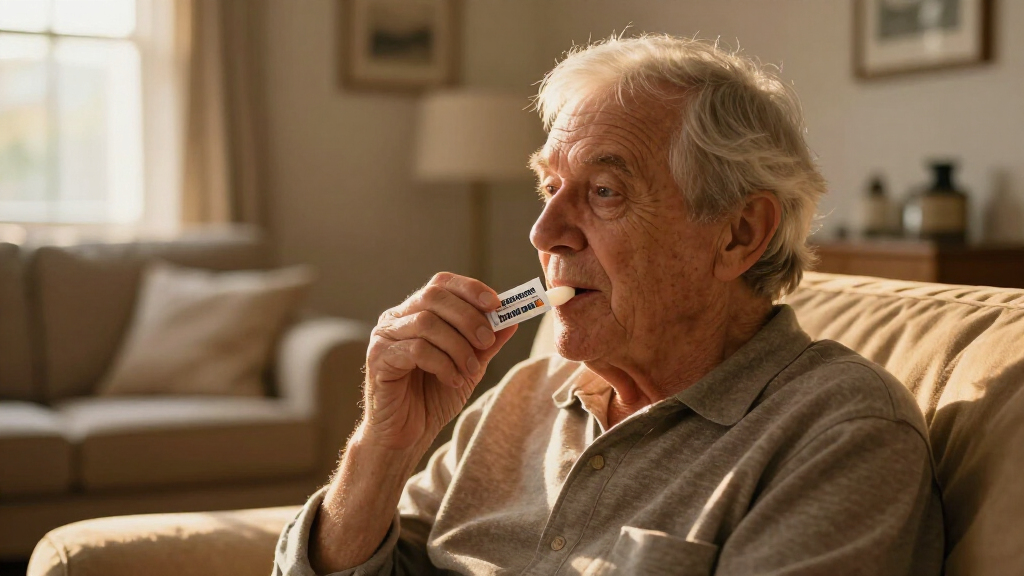
Researchers have created a bioengineered chewing gum designed to fight human papillomavirus (HPV) and other microbes. This innovative approach could provide a new method for infection prevention, pending further testing and approval.
Scientists have developed a bioengineered chewing gum that shows promise in fighting HPV and other microbes, marking a potential new approach to infection prevention. This innovation could offer an accessible, non-invasive method to reduce microbial transmission, especially for sexually transmitted infections like HPV.
The research, conducted by a team at a leading biomedical institute, involves a specially formulated chewing gum infused with bioengineered antimicrobial agents. According to the scientists involved, initial laboratory tests indicate that the gum can effectively inhibit the growth of HPV and several other bacteria and viruses.
While the development is still in experimental stages, the team reports that the bioengineered compounds are designed to target microbial cell structures without harming human tissues. The gum is intended to be used as a preventive measure, potentially reducing the risk of infection during high-risk activities.
Experts emphasize that these findings are preliminary. The research has not yet undergone clinical trials, and regulatory approval processes are still pending. The team plans to proceed with further testing to evaluate safety, efficacy, and optimal usage protocols.
Potential Impact on Infection Prevention Strategies
If successful through further testing and approval, this bioengineered chewing gum could revolutionize how infections like HPV are prevented. It offers an easily accessible, discreet method that could complement existing vaccines and barrier methods, especially in populations with limited access to healthcare services.
Experts suggest that such innovations could reduce the transmission of HPV, which is linked to cervical and other cancers, and help control the spread of other microbial infections. However, the actual public health impact depends on the outcomes of upcoming clinical trials and regulatory assessments.
As an affiliate, we earn on qualifying purchases.
Advances in Microbial-Targeting Bioengineering
The concept of using bioengineered agents in consumer products is gaining traction, with previous research exploring topical and oral applications for antimicrobial purposes. This development builds on prior studies demonstrating that bioengineered compounds can selectively inhibit pathogens without harming human cells.
Historically, HPV prevention has relied heavily on vaccines, which are effective but not universally accessible. The introduction of a microbe-targeting chewing gum could provide an additional tool, especially in settings where vaccination coverage is low or in populations with vaccine hesitancy.
It is important to note that the idea of a microbial-fighting chewing gum is still in experimental stages, with no products yet approved for widespread use.
As an affiliate, we earn on qualifying purchases.
Uncertainties About Safety and Regulatory Approval
It remains uncertain when the bioengineered chewing gum will undergo clinical trials or receive regulatory approval. Key questions about its safety in humans, appropriate dosage, and long-term effects are still being investigated.
Further research is needed to confirm its effectiveness outside laboratory conditions and in diverse populations.
As an affiliate, we earn on qualifying purchases.
Next Steps in Development and Testing
The research team plans to conduct clinical trials to evaluate safety and efficacy in humans. Pending successful results, they will pursue regulatory approval for commercialization.
Additional studies will explore the gum’s effectiveness against a wider range of microbes and its integration into existing infection prevention strategies.
bioengineered antimicrobial chewing gum
As an affiliate, we earn on qualifying purchases.
As an affiliate, we earn on qualifying purchases.
Key Questions
How does the bioengineered gum work against microbes?
The gum contains bioengineered antimicrobial agents designed to target and inhibit the growth of specific microbes like HPV and bacteria, without harming human tissues.
Is this product available for use now?
No, the bioengineered chewing gum is still in research and development stages. It has not yet undergone clinical trials or received regulatory approval.
Could this gum replace vaccines for HPV?
Currently, the gum is not a replacement for vaccines. It is intended as a supplementary preventive tool, pending further research and approval.
What are the potential benefits of this gum?
If proven effective and safe, the gum could offer an accessible, discreet method to reduce microbial transmission, especially in high-risk populations or areas with limited healthcare access.
What challenges remain before this product reaches the market?
Key challenges include confirming safety through clinical trials, demonstrating real-world effectiveness, and obtaining regulatory approval for commercial use.
Source: hn
Fall Picks
fall essentials
As an affiliate, we earn on qualifying purchases.